

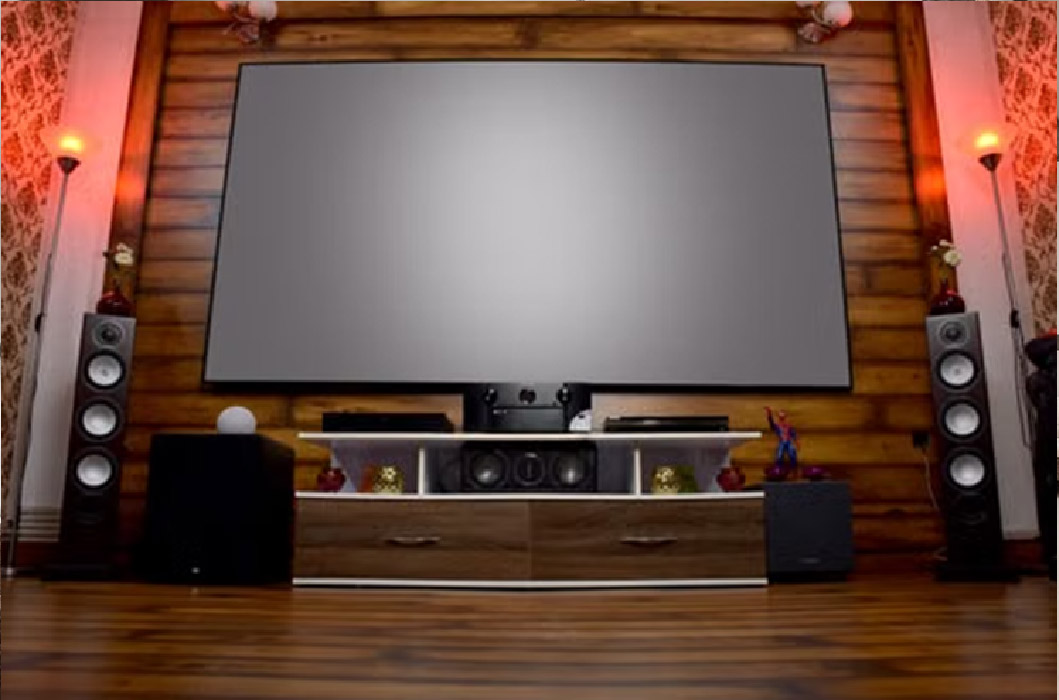
Few technologies have revolutionised the way we experience sound as much as the loudspeaker has. Loudspeakers are ubiquitous in modern life, unravelling the complexities between recorded sound and human experience. These devices, much more than mere conduits for sound, serve as the bridge between artists and audiences, electricians and end-users, with a single purpose: to articulate sound with fidelity, depth, and precision.
The History and Development of Loudspeakers
Loudspeakers have a rich history dating back to the early 20th century. The first electric loudspeaker was invented in 1924 by Chester W. Rice and Edward W. Kellogg. This breakthrough development marked the transition from primitive sound reproduction methods to mechanisms that allowed for greater dynamism in audio output. Early iterations of loudspeakers were rudimentary, but innovations in electromagnetism and materials science rapidly enhanced their performance.
The Anatomy of a Loudspeaker
A typical loudspeaker system consists of several components. The driver is the heart of a loudspeaker, responsible for converting electrical signals into sound. This is typically supported by other integral parts such as the diaphragm, voice coil, and magnet assembly. The enclosure plays a crucial role as well. It is meticulously designed to work in concert with the driver to ensure that sound is directed appropriately, preventing sound waves from cancelling each other out.
Innovations in Loudspeaker Technology
As audio demands have transformed, so too have loudspeakers. Today, high-definition and high-fidelity sound demand sophisticated designs. New materials, such as advanced polymers and metals, provide improved sound clarity and durability. Digital signal processing (DSP) has also dramatically influenced loudspeaker technology, allowing for the fine-tuning of sound output and the correction of audio distortions in real-time.
The Impact of Loudspeakers in Modern Entertainment
In the realm of entertainment, the loudspeaker is indispensable. It lies at the heart of cinema sound systems, enveloping audiences in carefully crafted audio experiences that enhance the visual spectacle. In the realm of music, loudspeakers transform recordings into vibrant live-sounding sessions, fundamentally altering how music is consumed and appreciated. This evolution in sound reproduction has introduced new possibilities for sound designers, composers, and media producers.
Loudspeakers in Personal and Public Spaces
Loudspeakers are not confined solely to entertainment venues. They have become integral to our daily lives, found in everything from smartphones to public announcement systems. In homes, loudspeakers provide background music or deliver audio for home theatre experiences that rival traditional cinema. Public address systems use loudspeakers to ensure clarity and audibility across large spaces such as airports and sports arenas, illustrating their importance in communications technology.
Future Trends in Loudspeaker Design
The future of loudspeaker technology is poised for exciting developments. As our understanding of acoustics grows and as smart functionalities become increasingly mainstream, loudspeakers are expected to integrate more with various technologies. One burgeoning trend is the development of smart speakers which integrate voice assistants and network connectivity. Moreover, advancements in wireless technology continue to liberate loudspeakers from cumbersome connections, allowing for greater flexibility and versatility in placement.
Environmental Considerations
As with many consumer electronics, loudspeakers face scrutiny over their environmental implications. The use of sustainable materials and energy-efficient designs is becoming paramount. Some manufacturers are exploring recyclable components and reduced energy consumption in response to the global push for sustainability.
The Societal Significance of Loudspeakers
While the technical aspects of loudspeakers are noteworthy, their societal impact is equally significant. They have redefined how cultural events are experienced, democratised music listening, and provided platforms for public engagement and discourse. The ability to amplify voice and sound has made these devices powerful tools for education, protest, and mobilisation.
Loudspeakers and the Digital Audio Experience
The integration of loudspeakers with digital technology has also transformed how people consume audio. Wireless connectivity, Bluetooth, streaming platforms, and smart-home systems allow users to access and control audio with greater convenience. Modern loudspeakers can be incorporated into different environments, from compact home setups to sophisticated entertainment systems, giving users greater flexibility in how and where they listen to music, films, podcasts, and other forms of media.
Loudspeakers as Tools for Communication
Beyond entertainment and personal listening, loudspeakers continue to play an important role in communication. Schools, offices, transport hubs, retail spaces, and large public venues rely on clear audio systems to deliver information effectively to groups of people. As technology continues to improve, better sound distribution and wireless capabilities can make public communication more reliable while reducing the complexity of audio installations.
Conclusion
This exploration of loudspeaker technology reveals a device that is as much about cultural influence as it is about technical innovation. As they continue to adapt and evolve, loudspeakers will remain at the forefront of how we experience and interact with sound. Their journey from rudimentary sound transducers to sophisticated audio systems highlights not only advancements in technology but also the perpetual human desire to connect with sound in all its myriad forms.
