

Introduction
A reliable heating and cooling system plays an essential role in maintaining indoor comfort, but its performance depends on several components working together efficiently. Among these components, the air filter is one of the most important because it helps capture dust, pollen, pet dander, lint, and other airborne particles before they can circulate through the home or accumulate inside the equipment. Although air filters are relatively small and inexpensive compared with major HVAC components, neglecting their maintenance can affect airflow, indoor cleanliness, energy consumption, and overall system reliability. Homeowners who understand how filters work and when they need attention can make better decisions about routine maintenance and protect their investment in heating and cooling equipment. A consistent approach to filter care also helps reduce avoidable performance problems and supports a more comfortable indoor environment throughout the year.
Understanding the Purpose of Air Filters
Air filters are designed to capture airborne particles as air moves through an HVAC system. During normal operation, the system draws air through return vents, passes it through the filter, and then circulates conditioned air throughout the property. This process helps prevent some contaminants from entering sensitive equipment components, including the blower assembly and evaporator coil. Without appropriate filtration, dust and debris can gradually accumulate on internal surfaces, potentially reducing efficiency and increasing the need for cleaning or maintenance. The filter therefore serves two important purposes: supporting indoor air cleanliness and helping protect the equipment that keeps the home comfortable.Different filters are manufactured with different materials, thicknesses, and particle-capturing capabilities. Some basic disposable filters are primarily intended to capture larger particles, while more advanced products may collect a greater proportion of smaller airborne contaminants. However, filtration efficiency must be balanced with airflow requirements. A filter that is too restrictive for a particular system can interfere with proper air circulation, especially when it becomes dirty. Homeowners should therefore consider the HVAC manufacturer’s recommendations before choosing a replacement rather than assuming that the most expensive or highest-rated product will always deliver the best results.
Why Regular AC Filter Replacements Matter
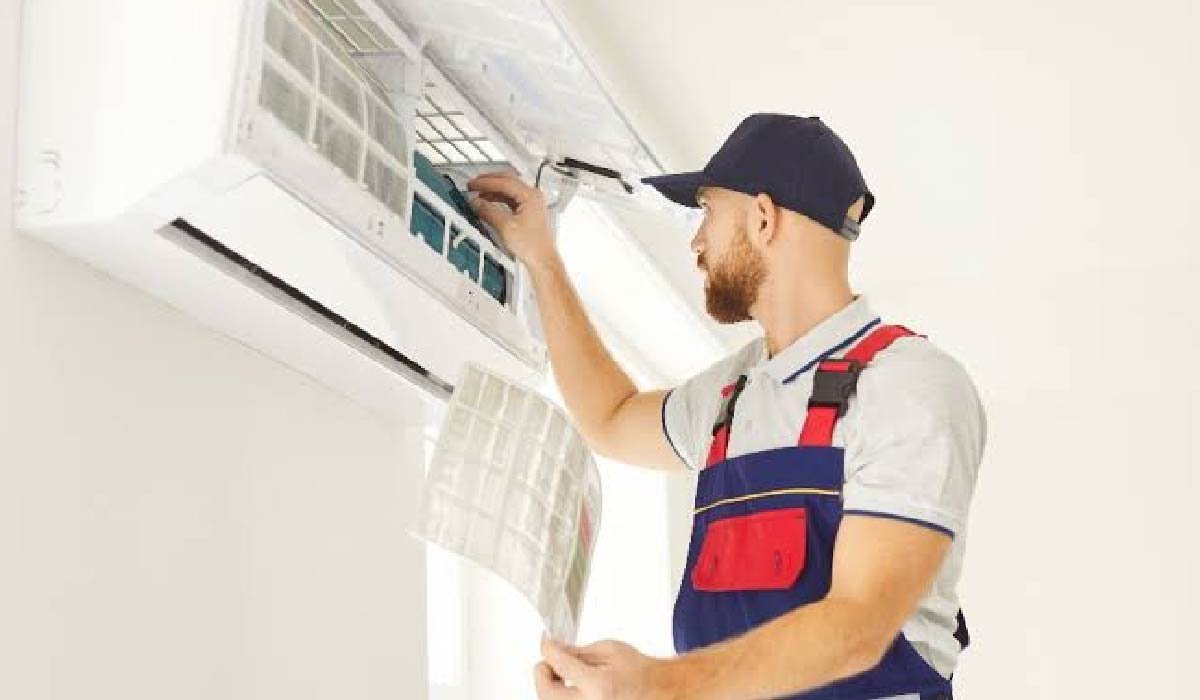
Timely ac filter replacements help maintain the airflow that an air conditioning system needs to operate effectively. As dust and debris accumulate within the filter material, resistance to airflow can increase, making it more difficult for the system to circulate enough air through the equipment. This restriction may contribute to longer cooling cycles, uneven indoor temperatures, and reduced comfort in rooms that already receive limited airflow. Replacing a filter at the appropriate time removes this avoidable restriction and allows the system to operate closer to its intended conditions. Although filter replacement cannot resolve every cooling problem, it is an important maintenance step that homeowners can manage before seeking more complex repairs.Clean filters also help limit the amount of dust entering internal components. When filtration is neglected, particles can collect on surfaces that influence heat transfer and mechanical performance. Over time, this buildup may contribute to additional cleaning requirements and reduce the system’s ability to perform efficiently. A suitable replacement schedule helps prevent excessive filter loading while reducing the likelihood that accumulated debris will interfere with airflow. The best approach is to inspect the filter regularly, follow the equipment manufacturer’s instructions, and replace it when its condition or recommended service interval indicates that attention is needed.
Recognizing the Signs of a Dirty Filter
One of the simplest ways to determine whether an air filter needs attention is to inspect it visually. A filter that contains a heavy layer of dust, lint, or other debris may be approaching the end of its useful service life. However, color alone is not always a reliable indicator because some filter materials naturally appear darker than others, and certain particles may not be easily visible. Homeowners should consider the filter’s overall condition, the manufacturer’s replacement guidance, and the amount of time it has been in service. Regular inspections provide a clearer picture of how quickly the filter collects contaminants under normal household conditions.Changes in system performance may also indicate that the filter should be checked. Weak airflow from supply vents, longer cooling cycles, or increasing dust around furniture may be associated with restricted filtration, although these symptoms can have other causes. A clogged filter may contribute to airflow problems, but blocked vents, dirty coils, ductwork leaks, and mechanical faults can produce similar results. If the system continues to perform poorly after a suitable filter has been installed, professional inspection may be necessary. Identifying the actual cause prevents homeowners from spending money on repeated filter changes when the underlying issue requires a different solution.
Choosing the Correct Filter for Your HVAC System
Selecting the right filter involves more than purchasing a product that appears to fit. The replacement must match the required dimensions and suit the airflow characteristics of the HVAC equipment. Homeowners should check the measurements printed on the existing filter and verify them against the manufacturer’s specifications before buying a new one. A filter that is too small may leave gaps around the edges, allowing unfiltered air to bypass the filtration material. A filter that is too large or too thick may not sit correctly in the designated compartment, potentially affecting installation and performance.Filtration ratings are another important consideration. Higher-efficiency filters can capture smaller particles, but they may also create greater resistance to airflow depending on their design and condition. Not every heating and cooling system is built to accommodate every type of filter, so choosing a product solely because it advertises a high rating can lead to disappointing results. The most appropriate filter is one that provides suitable particle capture while remaining compatible with the equipment. When homeowners are unsure which option to choose, a qualified HVAC technician can review the system specifications and recommend a filter that balances air quality, airflow, and operating requirements.
Supporting Cleaner Indoor Air
Indoor air contains particles from numerous sources, including outdoor air, cooking, cleaning, household fabrics, pets, and everyday movement. An HVAC filter can capture some of these contaminants as air circulates through the system, helping reduce the amount of particulate material that continues moving through the home. The filter’s effectiveness depends on its design, installation, condition, and the type of particles present. Maintaining the filter properly helps preserve its ability to capture contaminants without allowing excessive debris to build up and restrict airflow.It is important to recognize that filtration is only one part of indoor air quality management. Regular cleaning, appropriate ventilation, moisture control, and reducing pollutant sources can also make a meaningful difference. For example, using kitchen exhaust ventilation while cooking can help remove certain pollutants at their source, while controlling indoor moisture can help prevent conditions that encourage mold growth. Homeowners who want improved filtration should choose compatible products and consider professional guidance when evaluating advanced options. No standard air filter can remove every airborne contaminant, but proper filtration combined with sensible household practices can contribute to a cleaner and more comfortable indoor environment.
Improving Cooling Efficiency and Comfort
An air conditioning system depends on adequate airflow to transfer heat effectively and maintain the desired indoor temperature. When a filter becomes heavily loaded with dust, the system may struggle to move sufficient air through its components. This can lead to extended operating cycles and may reduce comfort, particularly during periods of high cooling demand. In some circumstances, severe airflow restrictions can contribute to evaporator coil icing or other performance problems, although these issues may also result from refrigerant, mechanical, or installation faults. Keeping the filter clean helps remove one common and preventable obstacle to normal operation.Consistent airflow also supports more balanced temperatures throughout the home. If the system cannot circulate enough air, certain rooms may feel warmer than others, leading occupants to lower the thermostat in an attempt to improve comfort. That response may cause the system to run longer without correcting the underlying airflow problem. Regular filter inspections are a practical first step when cooling performance changes unexpectedly. Homeowners should also ensure that supply and return vents remain unobstructed by furniture, curtains, or stored items. These basic practices can support more dependable comfort while helping identify when professional maintenance is needed.
Establishing a Practical Replacement Schedule
There is no single replacement interval that works for every filter or household. The correct schedule depends on the filter type, equipment usage, indoor conditions, and manufacturer’s recommendations. Some filters require replacement approximately every month, while others are designed to last several months under suitable conditions. These intervals should be treated as general guidance rather than universal rules. A homeowner who runs the air conditioning system frequently or has multiple pets may need to inspect the filter more often than someone whose equipment operates less frequently in a relatively clean environment.Creating a recurring inspection routine makes maintenance easier to manage. Homeowners can check the filter monthly, record the installation date, and assess whether the filter is collecting debris more quickly than expected. Increased dust from home improvement projects, seasonal pollen, or changes in household occupancy may require adjustments to the normal schedule. Keeping the correct replacement filters available also reduces the likelihood of delaying maintenance because a suitable product is not readily accessible. A consistent routine helps homeowners respond to actual filter conditions instead of relying entirely on memory or waiting for the HVAC system to show signs of reduced performance.
Avoiding Common Filter Maintenance Mistakes
One common mistake is assuming that all filters have the same lifespan. Different materials and designs collect particles at different rates, and household conditions can significantly affect how quickly a filter becomes loaded with debris. Another mistake is installing a filter without checking its direction. Many filters have an airflow arrow printed on the frame, and this arrow should point in the direction specified by the equipment design, generally toward the blower or equipment interior. Installing the filter incorrectly can interfere with its intended operation, so homeowners should follow the markings and instructions provided by the manufacturer.Using the wrong filter size is another preventable problem. Gaps around the filter can allow dust to bypass the filtration material, while an incorrectly fitted product may fail to sit securely in its compartment. Homeowners should also avoid washing disposable filters because water can damage the filter material and reduce its effectiveness. Reusable filters should only be cleaned according to the manufacturer’s instructions and must be completely dry before being reinstalled. Operating a system without its required filter can expose internal components to unnecessary debris, making proper installation and routine inspection important parts of responsible HVAC care.
Protecting Important HVAC Components
Air filters help protect components that are essential to heating and cooling performance. Dust accumulation on blower components and coils can interfere with airflow or heat transfer, potentially contributing to reduced efficiency and additional maintenance needs. Although a clean filter cannot prevent every mechanical problem, it helps reduce the amount of airborne material entering the equipment. This simple maintenance measure is particularly valuable because internal component cleaning may require specialized tools, technical knowledge, and access to areas that homeowners should not attempt to service without appropriate training.Filter maintenance should be combined with periodic professional inspections to support long-term reliability. A qualified technician can evaluate airflow, inspect accessible components, check electrical connections, and investigate unusual operating conditions. If the system develops persistent temperature fluctuations, unusual noises, frequent shutdowns, or poor cooling after the filter has been changed, further diagnosis may be necessary. Addressing these warning signs promptly can help identify developing issues before they cause more significant disruption. A well-maintained system benefits from both routine homeowner care and professional attention to components that require specialized expertise.
When to Seek Professional Assistance
Homeowners can often replace a standard filter without professional help, but some situations require additional support. Filters installed in difficult-to-access locations, systems with unusual configurations, and equipment that continues to show airflow problems may benefit from a technician’s assessment. Professional assistance is particularly useful when the correct filter specification is unclear or when a replacement appears to fit but the system’s performance changes afterward. A technician can verify compatibility, inspect the filter compartment, and determine whether the issue originates from another part of the HVAC system.Professional maintenance also provides an opportunity to assess the overall condition of the equipment. Technicians can identify dirty coils, obstructed drainage, ductwork concerns, and other problems that may affect cooling performance independently of the filter. Homeowners should not assume that changing the filter will resolve every problem or postpone servicing when the system displays persistent warning signs. Combining correct filter care with appropriate professional maintenance provides a more complete strategy for maintaining dependable operation and reducing avoidable equipment stress.
Conclusion
Air filters may be small components, but their condition has an important influence on HVAC airflow, indoor cleanliness, and overall cooling performance. When filters become clogged, the system may have to work harder to circulate air, and restricted airflow can contribute to uneven temperatures and additional maintenance concerns. Homeowners can help prevent these problems by checking filters regularly, following manufacturer recommendations, choosing compatible products, and adjusting replacement schedules to reflect household conditions. Proper filter installation, unobstructed vents, and consistent maintenance habits all contribute to more reliable system operation.
A proactive approach to AC filter replacements helps homeowners protect their equipment while supporting a comfortable indoor environment. Regular filter care should be combined with good cleaning practices, appropriate ventilation, moisture management, and professional HVAC inspections whenever needed. By paying attention to filter conditions and responding to changes in system performance, homeowners can make more informed maintenance decisions and reduce the risk of preventable airflow problems. These simple steps help establish a dependable routine that supports efficient cooling, cleaner equipment, and lasting comfort throughout the year.
