

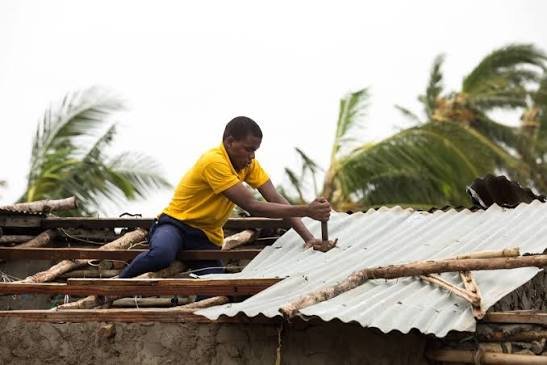
Severe weather can change the condition of a home in a matter of minutes, leaving behind damaged roofing materials, broken exterior components, water intrusion, and unexpected repair expenses. Strong winds, heavy rainfall, hail, and falling branches can compromise the protective systems that keep a property safe, sometimes creating problems that remain hidden until additional damage begins to appear. Even a small opening in a roof can allow moisture to enter the attic, affect insulation, and gradually damage ceilings or wooden structures. For homeowners, recovering from these events requires more than fixing the most visible defects because the entire property must be evaluated to determine whether its protective features are still functioning correctly. A well-organized restoration process begins with identifying the damage, securing vulnerable areas, and arranging suitable repairs before moving toward reconstruction and preventive maintenance. Understanding how professional restoration works helps homeowners protect their investments, manage unexpected challenges, and restore the comfort and security of their living spaces.
Understanding the Impact of Severe Weather on Residential Properties
Storms can affect homes in different ways depending on wind speed, rainfall intensity, hail size, surrounding vegetation, and the condition of the existing building materials. Powerful winds may loosen shingles, damage roof edges, displace flashing, and detach sections of siding, while hail can create impact damage on roofing surfaces, gutters, and other exposed components. Heavy rainfall may enter through damaged roof sections or poorly sealed windows, while falling branches can puncture roofing materials and damage structural elements. These problems can occur together, meaning a property that experiences roof damage may also develop drainage problems, broken exterior fixtures, and interior moisture issues. Because every home has a different construction style and maintenance history, the effects of a storm should be evaluated individually rather than assuming that every property requires the same repairs.One of the most challenging aspects of weather-related damage is that the full extent of the problem may not be visible immediately. Water can travel beneath roofing materials, pass through small openings around flashing, and collect inside concealed spaces before creating visible stains on ceilings or walls. Insulation may absorb moisture, wooden components may begin to deteriorate, and interior finishes may become damaged even after the rain has stopped. Homeowners who focus only on obvious exterior damage may overlook these developing concerns and face additional repair work later. A professional assessment helps identify both visible and concealed damage, establish the urgency of different repairs, and create a practical plan for restoring the property. This careful approach is important because successful recovery depends on correcting the original causes of damage rather than simply improving the home’s appearance.
Why a Thorough Property Inspection Should Come First
A detailed inspection provides the foundation for an effective restoration project because it identifies which parts of the property have been affected and determines what must be addressed first. Roofing professionals can examine shingles, flashing, valleys, roof penetrations, and drainage components to identify damage that may allow water to enter the building. Depending on the circumstances, the assessment may also include siding, gutters, windows, exterior doors, soffits, fascia, and accessible attic spaces. If a storm has caused substantial structural damage, additional evaluation by an appropriately qualified specialist may be necessary before repair or reconstruction begins. Examining these interconnected components helps homeowners understand whether the problem is limited to a small area or involves multiple parts of the building’s protective system.Safety should remain the highest priority throughout the inspection process. Wet roofs, unstable branches, damaged structural components, and exposed electrical equipment can create serious hazards immediately after severe weather. Homeowners should not climb onto damaged roofing materials or enter visibly unstable areas to investigate suspected problems themselves. Instead, they can photograph visible damage from a safe location and contact qualified professionals to conduct a closer assessment. If electrical hazards or structural instability are suspected, the affected area should be avoided until it has been evaluated by the appropriate personnel. A thorough inspection also helps establish a clear record of the property’s condition, making it easier to organize repair priorities, obtain estimates, and communicate with contractors about the work required to restore the home.
Protecting Damaged Roofing Before Conditions Worsen
Roofing systems are particularly vulnerable during storms because they remain exposed to wind pressure, falling debris, heavy precipitation, and sudden temperature changes. Missing shingles, damaged flashing, punctured roof coverings, and loose edges can create openings through which rainwater enters the structure. Once water reaches the underlying layers, it may affect roof decking, insulation, framing, and interior finishes. Even when the initial opening is small, repeated rainfall can enlarge the affected area and make the repair process more complicated. Promptly protecting damaged sections is therefore an important step in reducing additional exposure while permanent repairs are being arranged.Depending on the condition of the roof, temporary protection may involve professionally installed coverings, securing vulnerable openings, or other suitable emergency measures. These solutions should be selected according to the type and severity of damage because an incorrectly secured covering may become hazardous during strong winds. Permanent repairs must then address the underlying defect, whether that involves replacing damaged shingles, correcting flashing, repairing roof decking, or replacing a larger section of the roofing system. Homeowners should request a clear explanation of the recommended work and understand which repairs are temporary and which are intended to provide long-term protection. By prioritizing roof integrity early in the restoration process, property owners can reduce the likelihood of further water intrusion and protect other parts of the building from avoidable damage.
Managing Water Intrusion and Hidden Moisture Problems
Water intrusion can create some of the most complicated restoration challenges because moisture rarely remains confined to the area where it first enters the home. A damaged roof may allow water to travel along wooden framing before reaching a ceiling, while broken window seals or damaged siding can expose wall cavities to repeated moisture. Carpets, insulation, drywall, and wooden flooring may absorb water and require specialized drying or replacement depending on the severity of the damage. If wet materials remain untreated, they may deteriorate and develop conditions that encourage mold growth. These problems can affect indoor comfort, create unpleasant odors, and increase the amount of work required to restore the property.Effective moisture management begins by identifying and correcting the source of water entry. Removing visible water without repairing the damaged roof or exterior opening may allow the same problem to return during the next rainfall. Restoration professionals can assess the affected areas, determine how far moisture has spread, and recommend appropriate extraction, drying, and dehumidification procedures. Some materials may be suitable for drying and restoration, while others may need to be removed when they cannot be safely recovered. Electrical systems that have been exposed to water should be assessed by qualified professionals before the affected areas are used again. Once moisture levels have been appropriately addressed and the original source of intrusion has been corrected, interior repairs can proceed with a lower risk of recurring problems.
Restoring Exterior Features That Protect the Building
A home’s exterior consists of several components that work together to keep moisture away from the structure. Gutters and downspouts direct rainwater away from the roof and foundation, siding protects exterior walls, and flashing helps seal vulnerable transitions around roof intersections and openings. Storms can damage these features by loosening fasteners, cracking materials, displacing sections, or introducing debris that interferes with drainage. Broken windows, damaged doors, and deteriorated exterior seals may also allow wind and rain to enter the building. Although these issues can seem less urgent than major roof damage, they should be evaluated because compromised exterior components may allow water to continue affecting the property after the main roofing repairs have been completed.Restoring these systems requires attention to how the components interact with one another. For example, replacing damaged siding without correcting the flashing behind it may leave a hidden pathway for moisture, while installing new gutters without addressing improper drainage can allow water to continue collecting near the foundation. A coordinated restoration plan considers the condition of each affected component and determines the appropriate order of repairs. Depending on the findings, work may involve replacing damaged siding, repairing fascia and soffits, correcting gutter alignment, restoring window seals, or improving the movement of rainwater away from the property. Addressing these concerns together helps rebuild the home’s protective exterior and reduces the likelihood that one unresolved defect will compromise the benefits of other completed repairs.
Choosing the Right Contractor for Quality Restoration
Selecting a qualified restoration contractor is an important decision because storm-related repairs often involve multiple materials, technical requirements, and stages of work. An experienced professional can help identify the cause of damage, recommend suitable repairs, and coordinate the different tasks needed to restore the property. When comparing contractors, homeowners should consider relevant experience, insurance coverage, applicable licensing requirements, references, written estimates, and warranty terms. They should also ask how the contractor will protect unaffected areas, remove damaged materials, manage debris, and communicate if additional problems are discovered after work begins. These questions help establish realistic expectations and provide a clearer understanding of how the project will be managed.A reliable contractor should explain the proposed restoration plan in understandable terms and provide documentation describing the materials, labor, project scope, and anticipated costs. If concealed damage is discovered during repairs, the contractor should document the findings and explain why the original plan needs to change. Homeowners should be cautious of unrealistic guarantees, unexplained charges, or pressure to sign agreements before the work has been properly assessed. Written contracts and clear communication can reduce misunderstandings and help ensure that the restoration addresses the actual condition of the property. Choosing professionals based on workmanship, relevant experience, and transparency rather than price alone can contribute to more dependable results and reduce the likelihood of recurring repair expenses.
Understanding Insurance Claims and Restoration Costs
The financial side of storm recovery can be challenging because homeowners may need to arrange emergency protection, obtain repair estimates, and communicate with an insurance provider while managing the disruption caused by the damage. Maintaining organized documentation can make these responsibilities easier to handle. Photographs of visible damage, inspection reports, contractor estimates, receipts for emergency expenses, and records of previous maintenance may all be useful when supporting a claim. Homeowners should document the condition of the property from safe locations and keep copies of important communications. These records can help establish what was observed, what repairs were recommended, and how the restoration process progressed.Insurance coverage depends on the individual policy, the circumstances of the damage, applicable exclusions, and any relevant deductibles. Homeowners should review their policy and communicate directly with their insurer to understand the required claim procedures and supporting documentation. They should also ask contractors to explain the proposed costs and distinguish necessary repairs from optional improvements. If additional damage becomes visible after work begins, the findings should be documented and discussed before significant changes are approved. A detailed estimate can help homeowners understand the work involved and plan for expenses that may not be covered by insurance. Keeping the financial and administrative aspects organized allows property owners to focus on restoring their homes while making more informed decisions about repair priorities.
Improving Home Protection After Storm Damage
Once the immediate damage has been repaired, homeowners can use the restoration process as an opportunity to address weaknesses that may have contributed to the property’s vulnerability. Preventive improvements may include replacing deteriorated roofing materials, correcting drainage problems, repairing loose exterior components, and improving the condition of flashing around vulnerable openings. Gutters should be maintained so that rainwater can move away from the building efficiently, while damaged window and door seals should be corrected to reduce moisture intrusion. Trees with hazardous branches near the roof may also require professional attention to reduce the risk of falling limbs during future storms. The most suitable improvements depend on the home’s construction, the type of damage experienced, and the condition of the existing materials.Homeowners should also establish a maintenance routine that includes periodic inspections and additional checks after severe weather. Roof coverings, gutters, siding, exterior seals, and drainage systems should be examined for signs of deterioration before minor problems become more extensive. Keeping records of completed repairs, product specifications, warranties, and inspection findings can help future contractors understand the property’s history and recommend appropriate maintenance. It may also be useful to prepare a household emergency plan, identify safe locations during severe weather, and keep contact information for qualified repair professionals readily available. Although preventive measures cannot eliminate every weather-related risk, they can improve preparedness and help homeowners respond more efficiently when new damage occurs.
Conclusion
Recovering from severe weather requires a thoughtful approach that addresses the entire property rather than focusing exclusively on visible damage. Thorough inspections, temporary protection, professional roofing repairs, effective moisture management, and exterior reconstruction all contribute to restoring a home’s protective systems. Careful contractor selection and organized documentation can further support the recovery process by helping homeowners understand their options, manage expenses, and make informed decisions. Once the immediate repairs are complete, preventive maintenance can help identify developing problems and reduce the risk of similar complications during future storms.Professional storm restoration services can help homeowners evaluate weather-related roofing damage, repair compromised components, and restore the exterior protection their properties need. By addressing both visible defects and underlying problems, homeowners can reduce the likelihood of recurring leaks and protect important structural materials from further deterioration. Combining quality workmanship with regular inspections and sensible preventive measures creates a stronger foundation for long-term property care. With a well-planned restoration process, homeowners can move beyond the immediate disruption of storm damage and work toward a safer, more dependable, and better-maintained living environment.
