

Summer in Folsom brings long stretches of hot, dry weather that test any cooling system. Getting an AC installation right in this climate depends less on choosing a particular brand and more on matching the equipment to the home, local conditions, and the way individual rooms are used. Before scheduling an installation crew, it helps to understand how load calculations are performed, why attic ductwork can significantly affect performance, and which equipment features matter most in a hot, dry region. The goal is steady, quiet cooling that maintains the desired temperature without causing excessive energy use or placing unnecessary strain on components during the hottest afternoons.
-
How Folsom’s Climate and Homes Shape Cooling Needs
Folsom’s intense afternoon sun, low humidity, and hot attics increase the temperature difference a cooling system must overcome and place additional demand on the condenser. West-facing windows can create significant heat gain late in the day, while open floor plans may require conditioned air to travel farther before reaching occupied areas. Wildfire smoke can also increase the need for effective filtration without restricting airflow. Air leakage through older construction can add substantially to the cooling load on extremely hot afternoons, while even small duct leaks in a 130-degree attic can create noticeable capacity losses. For a deeper look at permitting, scheduling, and local installation practices, many homeowners start by reviewing information about AC installation in Folsom and then compare those details with their home’s specific needs.
-
Load Calculations That Prevent Oversizing
Replacing an old three-ton unit with another three-ton system is a common shortcut. Still, it may ignore window upgrades, added insulation, duct modifications, and changes in how rooms are used since the original system was installed. A Manual J load calculation considers square footage, orientation, insulation levels, window U factor and solar heat gain coefficient, shading, air infiltration, and whether ducts are located in the attic or inside conditioned space. Manual S then matches equipment capacity to the calculated load, while Manual D helps determine appropriate duct sizing. Skipping these steps can lead to oversizing, which may cause frequent cycling, increased noise, uneven room temperatures, and unnecessary equipment wear. Undersizing creates different problems because the system may run continuously and still struggle to maintain the desired temperature during periods of extreme heat.
-
Ducts, Returns, and Static Pressure in Hot Attics
Airflow is essential for delivering cooling capacity. Even a well-designed condenser and evaporator coil can struggle if the duct system leaks, is undersized, or operates under excessive static pressure. In older homes, deteriorated tape and unsealed duct connections can let cooled supply air escape into the attic, while return leaks pull hot, dusty attic air into the system. Sealing duct joints with mastic, insulating exposed runs, and correctly sizing trunks and branches can help preserve delivered cooling capacity. Return air deserves particular attention because undersized returns can restrict blower airflow, increase static pressure, and reduce the amount of conditioned air reaching the rooms. Filter selection also matters. Higher MERV filters can improve particle removal during wildfire smoke events, but they may also increase resistance. A deeper pleated filter or an additional return grille may help maintain airflow while improving filtration.
Consider two realistic examples. In a single-story home built during the 1970s with ducts spread across a low attic, repairing duct leaks and adding another return may improve airflow enough to allow a smaller and more efficient system to cool the home evenly. In a newer home with a two-story great room and large west-facing windows, the cooling load may peak late in the afternoon. Carefully positioned supply registers, appropriate diffuser selection, and verified airflow to that area can reduce hot spots without unnecessarily increasing the entire system size.
-
Choosing Between Heat Pumps and Conventional AC for a Hot, Dry Region
Both a conventional air conditioner paired with a furnace and an electric heat pump can handle Folsom’s cooling demands when correctly sized and installed. Important differences often involve compressor staging and controls. Two-stage and variable-speed inverter systems can adjust output to match changing cooling loads, reducing temperature swings, improving efficiency in mild conditions, and lowering operating noise near patios or bedrooms. When comparing efficiency ratings, SEER2 represents seasonal cooling efficiency, while EER2 indicates performance under specific high-temperature conditions. A correctly matched indoor coil and outdoor unit are also essential for proper operation. If you choose a heat pump, confirm that the electrical system can support the equipment, including suitable breaker capacity and an outdoor disconnect. Time-of-use electricity rates may also influence how homeowners use programmable controls or precooling strategies during peak pricing periods.
Placement, Commissioning, and First Week Checks
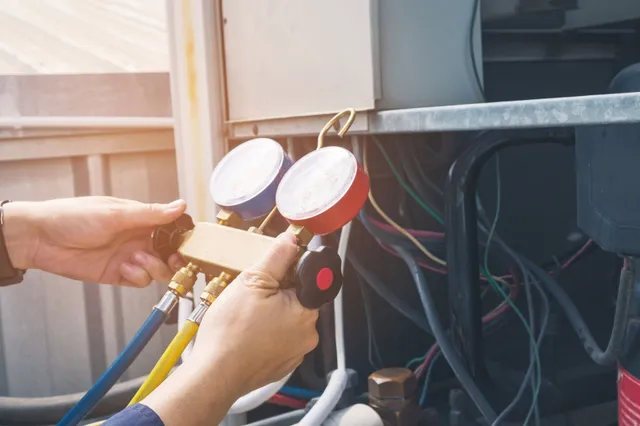
Installation details can affect performance for many years. Place the outdoor condenser on a stable, level pad with adequate clearance around the sides and above the unit. Installing the condenser in a cramped corner or an area with poor airflow can increase operating pressure and reduce cooling performance. Keep the unit away from dryer vents, roof runoff, and areas where debris is likely to accumulate. Refrigerant lines should follow manufacturer requirements, remain as direct as practical, and use insulation rated for outdoor ultraviolet exposure. The condensate drain should include appropriate drainage, access for cleaning, and any required trap. During startup, technicians should verify total external static pressure, adjust blower airflow according to equipment specifications, and confirm refrigerant charge using the method required by the manufacturer, such as superheat or subcooling. Thermostat placement also matters because direct sunlight or nearby supply air can cause inaccurate temperature readings.
During the first week of operation, listen for unusual vibration, confirm that condensate drains properly, and check whether supply air feels reasonably consistent from room to room. If construction or attic work introduced dust into the system, you may need to replace the initial filter sooner than normal. After that, maintain a regular filter schedule, keep leaves and debris away from the outdoor coil, and arrange routine maintenance before the peak cooling season. A properly sized, properly connected, and properly commissioned system is more likely to maintain comfortable temperatures quietly and efficiently during Folsom’s hottest weather.
Thoughtful planning aligns cooling equipment with the home’s actual load, the condition of the attic and duct system, and the demands of Folsom’s hot, dry climate. Start with a proper load calculation rather than guessing equipment size. Fix airflow restrictions before expecting the condenser to compensate, and choose staging and efficiency features that match the home’s cooling needs during intense afternoon heat. Proper placement and careful commissioning then help preserve the performance you paid for. These steps turn AC installation from a rushed replacement into a balanced and durable cooling system that can maintain comfort without unpleasant surprises when temperatures rise.
