

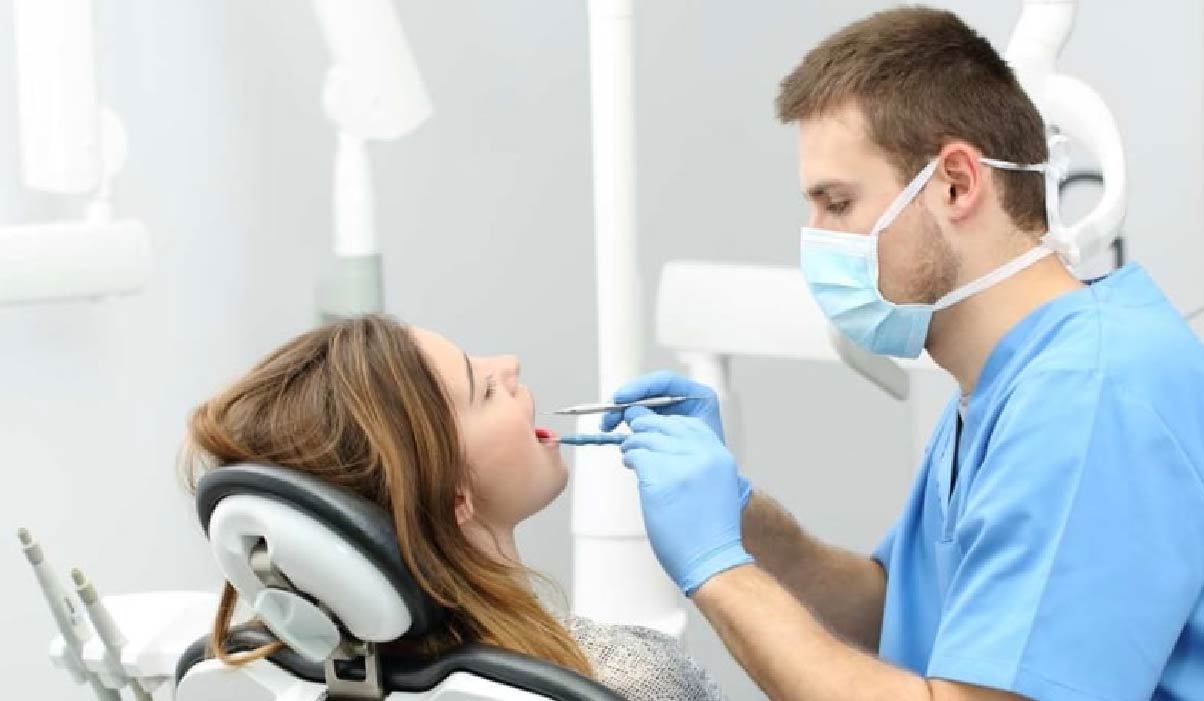
A first appointment at a dental practice is partly about your teeth and partly about establishing a useful record. You may be attending for a routine check-up, a particular concern or a second opinion. In each case, details about your health, symptoms and priorities can help the dental team understand what you need before any decisions are made. The appointment may not follow a rigid script: a new finding, a question you raise or a need for further information can change what happens next. Knowing the likely sequence makes it easier to prepare without assuming that an examination will automatically lead to treatment.
Start with the reason for your visit
When arranging the appointment, describe your main concern in plain language. If you have discomfort, say where it seems to be, when it began and whether it is changing. Mention swelling, a broken tooth or a lost filling rather than simply requesting a check-up. These details may help the practice decide what appointment to offer, although the clinician will need to assess the issue before explaining what it means.
It is also worth saying whether this is your first visit to that practice, whether you have recent dental images or records elsewhere, and whether you have an accessibility or communication need. Ask what to bring and whether there are forms you can complete beforehand. If you are unsure whether a symptom needs prompt attention, contact a dental professional for advice rather than waiting for a routine booking; severe or rapidly worsening symptoms may need urgent assessment.
Bring the context that a chart cannot show
A dental history is more than a list of past procedures. Previous problems, treatments that did not go as expected, jaw discomfort and any anxiety about appointments can all shape the conversation. Be ready to discuss your general health, medicines, allergies and relevant changes since your last dental visit. You do not have to decide which details are important on your own: the clinician can ask follow-up questions, but a current medicines list can be a useful prompt.
For someone settling into a new area, choosing a local Mittagong dentist may also raise a practical records question: can recent X-rays or treatment notes be transferred from the previous practice? Ask how the new practice would like to receive them, and check with the former practice about its process. Records may help provide context, but they do not replace an examination or mean that new images will never be needed.
Write down the concerns you most want addressed. A short note on your phone can be enough: a tooth that catches when you floss, sensitivity you cannot explain, or a question about an earlier recommendation. Putting your priorities in order helps if the available appointment time is limited.
Expect questions before conclusions
At the appointment, the clinician will generally begin by discussing why you came and reviewing relevant history. An examination may then involve looking at your teeth, gums and other areas of the mouth. Depending on the concern, the dentist may discuss whether images or other assessments would be useful. What is appropriate varies by person; do not assume that every first visit includes the same tests or that every concern can be settled immediately.
This is a good point to speak up about anything that affects your comfort or understanding. You can ask what the clinician is checking, tell them if you need a pause, or request an explanation of unfamiliar terms. If you are worried about pain, previous experiences or the cost of possible care, say so before a plan is settled. Those concerns are relevant to the discussion, not distractions from it.
Sometimes an examination identifies an issue different from the one that prompted the booking. At other times, a symptom has several possible explanations and the clinician needs more information before recommending a next step. A useful first appointment can therefore end with a clearer question, not necessarily an immediate procedure.
Discuss the plan, including what remains uncertain
If treatment is proposed, ask what problem it is intended to address and whether there are reasonable alternatives, including what may happen if you wait. The answers depend on the clinical findings and your circumstances. You can also ask which decisions need to be made now and which can wait until you have considered the options. A proposed sequence might change if further assessment reveals something new or if your priorities change.
Before agreeing to a non-urgent procedure, make sure you understand the broad steps, likely follow-up and any material risks the clinician identifies. Ask for an estimate of costs and what it covers; fees and possible health fund benefits are separate questions worth checking directly. If an issue appears urgent, ask why prompt care is recommended and what the immediate options are. The aim is a conversation you can follow, not a promise that every outcome is predictable.
Leave knowing the next step
Before you go, check whether another appointment is needed and what it would be for. If you are being referred, ask what information will be sent and whether you need to arrange the booking yourself. If the plan is to monitor an issue, clarify when it should be reviewed and what changes should prompt you to contact the practice sooner. For any care provided that day, follow the clinician’s individual instructions and ask whom to contact if you have concerns afterwards.
It can help to repeat the plan back in your own words: “We are checking this first, then deciding between these options.” That gives the clinician a chance to correct a misunderstanding while you are still there. A first visit does not need to answer every dental question. It should, however, give you a clearer picture of what is known, what is still uncertain and how the next decision will be made.
