

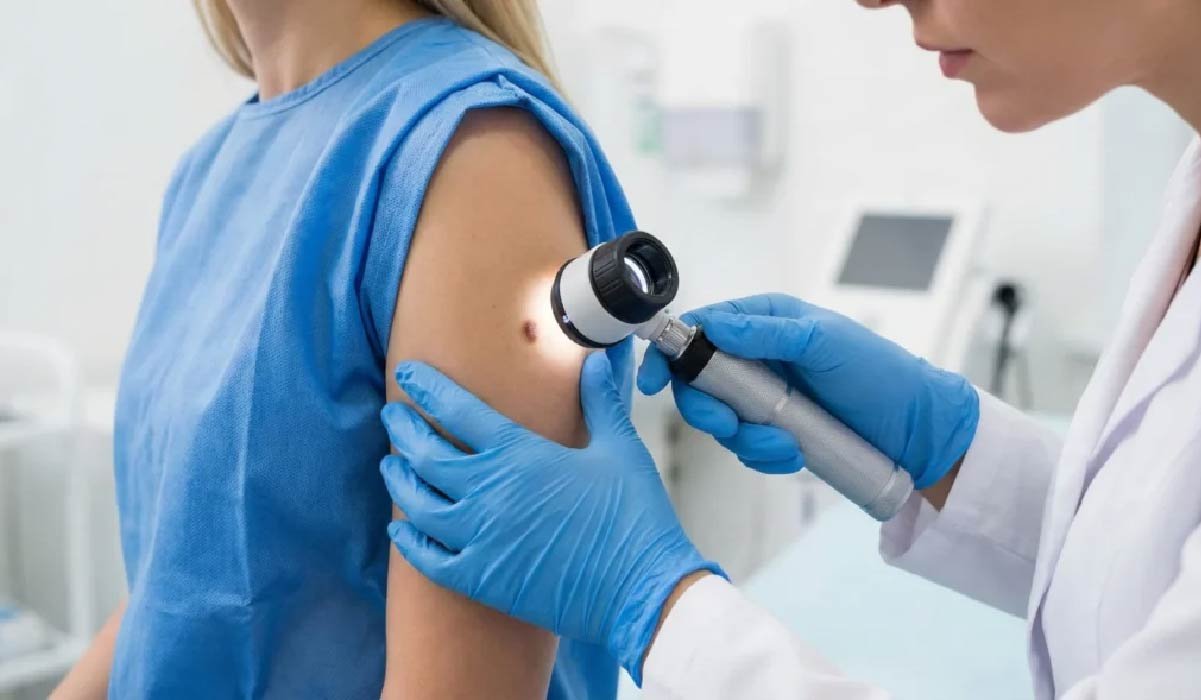
Ten years ago, having a mole looked at often meant a quick glance during a general appointment about something else entirely. Records were usually handwritten, and comparisons relied heavily on memory. Today, a mole check Adelaide residents book tends to look quite different, shaped by new tools, dedicated clinics and a more informed public. Tracing those changes shows how much the experience has evolved in a relatively short time.
From Passing Glance to Dedicated Appointment
In the past, moles were often checked as an add-on. A patient might mention a spot at the end of a visit for a cold or a prescription, and it would receive brief attention.
Now, many people book a specific appointment just for their skin. That shift gives the examination its own time and focus, rather than squeezing it into the final minutes of another consultation.
Technology Has Reshaped the Examination
Digital Dermoscopy
Handheld dermatoscopes have been around for years, but digital versions have become far more common. These devices allow doctors to capture magnified images of individual moles and store them for future comparison.
Full-Body Photography
Some clinics now offer photographic mapping of the entire skin surface. These image sets create a visual baseline, making it easier to spot new marks or subtle changes at later visits.
Emerging Software Tools
Computer-assisted analysis is starting to appear in some settings as a support for doctors. It is generally used alongside human judgement rather than in place of it.
Records That Follow the Patient
One of the quieter changes has been in record keeping. Electronic files mean images and notes from earlier appointments are available instantly, rather than buried in paper folders.
For patients, this continuity is valuable. A doctor can compare a mole against how it looked one, three or five years earlier, which adds useful context to each visit.
The Rise of Skin-Focused Clinics
Across Adelaide and its suburbs, clinics concentrating on skin health have become more visible. Their rooms and processes are designed around examinations, which tends to make visits more structured and predictable.
This growth reflects demand. South Australia’s hot, dry summers and outdoor culture have kept skin health firmly on the public’s radar.
Patients Arrive Better Informed
Smartphones Changed the Conversation
Many people now photograph spots at home and bring those images to appointments. While these photos cannot replace an examination, they can help patients describe when they first noticed a change.
Awareness Has Grown
Public health campaigns and online information have made people more familiar with what to watch for. As a result, patients often arrive with clearer questions and a better understanding of their own skin.
Booking Has Become Simpler
Calling during business hours used to be the main way to secure an appointment. Online booking systems now let people choose times at their convenience, which has made regular checks easier to arrange.
What Has Stayed the Same
Despite all the changes, the core of the process remains a careful look at the skin by a doctor. Technology supports that work but does not replace it. How often someone should return still depends on personal factors such as skin type, history and sun exposure.
Looking Toward the Next Ten Years
The past decade has turned mole checks into a more organised, better-documented part of everyday health care. As tools continue to develop and awareness keeps growing, the process will likely become even more personalised. For Adelaide locals, that means staying on top of skin health is easier now than it has ever been.
