

Artificial intelligence is changing the way people create and share digital content. Tasks that once required professional equipment, advanced editing skills, and hours of manual work can now be completed with the help of AI-powered tools. From generating original artwork to animating digital characters, these technologies are making creative projects more accessible to individuals, businesses, and social media creators.
Among the most interesting developments are lip synchronization, virtual outfit editing, and AI-based image creation. Each technology offers different possibilities, allowing users to explore new ideas and produce engaging visual content with greater flexibility.
Bring Digital Characters to Life with Lip Sync AI
Creating realistic talking videos can be challenging when working with animated characters, photographs, or digital avatars. The lip sync AI helps simplify this process by matching mouth movements to spoken audio. Depending on the tool, users can upload a video or image, provide an audio recording, and let the technology generate synchronized facial movements.
This capability can be useful for educational videos, marketing campaigns, entertainment projects, and online presentations. For example, a content creator can use a digital character to explain a topic without recording themselves on camera. Businesses can also experiment with virtual presenters to communicate information in a more engaging format.
Another advantage is the potential to create content in multiple languages. When supported by suitable audio and editing features, AI-assisted lip synchronization can help adapt presentations for different audiences. However, results depend on the quality of the source material, the clarity of the audio, and the capabilities of the chosen platform.
Creators should also use images and voices responsibly, particularly when generating realistic videos of other people. Obtaining permission and avoiding misleading representations helps maintain trust with viewers.
Experiment with Fashion Using an AI Clothes Changer
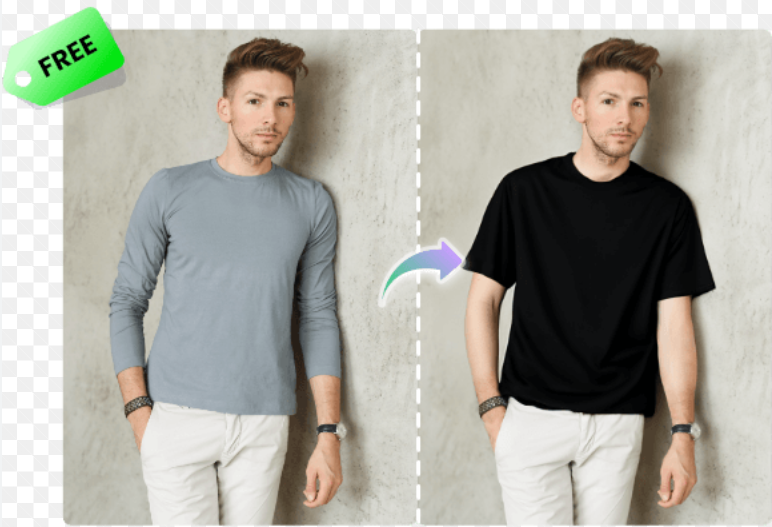
Fashion content frequently involves trying different outfits, comparing styles, and presenting clothing combinations. Traditionally, this process might require several photographs, wardrobe changes, or professional photo editing. An AI clothes changer offers an alternative by allowing users to visualize different garments on a person in an existing image.
Depending on the available features, users may be able to experiment with shirts, dresses, jackets, colors, and other clothing styles without taking new photographs for every variation. This makes the technology useful for fashion enthusiasts, online retailers, designers, and social media creators.
For online stores, virtual outfit previews can help present clothing in different styles and create additional promotional visuals. Designers can also explore potential combinations before arranging a photoshoot. Individual users may find the technology helpful when comparing fashion ideas or planning outfits for particular occasions.
However, AI-generated clothing previews should be treated as visual approximations rather than exact representations of real garments. Fabric texture, fit, sizing, and small design details may not always appear accurately. Retailers should provide genuine product information and avoid presenting altered images in ways that mislead customers.
Create Original Visuals with an AI Image Generator
Visual content plays an important role in websites, advertisements, presentations, and social media campaigns. An AI image generator makes it possible to create images from written descriptions, reference pictures, or other supported inputs. Users can describe a subject, select a preferred style, and generate artwork that matches their creative direction.
These tools can support a wide range of projects, including blog illustrations, product concepts, promotional graphics, character designs, and digital artwork. They can also help creators explore multiple visual ideas before deciding which direction best suits their project.
For small businesses, AI-generated images can provide a convenient starting point for developing campaign concepts. Bloggers can explore illustrations that complement their articles, while designers can use generated visuals during brainstorming and early design stages.
The quality of the final image often depends on the clarity of the instructions. Describing the subject, background, lighting, composition, and artistic style can help produce more relevant results. Users may still need to edit the output to correct visual inconsistencies or meet specific brand requirements.
It is equally important to review the platform’s licensing terms and consider privacy when uploading personal photographs or commercially sensitive material.
Combining AI Tools for Better Creative Results
These technologies become particularly interesting when used together. An AI image generator can help create a character or visual concept, lip sync AI can turn a suitable image or avatar into a talking presentation, and an AI clothes changer can support fashion-related variations.
For example, a fashion creator could develop promotional artwork, explore different outfit concepts, and prepare a talking-avatar video to introduce a collection. Each step can contribute to a more consistent content strategy while reducing the need for repeated manual production.
Nevertheless, human creativity remains essential. Reviewing generated content, refining details, checking accuracy, and ensuring that the final result fits the intended audience can make a significant difference.
Conclusion
AI-powered creative tools are opening new possibilities for digital storytelling, fashion visualization, and image production. Lip sync AI helps animate speech, an AI clothes changer makes outfit experimentation easier, and an AI image generator supports the creation of original visual concepts.
By understanding the strengths and limitations of these technologies, users can incorporate them into their creative workflows more effectively. The best results come from combining AI’s speed and flexibility with thoughtful planning, careful editing, and responsible use.
