

It depends where you read them. In biology, GLP-1 and GLP-2 are real hormones your gut makes, and there is no human GLP-3. On peptide vendor lists, the number counts receptors, so GLP-1 usually means semaglutide, GLP-2 means tirzepatide and GLP-3 means retatrutide.
Here’s how to keep them straight.
What is GLP-1?
A gut hormone first. GLP stands for glucagon-like peptide, and GLP-1 is made by cells in the gut wall after you eat. It tells the pancreas to release insulin when blood sugar is high, slows how fast the stomach empties and acts on the parts of the brain that govern hunger.
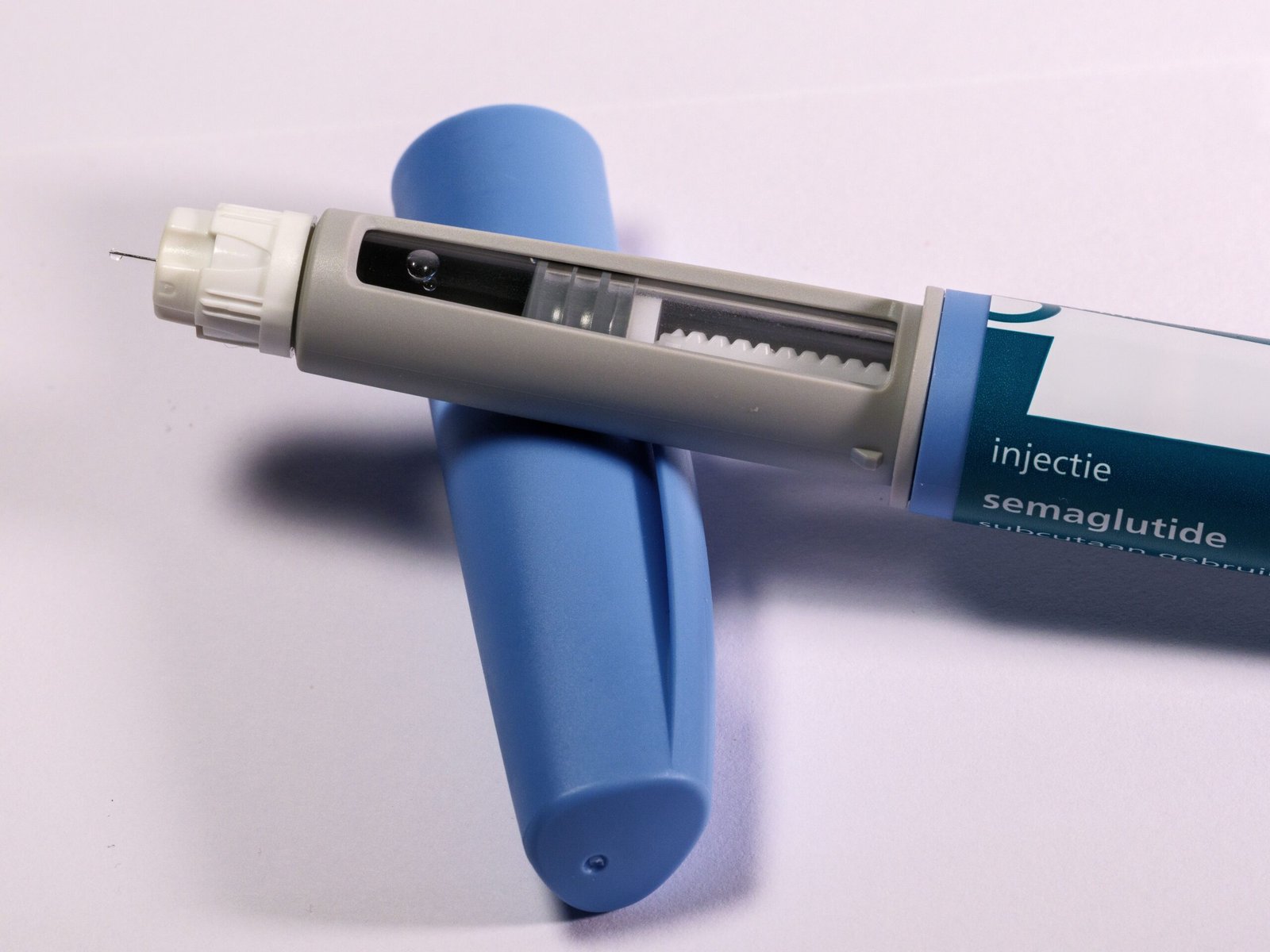
Semaglutide is a modified copy of that hormone. It is 31 amino acids long, with a fatty chain attached that stretches its life in the body to roughly a week, and on a vendor list it carries the GLP-1 label. Here the nickname and the biology point the same way.
That’s the last time they agree.
Is GLP-2 the same as tirzepatide?
On a vendor list, yes. In biology, no.
GLP-2 is a separate hormone of 33 amino acids, made by cells lining the small intestine and colon. It comes from the same parent molecule as GLP-1 and glucagon, has its own receptor and does its own work in the gut. A modified copy of it, teduglutide, is a prescription medicine for short bowel syndrome.
Tirzepatide has nothing to do with any of that. It acts on the GIP and GLP-1 receptors, and the 2 on its vendor label simply counts them. Search for “GLP-2 peptide” and most results describe the intestinal hormone, which is why the nickname misleads.
Is there a GLP-3?
Not in people. The human gene that produces glucagon, GLP-1 and GLP-2 stops there. Biologists have described one in the elephant shark.
On a label, GLP-3 means retatrutide, an experimental Eli Lilly drug that acts on three receptors: GIP, GLP-1 and glucagon. Vendors also write it as GLP-3 RT, RT-3 or simply reta, and a short guide to what ‘reta’ means lists the spellings you’re likely to see.
| Label | In biology | On a vendor list | Receptors counted |
| GLP-1 | Gut hormone | Semaglutide | 1: GLP-1 |
| GLP-2 | Gut hormone with its own receptor | Tirzepatide | 2: GIP and GLP-1 |
| GLP-3 | No human hormone | Retatrutide | 3: GIP, GLP-1 and glucagon |
GLP-1 vs GLP-2 vs GLP-3: do more receptors mean more weight loss?
So far, in separate trials, yes. Semaglutide produced 14.9% average weight loss at 68 weeks in its main 2021 obesity trial. Tirzepatide reached 22.5% at 72 weeks in SURMOUNT-1. Retatrutide’s top dose reached 28.3% over 80 weeks in TRIUMPH-1, which Lilly reported in May 2026.
Each of those trials enrolled different people for a different length of time, so the figures show a direction and stop short of a ranking. A head-to-head trial, TRIUMPH-5, is now comparing retatrutide with tirzepatide directly in about 800 adults over 80 weeks, and it had not reported results as of November 2026. Retatrutide is still investigational, and Lilly plans to file with the FDA in the first quarter of 2027.
How can you tell what a label really means?
Look for the generic name, or better, the CAS number, a registry number assigned to a single molecule, so it stays the same however the vial happens to be labeled. Semaglutide is 910463-68-2, tirzepatide is 2023788-19-2 and retatrutide is 2381089-83-2. A match settles it. For vial codes such as RT-10, a GLP-1, GLP-2 and GLP-3 explainer from Astral decodes the shorthand and separates the slang from the hormones.
FAQs
Is GLP-3 a real hormone?
Not in humans. GLP-3 is a nickname for retatrutide, and the only natural GLP-3 described so far comes from the elephant shark.
What is the difference between GLP-1, GLP-2 and GLP-3?
In biology, GLP-1 and GLP-2 are two separate gut hormones, while on vendor lists the numbers count receptors, so GLP-1 is semaglutide, GLP-2 is tirzepatide and GLP-3 is retatrutide.
Is GLP-2 a weight-loss drug?
The hormone isn’t. On vendor lists, though, GLP-2 usually means tirzepatide, which the FDA approved for chronic weight management in 2023.
Sources
- Müller TD, et al. Glucagon-like peptide 1 (GLP-1). Molecular Metabolism, 2019.
- Irwin DM. Variation in the evolution and sequences of proglucagon and the receptors for proglucagon-derived peptides in mammals. Frontiers in Endocrinology, 2021.
- Wilding JPH, et al. Once-weekly semaglutide in adults with overweight or obesity. New England Journal of Medicine, 2021.
- Jastreboff AM, et al. Tirzepatide once weekly for the treatment of obesity. New England Journal of Medicine, 2022.
- Eli Lilly and Company. Lilly’s triple agonist, retatrutide, delivered powerful weight loss in pivotal Phase 3 obesity trial. Press release, May 21, 2026.
