

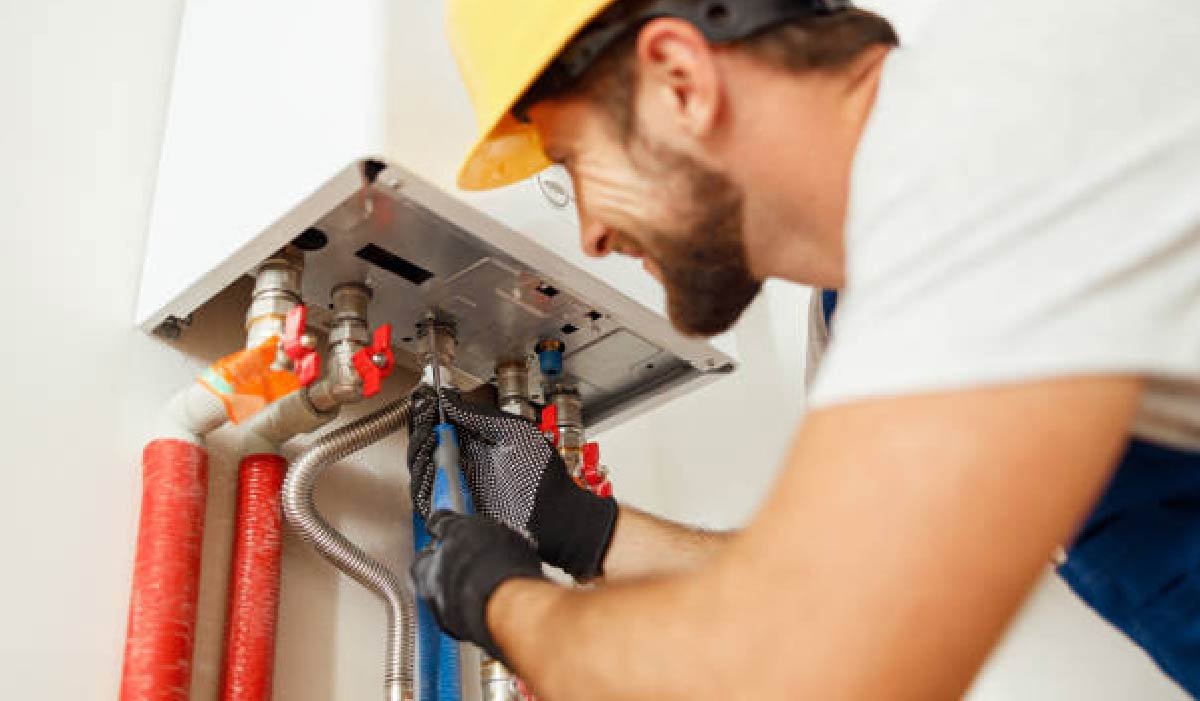
A reliable heating system is essential for maintaining a comfortable indoor environment, particularly during colder months when outdoor temperatures can make living and working spaces uncomfortable. A furnace plays an important role in providing consistent warmth throughout a property while supporting indoor comfort and energy efficiency. However, selecting and installing the right heating equipment requires careful planning, technical knowledge, and professional attention. From evaluating the heating requirements of a building to choosing suitable equipment and ensuring proper ventilation, every stage contributes to the system’s overall performance. Investing in professional furnace installation can help property owners achieve dependable heating, reduce unnecessary energy consumption, and avoid problems associated with incorrect equipment selection or poor workmanship.
Whether someone is installing a heating system in a newly constructed home, replacing outdated equipment, or upgrading an existing heating setup, understanding the installation process is important. Modern furnaces are available in different sizes, fuel types, and efficiency ratings, making it possible to find equipment suitable for various building designs and heating requirements. However, the best system is not necessarily the most expensive or powerful option. It should match the property’s heating demand, existing ductwork, ventilation arrangements, and available energy sources. With proper planning and professional guidance, homeowners can make informed decisions and enjoy reliable heating for many years.
Understanding the Importance of a Properly Installed Furnace
A furnace is a central heating appliance designed to generate heat and distribute warm air throughout a building. Depending on its design, the system may use natural gas, propane, electricity, or another approved energy source. In a typical forced-air heating system, the furnace heats air and a blower moves it through ductwork to different rooms. The cooled air then returns through return-air ducts to be reheated and circulated again.
The performance of a furnace depends on several interconnected components, including the heat exchanger, burner or heating elements, blower motor, thermostat, air filter, and ventilation system. Each component must operate correctly to maintain consistent temperatures and support safe operation. Incorrect installation can interfere with airflow, create uneven heating, increase operating expenses, and contribute to premature equipment failure.
Professional installation helps ensure that the equipment is correctly sized, connected, configured, and tested. Qualified technicians understand how to evaluate the property’s heating requirements and determine whether the existing ductwork and ventilation arrangements are suitable for the new system. They also follow manufacturer specifications and applicable building and safety requirements.
Another important advantage of proper installation is improved energy efficiency. A correctly installed furnace can operate more effectively because its components are configured to work together as intended. This helps reduce unnecessary strain on the equipment and may lower energy consumption over time.
Different Types of Furnaces Available for Residential Properties
Choosing the right furnace begins with understanding the available heating options. Different furnace types have different installation requirements, operating costs, and performance characteristics. The most suitable option depends on the property’s location, energy availability, existing heating infrastructure, and household preferences.
Natural Gas Furnaces
Natural gas furnaces are widely used in areas where a reliable natural gas supply is available. These systems burn natural gas to generate heat, which is transferred to circulating air through a heat exchanger. The blower then distributes the heated air throughout the property.
Modern gas furnaces are available with different efficiency ratings and operating features. High-efficiency models may use secondary heat exchangers to capture additional heat from combustion gases. These systems can reduce fuel consumption compared with older, less efficient models.
However, gas furnaces require appropriate fuel connections, combustion air arrangements, and exhaust venting. Professional installation is essential because incorrect connections or ventilation can create serious safety risks.
Electric Furnaces
Electric furnaces generate heat through electrical resistance elements rather than burning fuel. They are often considered where natural gas or propane is unavailable or where an all-electric heating system is preferred.
One advantage of electric furnaces is that they do not produce combustion gases inside the appliance, so they do not require fuel-burning exhaust venting. Their design can also be relatively straightforward compared with certain combustion-based systems.
However, electricity prices and the building’s heating requirements can influence operating expenses. Property owners should consider local energy costs and the electrical capacity of the building before selecting an electric furnace.
Propane Furnaces
Propane furnaces offer a heating solution for properties without access to natural gas infrastructure. They use stored propane to generate heat and can provide performance similar to many natural gas systems when appropriately designed and installed.
These systems require suitable fuel storage, approved connections, and regular attention to fuel supply arrangements. Installation must comply with applicable safety requirements, particularly regarding storage locations and ventilation.
High-Efficiency Furnaces
High-efficiency furnaces are designed to convert a greater proportion of their fuel into usable heat. Many modern gas models use advanced combustion technology, improved heat exchangers, and variable-speed blower systems to support efficient operation.
Although high-efficiency equipment may have a higher initial purchase and installation cost, it can offer long-term savings under suitable operating conditions. Property owners should compare equipment efficiency, installation requirements, maintenance expenses, and expected heating usage before making a decision.
How to Choose the Correct Furnace Size for Your Property
Selecting the correct furnace size is one of the most important steps in planning a heating system. A furnace that is too small may struggle to maintain comfortable indoor temperatures during colder conditions. On the other hand, an oversized system may heat the building too quickly, cycle on and off frequently, and operate less efficiently than expected.
Professional heating technicians use several factors to determine the appropriate furnace capacity. These include the building’s total floor area, ceiling height, insulation quality, window design, air leakage, local climate, and number of exterior walls. The condition and layout of the existing ductwork are also important because restricted airflow can affect the performance of even correctly sized equipment.
A professional heat-loss calculation provides a more reliable basis for equipment selection than simply estimating capacity according to square footage. In many applications, technicians use recognized load-calculation methods to evaluate the building’s heating requirements.
Property owners should avoid selecting a furnace based exclusively on the size of their previous equipment. Older systems may have been incorrectly sized, and improvements to insulation, windows, or air sealing may have changed the building’s heating demand. A fresh assessment helps ensure that the replacement system is suitable for the property’s current condition.
The Furnace Installation Process Explained
Installing a furnace involves several technical stages that must be completed correctly to ensure dependable heating and safe operation. Although specific procedures vary according to the furnace type and building configuration, most professional installations follow a structured process.
Initial Inspection and Heating Assessment
The installation process begins with evaluating the building’s heating requirements and existing equipment. Technicians inspect the available installation space, ductwork, electrical connections, fuel supply, ventilation arrangements, and thermostat configuration.
They also discuss the property owner’s comfort preferences, heating concerns, and budget. This information helps determine the most appropriate equipment and identify any additional work that may be required before installation begins.
Selecting and Preparing the Equipment
After the assessment, the appropriate furnace is selected according to its heating capacity, efficiency rating, fuel type, dimensions, and compatibility with the existing system.
The installation area must be prepared according to manufacturer instructions and applicable building requirements. Technicians check the required clearances, equipment support, service access, and ventilation arrangements before positioning the new unit.
Connecting Essential System Components
The furnace must be connected to the appropriate heating distribution system and other necessary components. Depending on the equipment, this may involve electrical connections, thermostat wiring, ductwork connections, fuel supply arrangements, condensate drainage, and exhaust venting.
These connections are technical and safety-sensitive. Fuel lines, electrical components, combustion systems, and venting arrangements should be handled and tested by appropriately qualified professionals. Property owners should never attempt to modify gas connections or combustion equipment without the necessary training and authorization.
System Testing and Calibration
Once the equipment has been installed, technicians perform operational checks to confirm that the system functions correctly. Testing may include checking airflow, thermostat response, electrical operation, combustion performance, venting, and safety controls, depending on the furnace type.
For gas furnaces, appropriate combustion and safety testing are particularly important. The technician should verify that exhaust gases are properly vented and that the appliance operates according to manufacturer specifications.
Final Inspection and Customer Guidance
Before completing the project, the installation team should confirm that the equipment is operating correctly and that the surrounding area is clean and accessible. Property owners should receive information about thermostat operation, filter replacement, maintenance requirements, warranty coverage, and recommended inspection schedules.
A proper handover helps homeowners understand their new equipment and maintain its performance over time.
The Importance of Professional Furnace Installation
Although purchasing a modern furnace may seem like the most significant part of a heating upgrade, installation quality has an equally important influence on the system’s performance. Even advanced equipment can experience operational problems when it is installed incorrectly or connected to unsuitable ductwork and ventilation systems.
Professional technicians understand how different heating systems operate and how their components should be configured. They can identify potential issues before installation, recommend suitable equipment, and ensure that important connections meet the manufacturer’s requirements.
Correct installation also supports consistent airflow throughout the building. Poor duct connections, incorrect blower settings, and inadequate return-air arrangements can cause uneven heating and unnecessary equipment strain. Experienced professionals evaluate these factors to help create a balanced heating system.
Safety is another major reason to hire qualified specialists. Gas furnaces involve combustion, fuel connections, and exhaust gases, while electric models require suitable electrical circuits and protective devices. Incorrect work can create hazards that are not always immediately visible. Professional installation and appropriate testing help reduce these risks.
Understanding Furnace Efficiency Ratings and Energy Savings
Energy efficiency is an important consideration when selecting new heating equipment. A furnace’s efficiency rating indicates how effectively it converts its energy source into usable heat. For gas furnaces, one commonly used measurement is Annual Fuel Utilization Efficiency, or AFUE.
AFUE is expressed as a percentage. For example, a furnace with a 95 percent AFUE rating converts approximately 95 percent of its annual fuel consumption into useful heat under the rating conditions, while the remaining portion is lost through the system’s operation.
Higher-efficiency furnaces may help reduce fuel consumption, particularly in buildings with substantial heating requirements. However, the actual savings depend on several factors, including fuel prices, operating hours, climate, insulation, thermostat settings, and equipment maintenance.
Variable-speed blower motors and modulating heating technology can further improve comfort and efficiency in suitable systems. These features allow equipment to adjust its operation according to heating demand rather than relying exclusively on repeated full-capacity cycles.
Property owners should compare the initial equipment cost with expected operating expenses. A more expensive furnace may offer better long-term value when its efficiency improvements are meaningful for the building’s actual heating usage.
Recognizing Signs That Your Existing Furnace Needs Replacement
Older heating systems may gradually lose efficiency and become less reliable. Recognizing warning signs early can help property owners determine whether repairs are sufficient or whether replacing the equipment would be a more practical long-term decision.
One common warning sign is inconsistent heating. If certain rooms remain cold while others become excessively warm, the problem may involve the furnace, ductwork, airflow, insulation, or thermostat. A professional inspection can help identify the actual cause.
Unusual noises can also indicate mechanical problems. Banging, rattling, squealing, or persistent humming may suggest loose components, blower problems, or other equipment issues. These sounds should be investigated rather than ignored.
Increasing energy bills may indicate declining equipment performance, although changes in energy prices and usage can also contribute. Frequent repairs, difficulty maintaining comfortable temperatures, and an aging heat exchanger are additional reasons to arrange a professional assessment.
For gas furnaces, unusual combustion odors, soot, repeated safety shutdowns, or suspected exhaust problems require immediate attention. A carbon monoxide alarm or suspected carbon monoxide exposure should be treated as an emergency. Occupants should leave the building, contact emergency services or the appropriate utility provider, and avoid re-entering until the property is declared safe.
Improving Indoor Comfort Through Proper Ductwork and Ventilation
A furnace cannot provide effective heating without a suitable air distribution system. Ductwork carries heated air from the equipment to different rooms and returns cooler air to the furnace for reheating. If the ducts are poorly designed, damaged, or inadequately insulated, the system may struggle to distribute heat evenly.
Leaking ducts can allow heated air to escape into unconditioned spaces such as attics, crawl spaces, and utility areas. This reduces system efficiency and may create uncomfortable temperature differences between rooms. Properly sealed connections help maintain airflow and improve heating performance.
Duct sizing is also important. Undersized ducts can restrict airflow and increase pressure within the system, while poorly configured oversized ducts may affect air distribution. Professional assessment helps determine whether the existing ductwork is compatible with the replacement furnace.
Ventilation should also be considered, particularly in buildings with fuel-burning appliances. Combustion equipment requires appropriate air arrangements and safe exhaust venting. These requirements must follow the furnace manufacturer’s instructions and applicable building regulations.
Regular duct inspections, suitable filtration, and appropriate airflow settings can help maintain indoor comfort while supporting reliable furnace operation.
Essential Furnace Maintenance for Long-Term Performance
Regular maintenance helps preserve the efficiency, reliability, and safety of a heating system. Even newly installed equipment requires routine attention because dust, restricted airflow, mechanical wear, and other operating conditions can gradually affect performance.
Air filters should be checked regularly and replaced or cleaned according to the manufacturer’s instructions. A dirty filter restricts airflow and can place additional strain on the blower motor. The replacement frequency depends on the filter type, household conditions, pets, and system usage.
Professional inspections should include an evaluation of the furnace’s major components, electrical connections, safety controls, blower assembly, and ventilation arrangements. For combustion-based equipment, appropriate inspection of the heat exchanger, burner operation, and exhaust system is particularly important.
The thermostat should also be checked to confirm that it responds accurately and maintains the desired temperature. If the heating system operates irregularly, a technician may need to inspect its controls or other components.
Keeping the area around the furnace clean and accessible is another useful maintenance practice. Storage materials should not obstruct service access or required clearances, and ventilation openings should remain unobstructed.
Scheduling professional maintenance before the main heating season can help identify problems before the equipment is required to operate regularly.
Understanding Furnace Installation Costs and Budget Planning
The cost of installing a furnace varies according to equipment type, heating capacity, efficiency rating, installation complexity, and existing system conditions. A straightforward replacement may involve fewer expenses than installing a completely new heating system in a building without existing ductwork or suitable utility connections.
Equipment price is one part of the total investment. Labor, transportation, electrical modifications, ductwork repairs, ventilation improvements, thermostat upgrades, and disposal of old equipment may also affect the final cost.
High-efficiency models may require additional installation considerations, such as compatible venting and condensate drainage. These requirements should be included in the initial estimate so that property owners have a realistic understanding of the overall investment.
Obtaining written quotations from multiple qualified professionals can help compare equipment specifications, installation services, warranties, and labor charges. However, the cheapest quotation is not necessarily the best choice if it excludes important safety checks or required modifications.
A sensible budget should consider both the initial installation cost and the expected operating expenses over the equipment’s lifespan. Investing in correctly sized equipment and professional workmanship can help reduce avoidable repair and energy costs.
How to Choose the Right Furnace Installation Professional
Selecting a qualified installation professional is essential for achieving a dependable heating system. Property owners should evaluate the technician’s experience, relevant certifications, insurance, customer feedback, and familiarity with the selected furnace type.
A reputable service provider should begin with an assessment of the property rather than recommending equipment without understanding its heating requirements. They should explain the proposed furnace size, efficiency rating, installation requirements, and any modifications needed to the existing system.
Written estimates should clearly describe the equipment model, labor charges, included materials, ventilation requirements, electrical work, and testing procedures. Property owners should also ask about manufacturer warranties, workmanship guarantees, maintenance services, and emergency support.
Communication is equally important. A professional installer should explain technical matters clearly, answer questions, and provide realistic expectations about installation time and system performance.
Before signing an agreement, homeowners should confirm that the installation will follow manufacturer instructions and applicable safety regulations. Proper documentation and a detailed handover are also important for future maintenance and warranty support.
Conclusion
A properly installed furnace is essential for maintaining comfortable indoor temperatures, supporting energy efficiency, and providing reliable heating throughout colder periods. From choosing the correct equipment and evaluating heating requirements to ensuring suitable ductwork, ventilation, and safety controls, every stage of the installation process requires careful attention. Selecting an appropriate system is only the beginning; professional installation and regular maintenance are equally important for achieving long-term performance.
Working with an experienced furnace installation professional can help property owners make informed equipment choices, avoid common installation problems, and ensure that essential components operate according to manufacturer specifications. Rather than focusing exclusively on the initial purchase price, homeowners should consider heating capacity, energy efficiency, safety, maintenance requirements, and overall operating costs. With proper planning, qualified installation, and consistent servicing, a furnace can provide dependable warmth and lasting value for years to come.
