

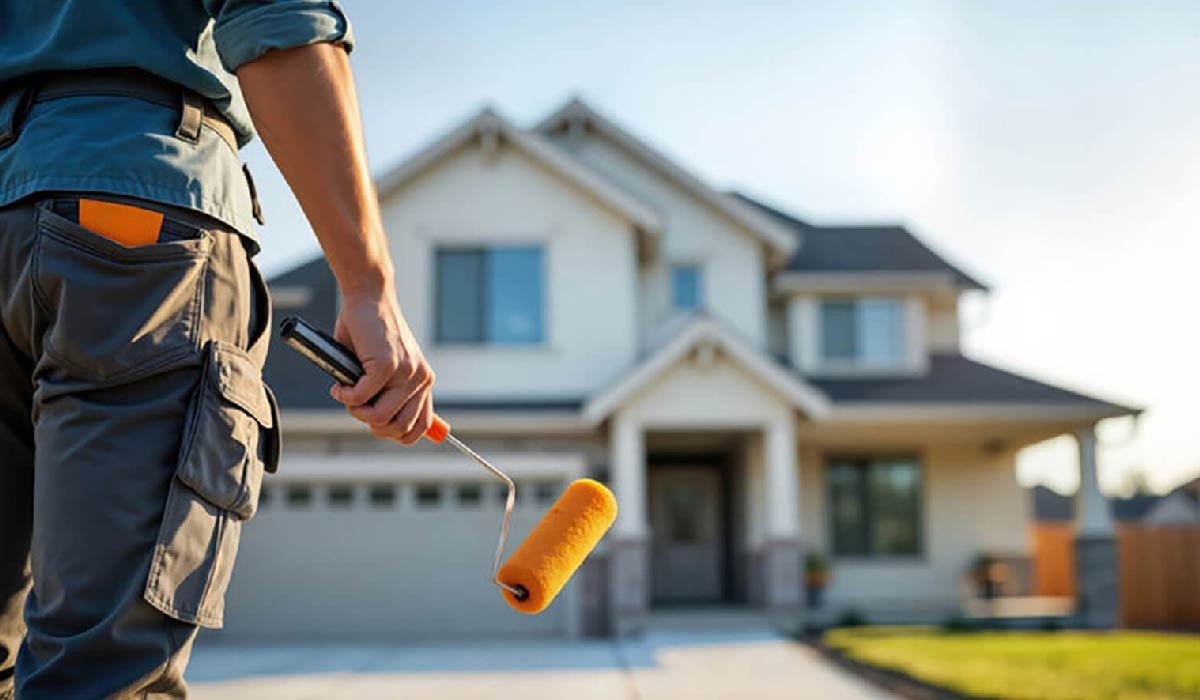
The exterior appearance of a property plays an important role in creating a positive first impression while protecting the building from environmental damage. Walls, doors, windows, fences, and other outdoor surfaces are constantly exposed to sunlight, rain, wind, humidity, dust, and changing temperatures. Over time, these conditions can cause paint to fade, peel, crack, or lose its original finish. A professionally painted exterior not only improves the appearance of a building but also provides an additional layer of protection against moisture, weather exposure, and everyday wear. Choosing the right exterior painter is therefore an important decision for homeowners and commercial property owners who want to maintain their buildings and achieve attractive, durable results.
Exterior painting involves much more than applying a fresh coat of paint to visible surfaces. It requires careful inspection, proper surface preparation, appropriate material selection, and professional application techniques. Every stage contributes to the final appearance and durability of the paintwork. Using unsuitable products or skipping important preparation steps can lead to premature peeling, uneven coverage, and unnecessary maintenance expenses. Understanding the exterior painting process, learning about available paint options, and knowing what to expect from professional services can help property owners make informed decisions and achieve a finish that lasts.
Understanding the Importance of Professional Exterior Painting
Exterior painting is one of the most effective ways to improve the appearance and condition of a property. A fresh paint finish can transform an aging building, make architectural details more noticeable, and create a cleaner, more welcoming atmosphere. Whether the property has traditional architecture or a modern design, carefully selected colors and professional application can significantly improve its overall presentation.
Beyond appearance, exterior paint serves as a protective coating for different building materials. Properly selected exterior coatings help reduce direct exposure to moisture and environmental pollutants. They can also provide protection against ultraviolet radiation, which gradually deteriorates many conventional paint finishes. When applied correctly, suitable paint products help maintain the condition of exterior walls, wooden components, and other exposed surfaces.
Professional painting services also help prevent common application problems. Experienced painters understand how different materials respond to paint, which primers are appropriate, and how environmental conditions influence drying and adhesion. Their knowledge helps ensure consistent coverage, smooth finishes, and proper protection across the entire exterior surface.
Another advantage of professional painting is efficient project management. Large exterior painting projects may involve scaffolding, ladders, surface cleaning equipment, protective coverings, and specialized application tools. An organized painting team can coordinate these activities while following appropriate safety procedures and minimizing disruption to the property.
The Importance of Proper Surface Preparation
Surface preparation is one of the most important stages of any exterior painting project. Even the highest-quality paint cannot deliver long-lasting results when applied over dirty, damaged, or poorly prepared surfaces. Dust, grease, loose paint, mildew, and moisture can interfere with adhesion and create defects that become visible after the paint dries.
The preparation process typically begins with a detailed inspection of the exterior. Painters examine walls, trim, doors, windows, and other surfaces to identify cracks, peeling paint, damaged wood, stains, and signs of moisture intrusion. These problems should be addressed before the new coating is applied.
Cleaning is another essential step. Exterior surfaces may accumulate dirt, dust, pollution, algae, and other contaminants over time. Appropriate washing methods help remove these materials and create a clean foundation for the new paint. However, cleaning pressure and techniques must be selected carefully to avoid damaging delicate surfaces.
Once the surfaces have been cleaned and dried, loose or peeling paint is removed through scraping and sanding. Small cracks and imperfections may require suitable fillers or repair compounds. Damaged wood, deteriorated sealants, and defective exterior materials should also be repaired or replaced when necessary.
Priming provides an additional layer of preparation by improving paint adhesion and helping create a consistent surface. The appropriate primer depends on the existing material, its condition, and the type of paint being used. Taking sufficient time during preparation is essential for achieving a professional finish and reducing the risk of premature paint failure.
Choosing the Right Exterior Paint for Your Property
Selecting suitable paint is an important part of achieving an attractive and durable exterior finish. Different products are designed for different materials and environmental conditions. The right selection depends on the building’s construction, surface condition, exposure to sunlight and moisture, and desired appearance.
Acrylic latex paint is a popular option for many exterior applications because it offers flexibility, good adhesion, and resistance to weather exposure when properly formulated. Its ability to expand and contract with temperature changes can help reduce cracking and peeling. Many modern acrylic products are also available in different finishes and colors, providing flexibility for residential and commercial projects.
Elastomeric coatings are another option for certain masonry and exterior wall applications. These products are designed to provide a flexible coating that can bridge some minor surface imperfections and help resist moisture penetration. However, they must be selected and applied according to manufacturer specifications because unsuitable application can affect the building’s ability to release trapped moisture.
Oil-based paints may be appropriate for particular exterior wood or metal applications, depending on the existing coating and product requirements. They can provide a durable finish, although drying times, maintenance considerations, and compatibility with other coatings should be evaluated before use.
Specialized masonry paints are designed for materials such as concrete, brick, and stucco. These products offer different levels of breathability, water resistance, and surface protection. Selecting the correct formulation helps maintain the appearance and performance of the exterior while reducing the risk of coating-related problems.
Understanding Different Exterior Paint Finishes
Paint finish affects both the appearance and practical performance of an exterior coating. Different finishes reflect light differently and can influence how visible surface imperfections become after application.
Flat or matte finishes provide a soft, understated appearance and can help reduce the visibility of minor surface imperfections. They are commonly considered for exterior walls where a non-reflective appearance is preferred. However, their cleaning and durability characteristics vary according to the product formulation.
Satin finishes offer a subtle sheen that can provide a balance between appearance and practical maintenance. They are often suitable for exterior trim, doors, and certain wall applications when the selected product is designed for the intended surface.
Semi-gloss finishes provide a more noticeable shine and are frequently used on doors, window frames, railings, and decorative details. Their relatively smooth surfaces can make cleaning easier, although they may highlight imperfections if the underlying surface is not properly prepared.
Choosing the right finish should involve considering the architectural design, surface condition, exposure level, and maintenance expectations. A professional consultation can help property owners select combinations that create a consistent and attractive appearance throughout the building.
Popular Exterior Color Combinations and Design Ideas
Color selection has a major influence on the character and visual appeal of a property. The right combination can highlight architectural features, complement surrounding landscaping, and create a balanced appearance. However, exterior colors should be chosen with careful consideration of the building’s design, existing materials, and environmental surroundings.
Neutral colors such as white, cream, beige, and light gray remain popular because they create a clean and timeless appearance. These shades can work particularly well with darker window frames, contrasting doors, and natural stone features. They also offer flexibility when updating landscaping or other exterior elements in the future.
Earth-inspired colors, including warm brown, olive green, muted terracotta, and sandy shades, can create a welcoming appearance. These colors often complement properties that feature natural materials such as brick, stone, and timber.
For modern architectural designs, combinations of charcoal gray, white, black, and muted natural tones can create a distinctive appearance. Darker accent colors may be used on entrance doors, window frames, and selected architectural details to provide contrast without overwhelming the overall design.
Before making a final decision, property owners should consider testing paint samples on different exterior surfaces. Colors can appear different under direct sunlight, shade, and changing weather conditions. Reviewing samples at different times of the day can help prevent disappointing results after the entire building has been painted.
Exterior Painting for Different Building Materials
Different exterior materials require specific preparation methods and coating products. Understanding these differences is essential because a paint system that works well on one surface may not be suitable for another.
Painting Exterior Walls and Masonry
Concrete, brick, stucco, and rendered walls are commonly exposed to moisture, sunlight, and temperature changes. Before painting, these surfaces should be inspected for cracks, loose material, efflorescence, and moisture-related deterioration. Appropriate cleaning, repairs, and masonry primers help create a suitable foundation for the selected exterior coating.
Breathability is particularly important when painting masonry. Some wall materials need to release moisture vapor, so using an unsuitable coating may trap moisture and contribute to blistering or peeling. Selecting a compatible paint system helps maintain the performance of the wall assembly.
Painting Wooden Exterior Surfaces
Wooden siding, doors, window frames, fences, and decorative features require careful preparation because wood responds to changes in moisture and temperature. Existing paint should be inspected for peeling, cracking, and deterioration. Damaged sections may require repair or replacement before painting.
Wood should be sufficiently dry before a new coating is applied. Suitable primers help improve adhesion and protect the surface, while quality exterior paints provide a protective finish against sunlight and moisture. Regular inspections are particularly important because exposed wood can deteriorate when its protective coating fails.
Painting Metal Doors, Railings, and Fixtures
Metal surfaces can develop rust and corrosion when exposed to moisture and oxygen. Before painting, rust should be removed using suitable preparation methods, and the surface should be cleaned thoroughly. A compatible metal primer can help improve adhesion and protect against corrosion.
Exterior metal paints are available in different finishes and formulations. Choosing a suitable product according to the metal type and environmental exposure helps improve durability and maintain an attractive appearance.
The Exterior Painting Process From Start to Finish
Understanding the painting process allows property owners to know what to expect and evaluate whether the work is being completed properly. Although project requirements vary, most professional exterior painting jobs follow a structured sequence.
Initial Inspection and Project Planning
The process begins with evaluating the building’s exterior condition, measuring the surfaces, and identifying any repairs that may be necessary. During this stage, the painting team discusses color preferences, paint products, surface preparation requirements, and the overall project schedule.
A detailed estimate should explain the scope of work, expected material requirements, labor charges, and any additional services. Proper planning helps prevent misunderstandings and ensures that the project begins with realistic expectations.
Cleaning and Repairing Exterior Surfaces
Before painting begins, exterior surfaces are cleaned to remove dirt, dust, mildew, and loose contaminants. Damaged areas are then repaired, cracks are filled where appropriate, and peeling paint is removed.
The building must be allowed to dry sufficiently before primers and paints are applied. Painting over damp surfaces can interfere with adhesion and lead to premature coating failure.
Applying Primer and Protective Coatings
Once preparation is complete, the appropriate primer is applied to suitable surfaces. Primer helps create a consistent foundation, improves adhesion, and may help block stains or reduce uneven absorption.
After the primer has dried according to product instructions, the selected exterior paint is applied. Depending on the product and surface condition, multiple coats may be required to achieve uniform coverage and the desired finish.
Final Inspection and Cleanup
After the painting work is complete, the finished surfaces should be inspected for uneven coverage, missed areas, drips, and other visible defects. Protective coverings are removed, equipment is cleaned, and the surrounding property is restored to an orderly condition.
A professional handover should include information about the paint products used, recommended maintenance practices, and any applicable workmanship or product warranties.
Why Weather Conditions Matter During Exterior Painting
Weather conditions can significantly influence the quality and durability of exterior paintwork. Temperature, humidity, wind, sunlight, and rainfall all affect how paint spreads, adheres, and dries. Even high-quality products can produce disappointing results when applied under unsuitable conditions.
Most exterior paints have recommended application temperature ranges that must be followed. Extremely low temperatures can slow drying and affect film formation, while excessive heat may cause paint to dry too quickly and produce uneven application.
High humidity can extend drying times and increase the risk of moisture-related coating problems. Rain shortly after application may damage fresh paint or interfere with proper curing. Strong winds can also carry dust, leaves, and other debris onto wet surfaces.
Direct sunlight can create additional challenges, especially when painting large exterior walls. Hot surfaces may cause the paint to dry too rapidly, making it difficult to achieve consistent coverage. Professional painters consider these conditions when planning work schedules and selecting appropriate application times.
Following manufacturer recommendations is essential because drying and recoating requirements differ between products. Proper timing helps improve adhesion, appearance, and long-term performance.
The Benefits of Hiring a Professional Exterior Painter
Although painting may appear straightforward, exterior projects often involve complex preparation requirements, difficult access areas, and specialized equipment. Professional painters bring practical experience that helps ensure the work is completed efficiently and according to suitable application standards.
One major advantage is the quality of workmanship. Experienced painters understand how to prepare different materials, select compatible primers, apply coatings evenly, and manage detailed areas such as corners, edges, trim, and architectural features. Their attention to detail contributes to a cleaner and more consistent finish.
Professional services can also save time. Exterior painting may require several stages of cleaning, repairs, drying, priming, and coating. An organized team can coordinate these activities while managing equipment and materials effectively.
Safety is another important consideration. Working at heights, handling ladders, and accessing upper-level surfaces can create serious risks. Professional teams should use appropriate access equipment and follow established safety procedures.
Finally, professional guidance helps property owners avoid common mistakes involving paint selection, color combinations, surface preparation, and application techniques. This can reduce the likelihood of premature deterioration and unnecessary repainting expenses.
Maintaining Your Exterior Paintwork for Long-Lasting Results
Regular maintenance is essential for preserving the appearance and protective performance of exterior paint. Even durable coatings gradually experience wear because of continuous exposure to environmental conditions. Proper care can help extend the useful life of the paintwork and identify problems before they become extensive.
Exterior walls should be inspected periodically for cracks, peeling, fading, mildew, and signs of moisture intrusion. Areas around windows, doors, gutters, and roof edges deserve particular attention because water can enter through damaged joints and deteriorated sealants.
Cleaning exterior surfaces occasionally helps remove accumulated dust, pollution, and organic growth. Gentle cleaning methods should be selected according to the paint type and underlying material to avoid damaging the coating.
Small areas of peeling or localized damage should be repaired promptly. Touch-up painting may be appropriate when the original paint product and color are available, although larger damaged areas may require additional preparation and repainting to achieve a consistent appearance.
Property owners should also address structural and drainage problems that may affect exterior surfaces. Leaking gutters, defective downspouts, damaged roofing, and persistent condensation can contribute to paint deterioration. Correcting these underlying issues helps protect the new finish and maintain the building’s condition.
Understanding Exterior Painting Costs and Budget Planning
The cost of an exterior painting project depends on several factors, including the building’s size, surface condition, architectural complexity, paint quality, and labor requirements. Properties with extensive decorative details, multiple stories, or difficult access areas may require additional time and equipment.
Surface preparation can also influence the overall budget. Buildings with peeling paint, damaged wood, cracks, or moisture-related deterioration may require substantial repair work before painting begins. Skipping these necessary steps to reduce initial expenses can lead to premature coating failure and higher maintenance costs.
Paint selection is another important consideration. Premium exterior products may involve a higher upfront investment, but their performance characteristics, durability, and maintenance requirements can provide better long-term value in suitable applications.
Property owners should request detailed written estimates that explain the materials, preparation procedures, number of coats, labor charges, and expected completion schedule. Comparing estimates based on the actual scope of work makes it easier to evaluate the quality and value of different service providers.
A realistic budget should also include potential repair costs and a small allowance for unexpected conditions discovered during preparation. This approach helps prevent interruptions and makes financial planning more manageable.
How to Choose the Right Exterior Painting Professional
Choosing a suitable painting professional requires careful consideration of experience, reliability, workmanship, and customer communication. Property owners should review previous projects to understand the quality of the company’s work and its familiarity with different exterior surfaces.
Customer feedback and references can provide useful information about punctuality, professionalism, project management, and the overall customer experience. It is also worth asking whether the painters have experience with the specific materials and coatings required for the property.
A reliable professional should provide a written estimate that clearly explains the proposed work. The agreement should identify the paint products, surface preparation methods, number of coats, project schedule, payment arrangements, and warranty conditions.
Insurance coverage and relevant professional qualifications should also be verified where applicable. Property owners should avoid relying exclusively on verbal promises or unusually low estimates without understanding what services are included.
Clear communication is essential throughout the project. A dependable painting team should explain its recommendations, discuss any unexpected surface problems, and obtain approval before making significant changes to the original scope of work.
Conclusion
Exterior painting is an important investment that improves a property’s appearance while helping protect its surfaces against moisture, sunlight, temperature changes, and environmental exposure. Achieving long-lasting results requires more than selecting attractive colors or purchasing quality paint. Proper inspection, surface preparation, material compatibility, weather awareness, and professional application all contribute to the performance of the finished coating.
Working with an experienced exterior painter can make the entire process more organized by providing practical recommendations, suitable products, careful preparation, and reliable workmanship. Property owners should prioritize quality, durability, and appropriate maintenance rather than focusing exclusively on the initial project cost. With the right planning and professional assistance, exterior painting can transform the appearance of a building, protect its structural components, and maintain its visual appeal for years to come.
