

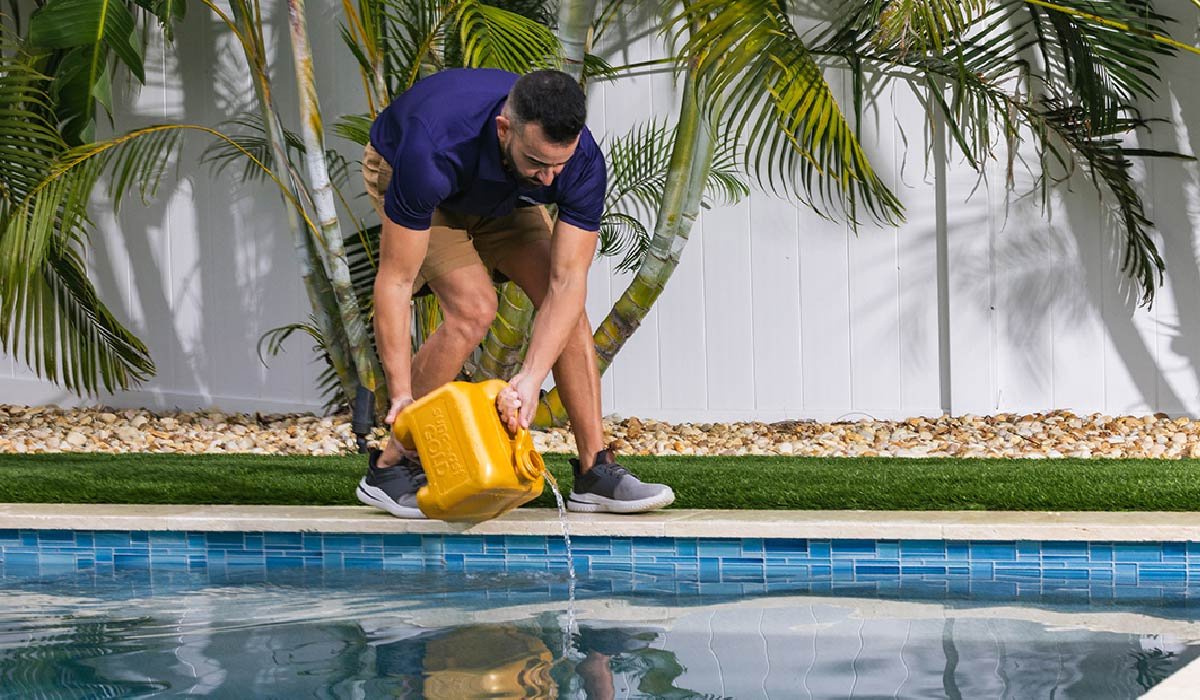
A swimming pool is a valuable addition to any residential or commercial property, providing a comfortable space for relaxation, exercise, entertainment, and family activities. However, maintaining a swimming pool requires consistent attention because its structure, plumbing, filtration equipment, and water circulation system are exposed to regular use and changing environmental conditions. Over time, even a well-maintained swimming pool can develop problems such as cracks, water leaks, damaged tiles, malfunctioning pumps, clogged filters, and deteriorating surfaces. If these issues are ignored, they can affect water quality, increase operating expenses, and lead to more extensive structural damage. Understanding common swimming pool problems and addressing them at the right time helps property owners maintain a clean, functional, and enjoyable swimming environment.
Regular inspections and timely maintenance are essential for keeping every part of a swimming pool in good working condition. Some problems may appear minor initially, but they can gradually become more complicated when exposed to constant water pressure, chemical treatments, and temperature changes. Professional pool repair services help identify underlying issues, restore damaged components, and improve the overall performance of swimming pool systems. Whether the concern involves a small surface crack or a major equipment malfunction, taking a proactive approach can help prevent unnecessary expenses and extend the useful life of the pool. By learning about common repair requirements, maintenance practices, and professional solutions, property owners can make informed decisions about protecting their swimming pool investments.
Understanding Common Swimming Pool Problems
Swimming pools contain several interconnected components that must function properly to provide a safe and comfortable swimming experience. These include the pool shell, interior finish, plumbing lines, circulation pump, filtration system, heating equipment, lighting, and water treatment components. A problem in one area can sometimes affect the performance of other parts of the system, making regular inspections particularly important.
One common issue is water leakage, which may develop because of damaged plumbing connections, deteriorating seals, structural cracks, or problems around fittings and drains. Another frequent concern is surface deterioration, especially in older pools where plaster, tiles, or other finishing materials have experienced years of exposure to water and chemicals. Equipment problems can also interfere with circulation and filtration, resulting in cloudy water, poor water movement, or inconsistent heating.
Identifying the source of a problem is often more important than simply addressing its visible symptoms. For example, repeatedly adding water to a pool may temporarily compensate for a leak, but it does not resolve the underlying damage. Similarly, replacing a filter without examining the circulation system may fail to correct persistent water quality problems. A complete assessment helps determine the most appropriate repair method and reduces the likelihood of recurring issues.
Identifying and Fixing Swimming Pool Leaks
Water loss is one of the most frustrating problems swimming pool owners can experience. Although some evaporation is completely normal, an unusually rapid decrease in water level may indicate a leak. Leaks can occur in different areas, including the pool shell, plumbing network, skimmer, return fittings, drains, and equipment connections.
Structural leaks may develop when concrete or other construction materials begin to deteriorate. Small cracks can allow water to escape gradually, while larger openings may cause noticeable water loss and damage surrounding surfaces. Plumbing leaks are sometimes more difficult to identify because the affected pipes may be buried underground or positioned behind walls and other structural elements.
Professional technicians use different inspection methods to locate the source of water loss. These may include pressure testing, visual examinations, dye testing, and specialized leak detection equipment. The appropriate method depends on the pool’s construction, plumbing arrangement, and suspected leak location.
Once the source has been identified, the repair approach can be selected according to the extent of the damage. Small cracks may require suitable sealing materials, while more extensive structural problems may need specialized restoration. Damaged plumbing sections, fittings, or connections may also need replacement.
Ignoring a leak can increase water consumption and place additional pressure on the pool’s surrounding structure. It may also contribute to soil erosion, moisture damage, and problems with nearby landscaping. Addressing leaks promptly helps maintain proper water levels, protect surrounding property, and prevent unnecessary maintenance costs.
Repairing Cracks and Structural Damage
Cracks are among the most important swimming pool problems to investigate because they can affect both appearance and structural integrity. They may develop in concrete shells, plaster finishes, surrounding decks, and other construction materials. Some cracks are superficial and primarily affect the appearance of the pool, while others may indicate movement, water pressure problems, or more significant structural concerns.
Temperature fluctuations, ground movement, soil settlement, construction defects, and long-term material deterioration can all contribute to cracking. The location, width, depth, and pattern of a crack help determine whether it is cosmetic or potentially structural. For this reason, homeowners should avoid assuming that every visible crack can be repaired using ordinary sealant.
A professional inspection helps establish the actual condition of the affected area. Technicians may examine the surrounding surface, check for signs of water leakage, and determine whether movement or deterioration has contributed to the damage. Depending on the findings, the repair may involve crack injection, specialized patching compounds, surface preparation, or more extensive structural restoration.
Proper preparation is essential for achieving lasting results. Loose material must be removed, the damaged area should be cleaned, and the selected repair product must be compatible with the pool’s construction material and exposure conditions. After the repair, the surface may require additional finishing to restore its appearance and protect it from water penetration.
Addressing cracks early can help prevent moisture intrusion and further deterioration. However, when significant structural movement is suspected, the underlying cause should be investigated before cosmetic restoration begins.
Maintaining Pool Pumps and Circulation Systems
The circulation pump is one of the most important components of a swimming pool because it moves water through the filtration and treatment system. Without proper circulation, dirt, debris, and contaminants may remain in the water, making it difficult to maintain suitable swimming conditions.
Pool pumps can develop several problems over time, including unusual noises, reduced water flow, overheating, electrical malfunctions, and mechanical seal failures. A pump that struggles to circulate water may have a clogged basket, blocked plumbing line, damaged impeller, or other mechanical issue. In some situations, the problem may be related to insufficient water levels or air entering the circulation system.
Regularly checking the pump basket and removing accumulated debris can help maintain proper water movement. Homeowners should also pay attention to unusual vibrations, leaks around the pump housing, and changes in operating performance. These symptoms may indicate that professional inspection is necessary.
Repairing a circulation pump requires identifying the specific component responsible for the malfunction. Depending on its condition, the technician may replace seals, repair electrical connections, clean internal components, or install a replacement motor. If the pump is significantly deteriorated or inefficient, replacing the complete unit may be more practical.
A properly functioning circulation system supports filtration, chemical distribution, and overall water quality. Maintaining this equipment can also reduce unnecessary energy consumption and help prevent more serious mechanical problems.
Fixing Pool Filters and Improving Water Quality
The filtration system plays a major role in maintaining clean swimming pool water. It removes suspended particles, dust, debris, and other contaminants that enter the pool during normal use. When the filter becomes clogged, damaged, or inefficient, water may appear cloudy or develop other quality problems.
There are several common types of swimming pool filters, including sand filters, cartridge filters, and diatomaceous earth filters. Each type operates differently and requires a specific maintenance approach. Sand filters use specially selected filtration media, cartridge filters capture debris through replaceable elements, and diatomaceous earth systems use a fine filtration material to remove small particles.
A clogged filter can restrict water circulation and increase pressure within the filtration system. Homeowners may notice that the water takes longer to become clear or that the pump operates under unusual conditions. Other warning signs include visible damage to filter components, persistent cloudiness, and repeated pressure changes.
Routine filter maintenance should follow the equipment manufacturer’s instructions. Depending on the system, this may involve backwashing, cleaning cartridges, replacing filtration media, or inspecting internal components. If the filter tank develops cracks or important connections become damaged, professional assessment is necessary.
Water quality also depends on correct chemical balance, adequate circulation, and appropriate sanitation. Repairing a filter alone may not solve every water problem, so technicians should consider the entire treatment system when investigating persistent clarity issues.
Restoring Damaged Pool Tiles and Interior Surfaces
Pool tiles and interior finishes contribute significantly to the appearance, comfort, and durability of a swimming pool. However, continuous exposure to water, cleaning chemicals, temperature changes, and physical activity can gradually cause deterioration. Tiles may become loose, grout can weaken, and plaster finishes may develop rough patches or discoloration.
Loose or cracked tiles should be addressed before the surrounding material deteriorates further. When water reaches the underlying bonding material, it may weaken the adhesive and cause additional tiles to separate. Damaged grout can also create spaces where moisture enters and contributes to further deterioration.
The repair process generally begins with removing loose or damaged materials and examining the underlying surface. The area must be properly prepared before new tiles or replacement materials are installed. Suitable adhesives, grout, and finishing products should be selected according to the pool’s design and exposure conditions.
Interior plaster surfaces may require patching when damage is limited to a small area. However, extensive discoloration, roughness, widespread cracking, or significant material loss may indicate that resurfacing is necessary.
A properly restored surface improves the pool’s appearance and helps maintain a more comfortable swimming environment. It also reduces the risk of sharp edges and loose materials creating problems for swimmers.
Understanding Pool Plumbing Problems
Swimming pool plumbing systems carry water between the pool, pump, filter, heater, and return fittings. These pipes and connections must remain in good condition to maintain consistent circulation. Over time, however, plumbing components may develop leaks, blockages, corrosion, or connection failures.
Reduced water flow is one of the most noticeable signs of a plumbing problem. If the circulation system cannot move water efficiently, filtration performance may decrease and the pool may become more difficult to maintain. Air bubbles appearing unexpectedly in the return outlets may also indicate an air leak somewhere in the suction plumbing.
Underground plumbing leaks can be especially challenging because they may not produce obvious visible signs. However, unusually frequent water loss, damp areas around the pool, unexplained changes in pump performance, and soil movement may indicate a hidden problem.
Professional technicians can investigate plumbing concerns through pressure testing, line isolation, and other diagnostic methods. Once the affected section has been identified, the repair may involve replacing damaged pipes, tightening connections, installing new fittings, or clearing an obstruction.
Preventive inspections are particularly useful for older pools because aging pipes and connections may become more vulnerable to deterioration. Maintaining the plumbing network helps support proper water circulation and protects other equipment from unnecessary strain.
Repairing Pool Heaters and Temperature Control Systems
Pool heating systems allow homeowners to enjoy comfortable water temperatures when outdoor conditions become cooler. Depending on the installation, a pool may use a gas heater, electric heat pump, or another heating solution. Like other mechanical equipment, these systems require periodic inspection and maintenance.
Common heater problems include inconsistent temperatures, ignition failures, restricted water flow, unusual operating noises, and control system malfunctions. Sometimes, the issue is not related to the heater itself but results from a clogged filter, inadequate circulation, or incorrect system settings.
A qualified technician should inspect the heater before major components are replaced. Electrical connections, gas-related components, temperature sensors, heat exchangers, and water flow conditions may all need evaluation depending on the equipment type.
Heater maintenance is important because a malfunctioning unit may consume more energy while delivering inconsistent results. In addition, certain problems involving gas connections or electrical components can create safety risks if handled incorrectly.
Following the manufacturer’s service recommendations and arranging professional inspections can help maintain dependable heating performance. Homeowners should avoid attempting complicated gas or electrical repairs without the appropriate qualifications.
Improving Pool Lighting and Electrical Safety
Swimming pool lighting improves visibility, supports nighttime swimming, and enhances the overall appearance of the outdoor space. However, lighting systems must be maintained carefully because electrical equipment operates near water.
Common lighting problems include flickering bulbs, failed fixtures, damaged wiring, moisture intrusion, and malfunctioning control switches. Older lighting installations may also contain components that no longer meet current safety requirements.
A light that repeatedly stops working should not simply be treated as a routine bulb replacement. Moisture entering a fixture, damaged insulation, or faulty connections may indicate a more serious issue. Electrical problems around swimming pools require particular attention because of the potential risk of electric shock.
Qualified professionals can inspect the lighting system, evaluate grounding and bonding arrangements, and determine whether a fixture or electrical component requires replacement. They can also recommend suitable lighting products designed specifically for swimming pool environments.
Homeowners should avoid opening underwater light fixtures or handling electrical connections while the system is energized. Proper maintenance and professionally completed electrical work help support a safer swimming environment.
How Professional Pool Repair Services Protect Your Investment
Swimming pools represent a significant investment, and maintaining them properly can help protect their value over time. Small problems that receive attention early are often easier to manage than extensive damage caused by prolonged neglect.
Professional technicians have the experience and equipment needed to evaluate different pool components and identify problems that may not be immediately visible. Their work can include structural inspections, leak detection, plumbing assessments, equipment testing, surface restoration, and circulation system maintenance.
An experienced service provider also understands that different pool materials require different repair methods. Fiberglass, concrete, vinyl-lined, and other pool designs have specific maintenance requirements. Selecting the wrong materials or applying an unsuitable repair technique can result in poor performance and recurring damage.
A professional assessment can help homeowners prioritize repairs according to their importance. For example, an active structural leak or electrical safety concern should receive attention before cosmetic improvements. This approach allows property owners to allocate their maintenance budgets more effectively.
Reliable pool repair professionals should also explain the nature of the problem, describe the recommended solution, and provide a clear estimate before starting major work. Transparent communication makes it easier to understand the repair process and avoid unexpected expenses.
How to Choose the Right Pool Repair Contractor
Choosing a qualified contractor is an important decision because the quality of repair work directly affects the performance and durability of a swimming pool. Property owners should look beyond advertising claims and evaluate the service provider’s experience, qualifications, and approach to customer service.
Start by checking whether the contractor has experience working with the specific type of swimming pool and equipment involved. A professional who regularly handles concrete pool restoration may have different expertise from someone who primarily services filtration systems or plumbing networks.
It is also useful to ask whether the company provides inspections before recommending expensive replacements. A reliable technician should investigate the cause of a problem rather than immediately suggesting that an entire component needs to be replaced.
Before approving the work, request a written estimate that explains the expected repairs, materials, labor, and any additional costs. Homeowners should also ask about warranties, project timelines, and the maintenance requirements associated with the completed repair.
Customer reviews and references can provide additional insight into the contractor’s reliability and workmanship. However, homeowners should consider several factors rather than relying on a single review or promotional statement.
A dependable professional should communicate clearly, follow appropriate safety procedures, and provide practical recommendations for maintaining the repaired components.
Preventive Maintenance Tips for Long-Term Pool Performance
Preventive maintenance is one of the most effective ways to reduce unexpected swimming pool problems. Although some repairs are unavoidable as materials and equipment age, regular care can help identify developing issues before they become expensive.
One important habit is monitoring the pool’s water level. A sudden or unexplained decrease may indicate a leak, particularly when normal evaporation cannot account for the change. Homeowners should also examine the surrounding deck and landscaping for unusual dampness or soil movement.
Cleaning the pool regularly helps prevent debris from accumulating in skimmers, baskets, and filtration equipment. Leaves, dirt, insects, and other contaminants can affect circulation when they are allowed to collect in the system.
Maintaining balanced water chemistry is equally important. Incorrect chemical levels can contribute to corrosion, surface deterioration, scaling, and irritation. Water should be tested regularly, and treatment products should be used according to the manufacturer’s recommendations and appropriate safety instructions.
Other helpful maintenance practices include:
Inspecting pumps, filters, and visible plumbing connections regularly.Cleaning skimmer baskets and pump baskets to prevent blockages.Checking pool surfaces for cracks, loose tiles, and rough patches.Monitoring equipment for unusual sounds, vibrations, or leaks.Keeping the surrounding deck clean and free from damaged materials.Scheduling professional inspections according to the pool’s age and usage.Following seasonal maintenance procedures recommended for the equipment.
Developing a consistent maintenance routine helps homeowners understand the normal operating condition of their pools. This makes it easier to recognize unusual changes and arrange repairs when necessary.
Conclusion
Maintaining a swimming pool requires more than occasional cleaning and chemical treatment. Every part of the system, including the structure, plumbing, circulation pump, filtration equipment, heating components, and lighting, must function correctly to provide a safe and enjoyable swimming environment. Over time, exposure to water, chemicals, temperature changes, and regular use can cause deterioration that affects performance and appearance.
Recognizing common warning signs such as water loss, structural cracks, cloudy water, reduced circulation, damaged tiles, and unusual equipment noises allows homeowners to address problems before they become more complicated. Regular inspections and preventive maintenance also help protect the pool’s components, reduce unnecessary expenses, and extend its useful life.
Professional pool repair services provide the expertise needed to identify underlying problems and restore damaged systems using suitable methods and materials. By choosing qualified technicians, following recommended maintenance practices, and addressing developing issues promptly, property owners can protect their swimming pool investment and enjoy a cleaner, more reliable, and comfortable swimming environment for years to come.
