

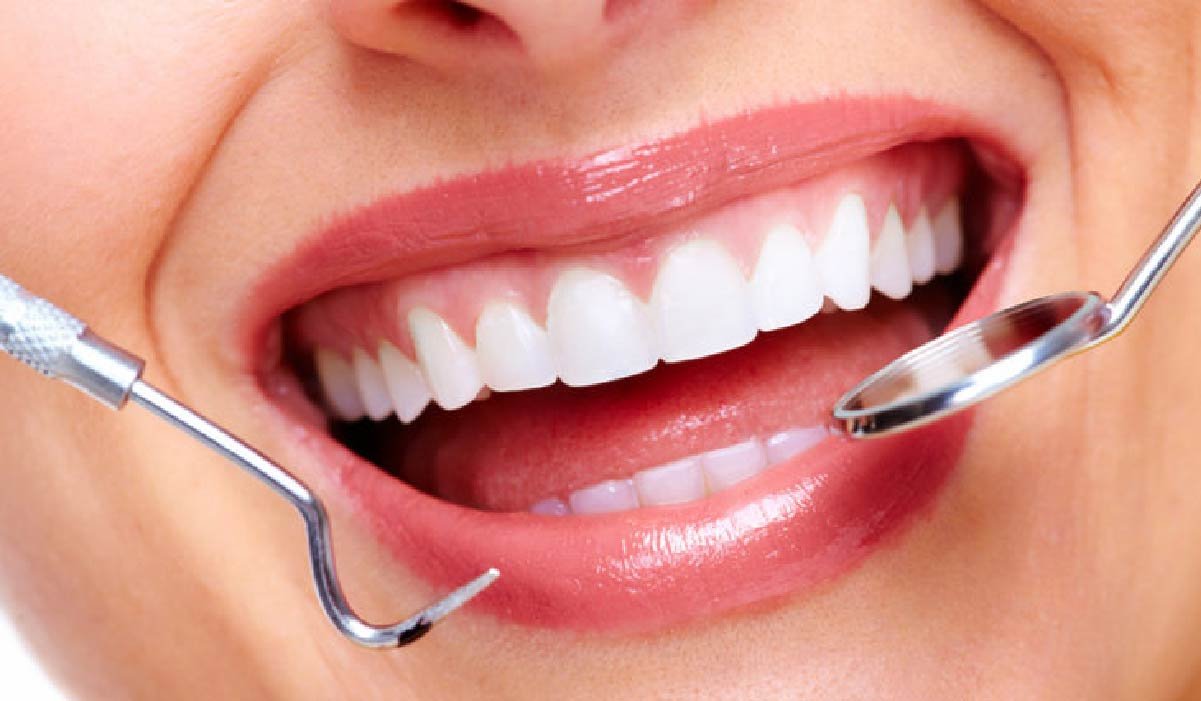
A smile is one of the first things people notice, and yet millions of adults quietly live with teeth they feel self-conscious about. Chips, stains, gaps, crowding, worn enamel. These are not minor vanities. Research published by the American Academy of Cosmetic Dentistry found that 48 percent of adults believe a smile is the most memorable feature after a first meeting. That figure says a lot about why cosmetic dentistry has grown into one of the most requested categories in modern dental care. This article walks through the most common cosmetic dental treatments, explains how each one works, and helps readers understand what factors actually matter when evaluating their options.
What Cosmetic Dentistry Actually Covers
Cosmetic dentistry is a broad term that refers to any dental work aimed primarily at improving the appearance of teeth, gums, or bite alignment. Unlike restorative dentistry, which addresses damage or disease, cosmetic procedures are largely elective. That said, the line between the two categories is often blurry. A dental crown, for example, can be both functional and aesthetic. Veneers protect worn enamel while dramatically changing the look of a tooth. Understanding this overlap matters because it affects how procedures are classified for insurance purposes and how a dentist might approach treatment planning.
Cosmetic dentistry spans a wide range of complexity. Some treatments take a single office visit. Others require multiple appointments spread across several months. Some are reversible; others are permanent changes to tooth structure. Knowing where a specific procedure falls on that spectrum helps patients set realistic expectations from the start.
The Most Common Cosmetic Dental Treatments
Teeth Whitening
Professional teeth whitening is the most widely performed cosmetic dental procedure in the United States. It uses peroxide-based bleaching agents, typically hydrogen peroxide or carbamide peroxide, applied either in-office or through custom take-home trays. In-office treatments typically use higher peroxide concentrations and sometimes pair the gel with a curing light to accelerate the process. Results can lighten teeth by several shades in a single session. Take-home trays work more gradually but offer convenience and are often preferred for maintaining results over time. It is worth noting that whitening works only on natural tooth enamel, not on crowns, veneers, or bonded areas.
Dental Veneers
Veneers are thin shells, most often made from porcelain or composite resin, that are bonded to the front surface of teeth. They are one of the most versatile cosmetic options available because a single treatment can address discoloration, chips, minor misalignment, gaps, and shape irregularities all at once. Porcelain veneers typically require removing a small amount of enamel from the tooth surface to create room for the shell, which makes the procedure irreversible. Composite veneers involve less tooth reduction and can sometimes be completed in one visit, though they tend to be less durable than porcelain. With proper care, porcelain veneers can last 10 to 15 years or longer.
Dental Bonding
Dental bonding uses a tooth-colored composite resin applied directly to the tooth, shaped by hand, and then hardened with a curing light. It is one of the most affordable and least invasive cosmetic options. Bonding works well for repairing minor chips, closing small gaps, covering stains, or reshaping teeth that look uneven. The procedure usually takes 30 to 60 minutes per tooth and requires little to no enamel removal. The trade-off is durability. Bonded resin is more susceptible to staining and chipping than porcelain, and touch-ups or replacements may be needed every 5 to 10 years depending on habits and oral care.
Invisalign and Clear Aligners
Clear aligner systems like Invisalign have become a mainstream alternative to traditional metal braces for adults seeking cosmetic improvement through orthodontic correction. These custom-molded plastic trays gradually shift teeth into better alignment over a series of progressively adjusted sets. Treatment timelines vary significantly depending on the complexity of the case. Mild crowding or spacing issues might be corrected in as few as six months, while more complex cases can take 18 months or longer. Clear aligners are removable, which makes eating and oral hygiene easier than fixed brackets. They are not, however, suitable for every alignment problem, and an orthodontic evaluation is necessary to determine candidacy.
Dental Implants and Crowns
While dental implants are primarily restorative, they carry significant cosmetic benefits, particularly for people who have lost one or more teeth. An implant consists of a titanium post surgically placed into the jawbone, topped with an abutment and a porcelain crown. The result looks and functions almost identically to a natural tooth. All-ceramic or porcelain-fused crowns are also used to restore teeth that are severely discolored, cracked, or misshapen when less invasive options are not sufficient. Crowns cover the entire visible portion of a tooth and can last 15 years or more with consistent dental care.
Comparing Common Cosmetic Procedures at a Glance
| Procedure | Average Duration | Reversible | Typical Longevity | Best For |
| Teeth Whitening | 1 visit or 2-4 weeks | Yes | 1 to 3 years | Surface stains, overall brightness |
| Porcelain Veneers | 2 to 3 visits | No | 10 to 15+ years | Multiple aesthetic concerns at once |
| Composite Bonding | 1 visit | Partially | 5 to 10 years | Minor chips, gaps, stains |
| Clear Aligners | 6 to 18+ months | Yes | Permanent with retainer use | Crowding, spacing, mild bite issues |
| Dental Implants | 3 to 6 months total | No | 20+ years | Missing teeth replacement |
Key Factors to Consider Before Starting Treatment
Choosing a cosmetic dental treatment is rarely as simple as picking a procedure from a menu. Several practical factors shape which option will actually deliver the best outcome for a specific person.
- Underlying oral health: Any active decay, gum disease, or infection must be addressed before cosmetic work begins. Placing veneers on a tooth with untreated decay, for instance, can lead to failure and additional expense.
- Budget and insurance: Most cosmetic procedures are not covered by dental insurance because they are considered elective. Costs vary widely by region, materials, and provider experience, so getting itemized estimates matters.
- Lifestyle habits: Smoking, frequent coffee or red wine consumption, and habits like nail biting or teeth grinding can affect how long certain treatments last. Some patients need a night guard before or during cosmetic work.
- Realistic expectations: Cosmetic dentistry can produce remarkable changes, but results are constrained by the structure of a person’s natural teeth and gums. A thorough consultation with photo simulations or digital previews helps align expectations with what is achievable.
- Provider experience: Cosmetic dentistry requires skill in aesthetics beyond basic dental training. Reviewing before-and-after case photos and asking about a dentist’s specific experience with a procedure is a reasonable part of the selection process.
How to Find a Qualified Cosmetic Dentist
There is no single board certification exclusively for cosmetic dentistry in the United States, which means any licensed general dentist can technically offer these services. That makes due diligence especially important. The American Academy of Cosmetic Dentistry offers an accreditation program that requires dentists to demonstrate advanced knowledge and case competency, so accredited members are a good starting point. Beyond credentials, prospective patients should look at real patient case galleries, read verified reviews, and ask pointed questions during consultations about materials used, technique preferences, and what happens if a result needs adjustment.
Geography also plays a role in what is available. Practices in coastal cities and metropolitan areas tend to have access to the latest materials, digital imaging tools, and lab partnerships that can influence the quality of custom restorations. For example, https://www.newportbeachsmilestudio.com/ is an example of a practice based in Newport Beach, California, where patients can explore a range of cosmetic and restorative options in a coastal Southern California setting. Regardless of location, the most important step is scheduling a consultation that includes a thorough examination, not just a conversation about aesthetics.
What to Expect During a Cosmetic Dental Consultation
A good cosmetic consultation does more than discuss what a patient wants. It starts with a full clinical examination, including X-rays if needed, to assess the health of existing teeth and gums. The dentist then reviews the patient’s goals, discusses which procedures are appropriate given the clinical picture, and explains the sequence if multiple treatments are involved. Many practices now use digital smile design software that generates a visual preview of potential outcomes, which can help patients make more informed decisions before committing to irreversible work.
Patients should feel comfortable asking questions at every stage. How long will recovery take? Are there dietary restrictions after the procedure? What maintenance is required? What are the risks specific to this treatment? A dentist who welcomes these questions and answers them clearly is a strong indicator of the kind of communication that leads to good outcomes.
Caring for Cosmetic Dental Work Over Time
Cosmetic dental work is an investment, and like any investment, it benefits from consistent care. The basics of oral hygiene apply across all procedures: brushing twice daily with a soft-bristled toothbrush, flossing once a day, and attending regular professional cleanings. Beyond those fundamentals, specific treatments have additional considerations. Veneers and bonded surfaces benefit from avoiding extremely hard foods that could chip the material. Whitening results last longer when patients limit staining foods and beverages and use touch-up trays periodically. Clear aligner treatment requires wearing retainers after treatment ends to prevent teeth from shifting back.
Patients with bruxism, the habit of grinding or clenching teeth during sleep, face a particular risk of damaging cosmetic restorations. A custom-fitted night guard is often recommended as a protective measure and is a small additional cost compared to replacing a chipped veneer or cracked crown. Regular check-ups also give the dentist an opportunity to catch early signs of wear or failure before they become larger problems.
Cosmetic dentistry covers a wide range of procedures that vary significantly in cost, complexity, reversibility, and longevity. Understanding those differences before committing to any treatment allows patients to make decisions grounded in both their aesthetic goals and practical realities. The right starting point is always a thorough evaluation with a qualified provider who takes the time to understand the full picture, not just the surface.
