

Introduction
For many of us, our dogs are cherished family members. Finding reliable and enriching care for them, especially when our busy lives take us away, is a top priority. We all want to know our furry friends are safe, happy, and well-cared for, whether it’s for a few hours or an extended stay. The professional pet care landscape has expanded, offering solutions that cater to every dog’s unique needs and every owner’s schedule.
This guide is designed to help us make informed decisions about professional pet care services. We will explore the different types of care available, from daily enrichment at a daycare to various overnight boarding options. We’ll also examine important considerations such as safety measures, how facilities accommodate special needs, and understanding pricing models. Our goal is to equip you with the insights needed to select the ideal environment for your dog, including facilities offering convenient round-the-clock dog daycare options, ensuring their well-being and your peace of mind.
Evaluating Core Types of Professional Pet Care Services
When considering professional pet care, understanding the distinctions between various services is crucial. Modern facilities offer a spectrum of options designed to meet different canine needs and owner schedules. From daily routines focused on active play to comprehensive overnight accommodations, the goal is always to provide a safe, stimulating, and social environment for our pets. These services are not just about supervision; they often incorporate elements of behavioral health, mental stimulation, and positive socialization, all contributing to a dog’s overall well-being.
Daycare vs Overnight Boarding Solutions
The fundamental choice for many pet owners often boils down to daycare or overnight boarding. Daycare services are typically for daytime enrichment, providing a structured environment where dogs can engage in supervised play, exercise, and social interaction for several hours. This is an excellent solution for working professionals, individuals with busy schedules, or dogs who benefit from consistent stimulation to prevent boredom and potential destructive behaviors at home. A dog that comes home “happily exhausted” after a day of play is a testament to effective daycare.
Overnight boarding, on the other hand, extends these services to include sleepover accommodations. It’s designed for when owners are away for an extended period, whether for a weekend trip or a longer vacation. Beyond daytime activities, boarding facilities provide a secure and comfortable place for dogs to sleep, often with staff present to ensure their safety and well-being throughout the night. For dogs prone to separation anxiety, the continuous presence of human caregivers and the companionship of other dogs can be particularly beneficial, offering a less stressful alternative to being left alone.
Social Boarding vs Private Suite Accommodations
Within the realm of overnight boarding, facilities often present two primary options: social boarding and private suite accommodations. Each caters to different canine personalities and owner preferences.
Social boarding, sometimes referred to as a “Happy Dog Sleepover,” involves dogs sleeping together in a supervised, communal area. This model is ideal for highly social dogs who thrive on constant companionship and prefer to be surrounded by their peers, even during rest. The continuous interaction can be a significant benefit for dogs who might otherwise feel isolated. Facilities offering social boarding often emphasize that dogs are not caged at night, which can provide peace of mind for owners who prefer a more natural, pack-like sleeping arrangement for their pets.
Conversely, private suite accommodations, or “Happy Dog Private Sleepovers,” offer individual, enclosed spaces for dogs to rest. These private rooms provide a quiet, personal retreat, which is perfect for dogs that are shy, elderly, or simply prefer their own space. It’s also an excellent option for dogs with specific dietary needs, medical conditions that require isolated administration of medication, or those who might be overwhelmed by constant group interaction. The choice between social and private boarding largely depends on your dog’s temperament and their comfort level in different environments.
To help illustrate the differences, consider the following comparison:
Feature Social Boarding (e.g., Happy Dog Sleepover) Private Boarding (e.g., Happy Dog Private Sleepover) Sleeping Arrangement Communal, open-plan sleeping area Individual, enclosed private suites Social Interaction High, continuous with other dogs Limited, primarily during daytime play; private at night Privacy Level Low High Ideal Dog Temperament Highly social, confident, enjoys group dynamics Shy, anxious, senior, needs quiet, prefers solitude, specific needs Grooming and Supplemental Wellness Amenities
Beyond basic daycare and boarding, many professional pet care facilities enhance their offerings with a variety of grooming and supplemental wellness amenities. These services contribute significantly to a dog’s overall health, hygiene, and happiness during their stay.
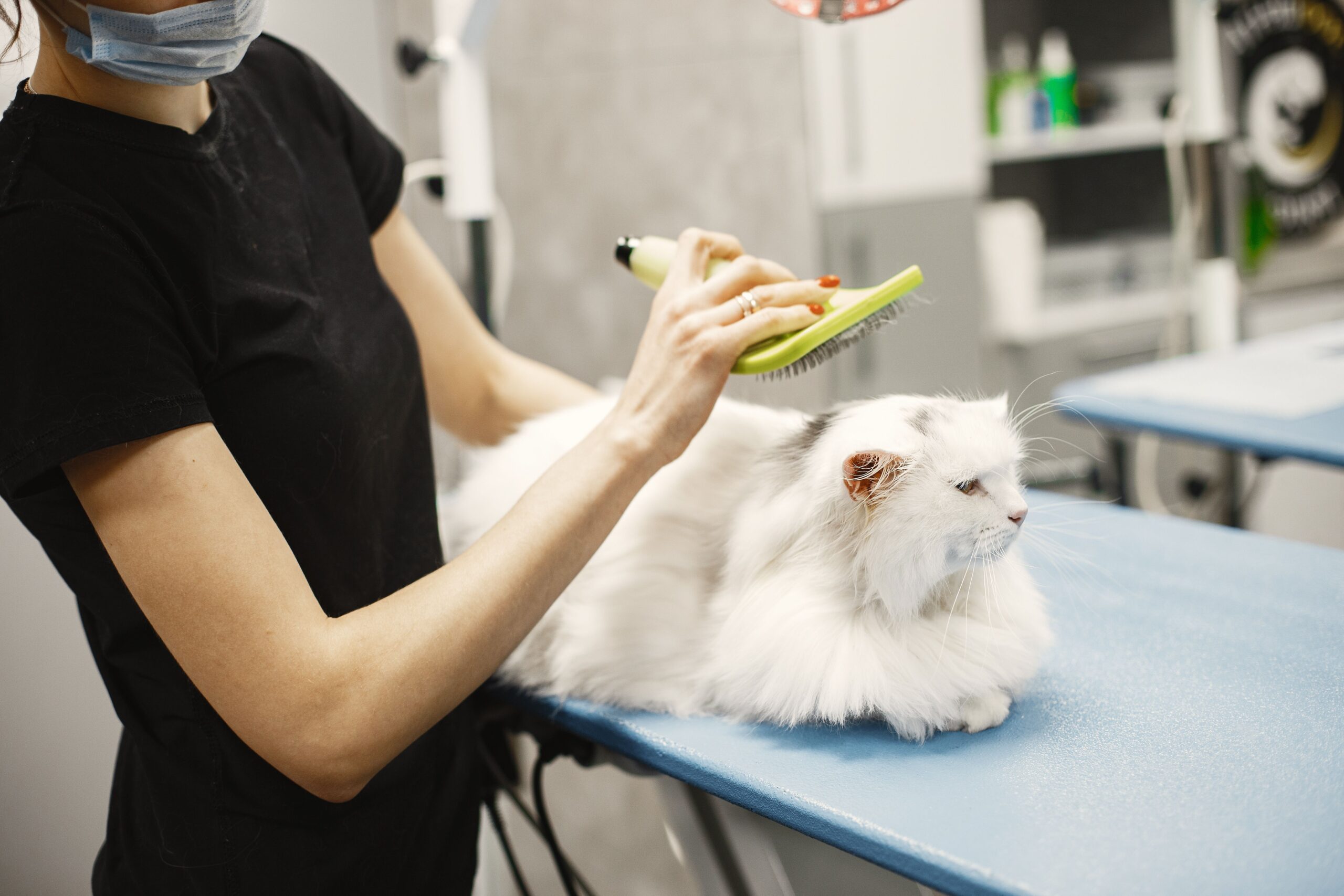
Grooming services often include routine coat maintenance such as bathing, brushing, and de-shedding, ensuring dogs return home looking and feeling their best. Maintaining good hygiene standards is not only about aesthetics but also about preventing skin issues and keeping a pet comfortable.
Supplemental wellness amenities focus on enrichment and additional care. This can range from dedicated 15-minute or 30-minute individual walks, providing one-on-one attention and extra exercise, to special treats like “Doggy Ice Cream” or puzzle treats designed to offer mental stimulation and a fun perk. Some facilities also offer “Daycare Report Cards,” which can include photos and updates on a dog’s activities and interactions throughout the day, providing owners with reassuring transparency. These personalized touches demonstrate a commitment to not just caring for, but truly enriching, a dog’s experience.
Operational and Safety Protocols in Modern Facilities
The cornerstone of any reputable professional pet care service is its commitment to safety and robust operational protocols. Owners entrust their beloved companions to these facilities, and knowing that comprehensive measures are in place to prevent injuries and manage emergencies is paramount. Modern facilities prioritize a multi-faceted approach to safety, encompassing everything from initial intake assessments to emergency veterinary procedures.
Key elements include thorough temperament screening for all new dogs, ensuring that playgroups are harmonious and safe. Strict adherence to parasite prevention, such as requiring all dogs to be on monthly flea/tick preventative, helps maintain a healthy environment for all. Furthermore, clear emergency veterinary protocols and detailed incident reporting procedures are essential for transparent and responsible care.
Assessing Safety Protocols in Professional Pet Care Services
When evaluating a pet care facility, delving into their safety protocols is non-negotiable. Reputable establishments implement a series of measures to ensure a secure environment. This begins with comprehensive intake assessments, often involving a free first-day orientation. During this crucial period, staff evaluate a dog’s temperament, social skills, and comfort level in a group setting. This allows them to place dogs in appropriate playgroups, minimizing the risk of conflict and ensuring a positive experience for every canine guest.
During playtime, best practices include the removal of collars and harnesses to prevent snagging or injury. Leash protocols are also strictly enforced upon entry and exit, typically requiring dogs to be on leashes no longer than six feet to maintain control. Supervision ratios are another critical factor, with adequate staff present to actively monitor play, intervene if necessary, and ensure all dogs are engaging safely. In the event of a minor incident, facilities should have clear injury mitigation steps, and owners should be promptly informed of any scrapes or incidents, no matter how small. For those seeking facilities that offer constant vigilance and care, exploring options that provide round-the-clock dog daycare can be particularly reassuring, as it implies continuous oversight.
Special Needs and Senior Dog Accommodations
Professional pet care facilities recognize that not all dogs are the same. Many establishments are equipped to provide specialized care for dogs with unique requirements, including senior dogs and those with medical conditions or behavioral sensitivities.
For senior dogs, facilities often understand that they may have lower stamina and prefer less rambunctious activities. Accommodations might include quieter playgroups, more frequent rest periods, or access to comfortable, low-impact areas. Owners should discuss their senior dog’s comfort level and physical limitations in advance so staff can tailor their experience.
Dogs requiring medication administration are typically accommodated, provided owners communicate specific instructions clearly. This might involve precise timing, dosage, and methods of administration. For dogs with dietary restrictions or allergies, facilities should be able to manage customized feeding schedules and ensure appropriate food is given. In cases of mild anxiety or other behavioral nuances, staff trained in canine behavior can often place dogs in suitable groups or provide one-on-one attention to help them feel more secure. It is always advisable for owners to openly discuss any special needs during the initial consultation to ensure the facility can provide the best possible care.
Understanding Cost Structures and Package Value
Navigating the pricing landscape of professional pet care can sometimes feel complex, but understanding the various cost structures and package values is key to finding a service that aligns with both your dog’s needs and your budget. Facilities typically offer a range of options, from single-day rates to multi-day packages and extended-stay discounts, all designed to provide flexibility and value. Transparency in fees, especially regarding potential holiday surcharges and additional services, is a hallmark of a trustworthy provider.
Package Pricing Models for Professional Pet Care Services
Most pet care facilities offer tiered pricing models that reward commitment and longer stays. For daycare, you’ll often find options for half-day (up to 6 hours) and full-day (up to 12 hours) passes. While single-day rates are available, significant savings can often be realized by purchasing multi-day packages, such as 5-day, 15-day, or even 30-day passes. For instance, a 5-day package might reduce the daily cost of a full day of daycare from a higher single-day rate to approximately $55 per day, with additional dogs from the same household often receiving a discounted rate (e.g., $49 per day). For even greater savings, a 30-day full-day daycare package could bring the daily cost down to around $50, or $44 for additional dogs.
Boarding services also follow a similar structure. Nightly rates for social boarding might start around $105, while private boarding could begin at $119 per night. Similar to daycare, purchasing 10-night boarding packages can offer a reduced per-night rate, with options like a 10-night social boarding package ranging from $970 to $1,235, and 10-night private boarding packages from $1,100 to $1,350, depending on the level of amenities chosen. Furthermore, facilities often provide extended-stay incentives, such as a 10% discount for stays of 10 or more nights, and an even greater 15% discount for stays exceeding 20 nights. These consecutive-night discounts can make longer vacations more affordable for pet owners.
Here’s a simplified comparison of typical package pricing:
Service Type Package Duration Single Dog Rate (Approx.) Additional Dog Rate (Approx.) Notes Half Day Daycare 5-day package $37/day $32/day Up to 6 hours Full Day Daycare 5-day package $55/day $49/day Up to 12 hours 30-day package $50/day $44/day Best value for frequent use Social Boarding Per night $105/night $95/night Happy Dog Sleepover 10-night package $970 – $1,235 Varies Discounted nightly rate Private Boarding Per night $119/night $108/night Happy Dog Private Sleepover 10-night package $1,100 – $1,350 Varies Discounted nightly rate Extended Stays 10+ nights 10% discount 20+ nights 15% discount Note: Prices are illustrative as of October 2026 and may vary by facility and specific offerings.
Navigating Peak Periods and Incidental Fees
Understanding how facilities handle peak periods and incidental fees is crucial for budgeting and avoiding surprises. Holiday periods, such as major holiday weekends in 2026, often incur surcharges due to increased demand and operational costs. For daycare, a common holiday surcharge might be an additional $5 per day per dog, while boarding during these peak dates could see an extra $10 per night per dog. It’s always wise to check the facility’s holiday pricing schedule well in advance when planning travel during these times.
Beyond holiday surcharges, facilities may offer various add-on services that contribute to the overall cost. These can include customized walk add-ons, such as a 15-minute walk for approximately $16 or a 30-minute walk for $26, providing extra exercise and one-on-one time. Treat upgrades, like a “Doggy Ice Cream” for about $12, are also popular options. It’s worth noting that some facilities pride themselves on not charging extra for “extra TLC” or one-on-one play time, integrating these into their standard service. Additionally, while many facilities charge late pick-up fees, some 24-hour operations distinguish themselves by offering round-the-clock access, effectively eliminating the need for such penalties and providing exceptional flexibility for owners.
Essential Evaluation Steps Before Selecting a Facility
Choosing the right professional pet care facility is a significant decision that requires careful consideration. It’s not just about finding a place that’s convenient or affordable; it’s about ensuring your dog will be safe, happy, and well-cared for. We recommend a multi-step evaluation process to help you make an informed choice.
One of the most crucial steps is to conduct on-site tours. Visiting the facility in person allows you to observe the environment firsthand. Pay close attention to cleanliness checks – is the facility well-maintained, free of strong odors, and organized? Observe the staff interaction with the dogs; are they attentive, calm, and genuinely engaged? A good facility will welcome tours and be transparent about their operations.
Trial days, such as a free first day of daycare for new customers, are invaluable. This allows your dog to experience the environment, interact with other dogs and staff, and for the facility to assess their temperament and compatibility with the existing playgroups. It’s a low-risk way to gauge how your dog adapts and if the facility is a good fit. During this period, you can also get a feel for the drop-off and pick-up procedures, which should be efficient and well-organized. Check-in flexibility, especially for 24-hour operations, can be a huge benefit for owners with unpredictable schedules. The goal is to find a place that offers peace of mind, knowing your furry family member is in capable and caring hands.
Frequently Asked Questions About Facility Pet Care
When selecting a professional pet care facility, many common questions arise. Addressing these concerns directly can help clarify expectations and ensure you’re making the best choice for your dog.
How do pet care facilities assess temperament and pack compatibility?
Reputable pet care facilities employ thorough behavior screening processes to ensure the safety and well-being of all dogs. This typically begins with an initial orientation visit, often offered as a free first day of daycare. During this visit, trained staff observe your dog’s interactions with other dogs and people in a controlled environment. They look for signs of aggression, excessive shyness, or anxiety, and assess how well your dog responds to social cues. Based on these observations, dogs are then placed into appropriate playgroups, often separated by size, energy level, and play style, to create harmonious playgroup dynamics. Gradual introduction to new dogs and environments is key, ensuring a smooth transition and comfortable experience for every canine guest.
What measures are taken during unexpected medical emergencies?
In the unfortunate event of an unexpected medical emergency, professional pet care facilities have established protocols to ensure prompt and appropriate action. Staff are typically trained in basic first-aid readiness for common canine issues. Upon any sign of injury or illness, the dog receives immediate attention. Owners are notified without delay, and facilities maintain updated emergency contacts to reach you or your designated emergency contact. If veterinary care is required, the facility will often have a partnership with a local veterinary clinic or will transport the dog to your specified veterinarian. It’s crucial for owners to provide comprehensive medical history and emergency contact information during registration, including details of their preferred vet.
What should owners prepare prior to the initial orientation visit?
To ensure a smooth and successful initial orientation visit, owners should come prepared with several key pieces of information and documentation. Foremost among these are up-to-date vaccination records, typically including proof of rabies, distemper, and bordetella (kennel cough) vaccinations. Facilities also generally require that dogs are on a current, monthly parasite prevention regimen, such as flea/tick preventative, to maintain a healthy environment for all animals.
Additionally, be ready to provide detailed dietary instructions, including any allergies or specific feeding schedules. If your dog requires medication, bring the medication with clear instructions for administration. Finally, ensure all emergency contacts are current and accessible, along with your preferred veterinary information. This preparation helps the facility staff understand your dog’s needs comprehensively and ensures they can provide the best possible care from day one.
Conclusion
Choosing the right professional pet care service is a significant decision that impacts your dog’s well-being and your peace of mind. By thoroughly evaluating the available options, understanding pricing structures, and scrutinizing safety protocols, we can make an informed choice that aligns with our pet’s lifestyle and individual needs. Whether it’s daily daycare for socialization and exercise, or comprehensive overnight boarding for extended stays, the goal is to find a facility that prioritizes canine wellness, routine supervision, and behavioral health.
Remember to leverage trial days, conduct on-site tours, and ask detailed questions about staff qualifications and emergency procedures. Investing time in this evaluation process ensures that your cherished companion receives the highest quality of care, allowing them to thrive in a safe, stimulating, and loving environment while you are away.
