

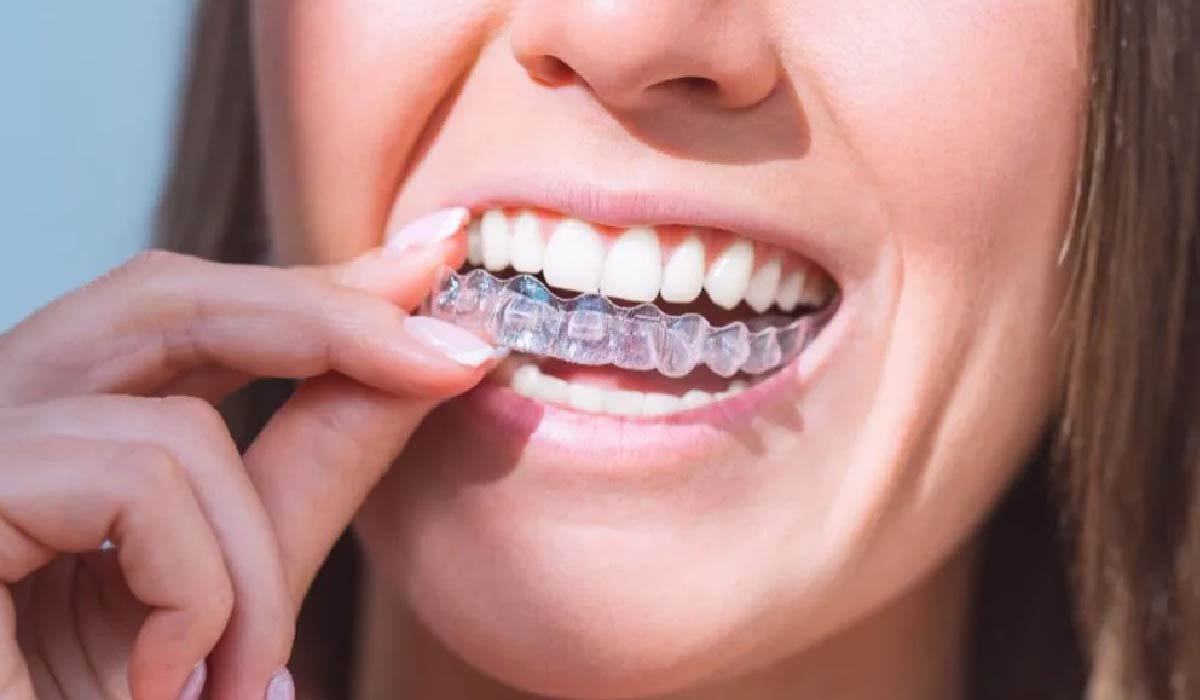
Clear aligners are removable trays designed to move teeth gradually under the guidance of a dental professional. Their appearance may be discreet, but wearing them still changes parts of an ordinary day. Meals, cleaning, conversations and travel can all require a little more planning. The details depend on your treatment plan, so it helps to ask practical questions before starting. What happens when you take the trays out for lunch? Where will you keep them at work? Thinking through those small moments offers a more useful picture of daily life than focusing on the trays alone.
Starting the day
A morning routine might begin with removing the aligners, having breakfast, brushing your teeth and cleaning the trays before putting them back in. Your clinician will give you specific instructions about wear time and care; following those instructions matters more than copying somebody else’s routine. Many people find it helpful to build aligner care around habits they already have, such as brushing after breakfast and before bed.
Keep the storage case somewhere you can reach it. Leaving trays loose on a bathroom shelf makes them easier to misplace, while wrapping them in a tissue can lead to an accidental trip to the bin. A case also gives you a consistent place to put them whenever you remove them during the day.
Meals and drinks need a plan
Because aligners are generally removed for meals, eating may take a little longer than simply sitting down with a sandwich. You need a clean place to put the trays and a chance to attend to your teeth before wearing them again. If you usually graze throughout the day, you may find yourself planning snacks more deliberately. That does not mean skipping meals; it means allowing enough time for the routine your dental professional recommends.
Ask your provider what you can drink while wearing the trays. Water is often the simplest option, while other drinks may raise concerns about staining or leaving sugars against the teeth. Hot drinks can also be unsuitable for the trays. If you enjoy a takeaway coffee on your commute, it is worth discussing how that habit fits with your treatment instructions rather than guessing.
Cleaning away from home
At home, access to a sink and toothbrush makes the routine straightforward. At a restaurant, on campus or during a shift, it may take more preparation. A small pouch with your case and recommended cleaning supplies can make the process less awkward. If brushing is not immediately possible, ask your clinician what they advise in that situation. Their guidance should take priority over improvised cleaning methods or products you have seen recommended online.
Tray care is not a substitute for looking after your teeth and gums. Follow the cleaning method you have been given for both your mouth and the aligners, and raise any persistent irritation or hygiene concerns with your dental team. A routine that seems manageable on a quiet weekend may feel different during a busy workday, so it is worth practising before you are rushing between appointments.
Speaking and being seen
Some people notice a temporary change in the way they speak when they first wear aligners or move to a new set. Reading aloud at home can help you become familiar with how they feel. If your job involves presentations, teaching or customer conversations, allow yourself time to adjust rather than assuming every day will feel identical. Discomfort that worries you, or a fit that does not seem right, deserves a call to your provider.
Social situations can bring smaller questions: where to remove trays before a meal, whether to carry your case to a wedding, or how to handle an unplanned afternoon tea. You do not owe anyone an explanation. Quietly having a plan can make those moments less distracting.
Work, sport and travel
Daily schedules rarely stay perfectly predictable. A long meeting may run into lunch, a train may be delayed, or a weekend away may mean sharing a bathroom. Before travelling, check that you have your current trays, case and any other items your clinician has told you to bring. If you are due to change sets while away, confirm the timing with your provider in advance.
For sport, do not assume aligners replace a protective mouthguard. Ask a dental professional about the appropriate protection for your activity, particularly if contact or impact is possible. The same principle applies to musical instruments and other activities that put pressure on the mouth: individual advice is more useful than a general rule.
Keeping track of treatment
Clear aligner treatment usually involves check-ins and a sequence of trays, but schedules and instructions vary. Your clinician may explain when to change sets, how to tell whether a tray is fitting as expected and what to do if one is lost or damaged. Save those instructions somewhere accessible. Trying to make up your own schedule after a missed day could create avoidable confusion.
A consultation about Invisalign clear aligners can establish whether the option suits your teeth and what monitoring would involve. Ask how often the clinician expects to see you, what happens if teeth don’t move as planned and when you would discuss additional stages or retainers. That conversation will give you a better picture of the time you need to allow.
Making the routine realistic
The easiest aligner routine is one that fits the life you actually lead. Think about your work breaks, access to a sink, regular travel and the times you tend to eat. Then bring those details to your consultation. A provider can explain where flexibility exists and where the treatment instructions need to be followed closely.
Clear aligners may look simple, but their day-to-day demands are practical rather than purely cosmetic. A storage case, a cleaning plan and clear professional guidance can make the routine easier to manage. Knowing what to expect gives you a better basis for deciding whether it suits you.
