

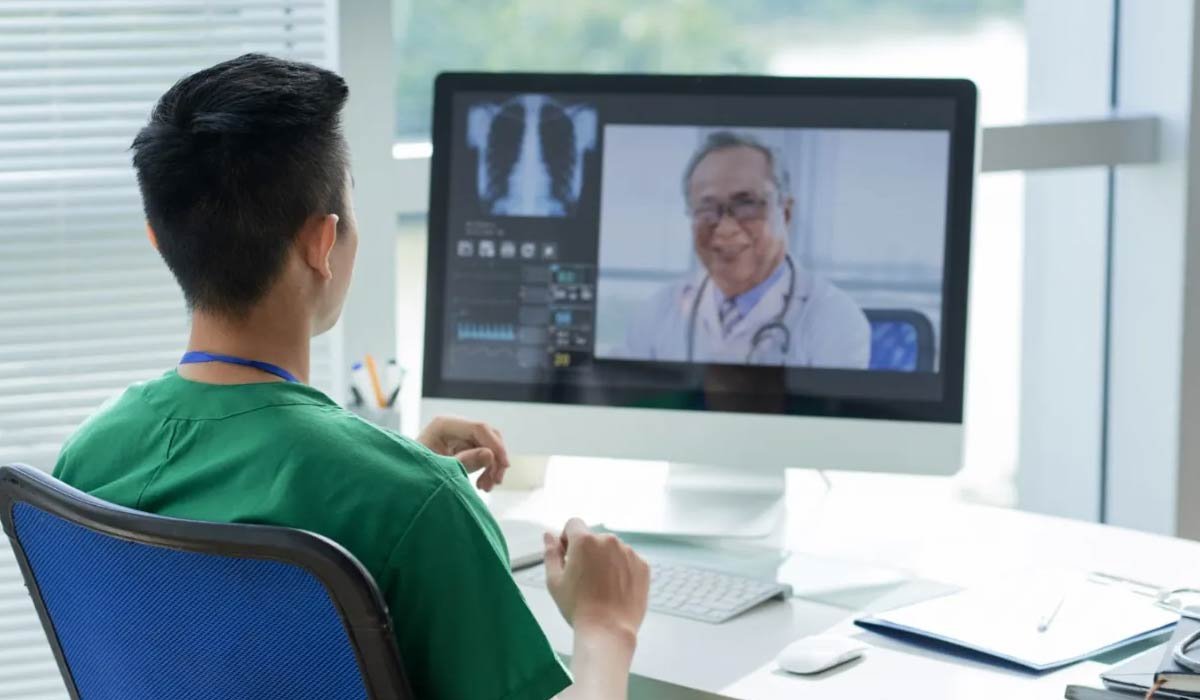
Not long ago, seeing a doctor meant booking days ahead, travelling to a clinic and sitting in a waiting room. Today, millions of people can start a consultation from their phone in a few minutes. Telemedicine has moved from a convenient extra to a regular part of how many people manage their health, and as 2027 approaches, that shift looks set to deepen.
This article looks at why virtual visits have become so familiar, what is changing, and what patients and providers should keep in mind.
From Emergency Fix to Everyday Habit
Telemedicine existed long before it became a household term, but it grew rapidly when people needed ways to reach doctors without visiting clinics in person. Once patients tried it, many kept using it. The reasons are simple:
- A visit from home removes travel time, parking and time off work.
- Many virtual appointments can be arranged much faster than in-person ones.
- Some patients find it easier to talk about their health in familiar surroundings.
- Follow-up conversations, prescription reviews and check-ins are easy to handle remotely.
What began as a temporary solution has become an expectation. Patients now ask whether they can book online, see a clinician by video and receive results digitally, the same way they handle banking or shopping.
Where Virtual Visits Work Best
Telemedicine is not a replacement for every type of care, but it suits a wide range of situations:
- Minor illnesses and common conditions, such as colds, rashes or allergies
- Follow-up appointments after treatment or surgery
- Medication reviews and prescription renewals
- Mental health support, including therapy and counselling
- Chronic condition check-ins, such as diabetes or blood pressure management
- Specialist consultations, especially for people living far from major hospitals
- Health advice and triage, helping patients decide whether they need to be seen in person
For urgent emergencies, physical examinations, imaging or procedures, in-person care is still essential. The best systems make it easy to move between virtual and in-person care as needed.
What Is Changing as We Head Into 2027
Several trends are shaping the next stage of virtual care.
Smarter digital tools
AI-powered features are becoming more common in healthcare apps. Symptom checkers can help patients describe their concerns, and automated tools can help clinicians organise notes and summaries. These tools are meant to support, not replace, clinical judgement, and patients should expect clear explanations of how they are used.
Connected devices
Wearables and home monitoring devices can share readings such as heart rate, blood pressure or glucose levels with care teams. This lets clinicians spot problems earlier and adjust treatment without waiting for the next appointment.
Better integration
Patients are tired of repeating their history at every appointment. Modern platforms increasingly connect with medical records, pharmacies, labs and billing, so information follows the patient and visits feel less fragmented.
Greater focus on access
Telemedicine is helping people who have historically struggled to reach care, including those in rural communities, people with mobility challenges, and busy caregivers. Making virtual care simple and inclusive remains a priority.
Clearer rules and expectations
Regulations around prescribing, licensing and data protection continue to evolve. Providers and patients alike benefit from clearer standards, and platforms need to keep pace with them.
What Makes a Telemedicine Experience Good?
Not all virtual care feels the same. Patients tend to value a few things above all:
- Easy booking. Finding a time and confirming it should take minutes.
- Stable video and audio. Poor connections undermine trust and make conversations harder.
- Privacy and security. Health information is deeply personal, so strong protection is essential.
- Simple interfaces. Apps should work for people of all ages and levels of tech comfort.
- Clear follow-up. Patients should know what happens next, whether it is a prescription, a test or another appointment.
- Human connection. Technology should make care feel more accessible, not more impersonal.
Behind these experiences is a great deal of careful engineering. Hospitals, clinics and health startups typically rely on dependable healthcare software solutions to bring together scheduling, video visits, records and communication in one secure environment.
Tips for Patients Using Telemedicine
If you are new to virtual visits, a little preparation helps:
- Test your connection and device before the appointment.
- Choose a quiet, private space where you can talk openly.
- Write down your symptoms and questions in advance.
- Have your medications and relevant records
- Check that the service is legitimate, with licensed clinicians and clear privacy policies.
- Know when to seek in-person or emergency care, and do not delay if symptoms are serious.
What Providers Need to Get Right
For clinics and healthcare organisations, offering telemedicine is no longer just about adding a video call. A strong virtual care service usually requires:
- Secure, compliant handling of patient data
- Integration with existing clinical and billing systems
- Reliable performance as patient numbers grow
- Easy-to-use tools for both clinicians and patients
- Ongoing updates as technology and regulations change
Because every organisation works differently, many choose to partner with an experienced telemedicine software development company to build platforms around their specific workflows and patient needs, rather than relying on one-size-fits-all tools.
Challenges That Still Need Attention
Telemedicine is not without limitations. Some patients lack reliable internet access or feel uncomfortable with new technology. Certain conditions cannot be properly assessed remotely. Privacy and security must be taken seriously, especially as more health data moves online.
The most successful services address these gaps by offering several ways to connect, such as video, phone and messaging, along with clear guidance and strong support for patients who need help.
Looking Ahead
By 2027, virtual doctor visits are likely to feel less like a special service and more like a normal option within healthcare. The focus is shifting from whether telemedicine works to how well it is delivered: how secure, how simple and how connected to the rest of a patient’s care.
For patients, that means more flexibility and easier access. For providers, it means building digital services that are as dependable as the care itself. The goal is not to replace the personal side of medicine but to remove unnecessary barriers, so more people can get the right care at the right time.
