

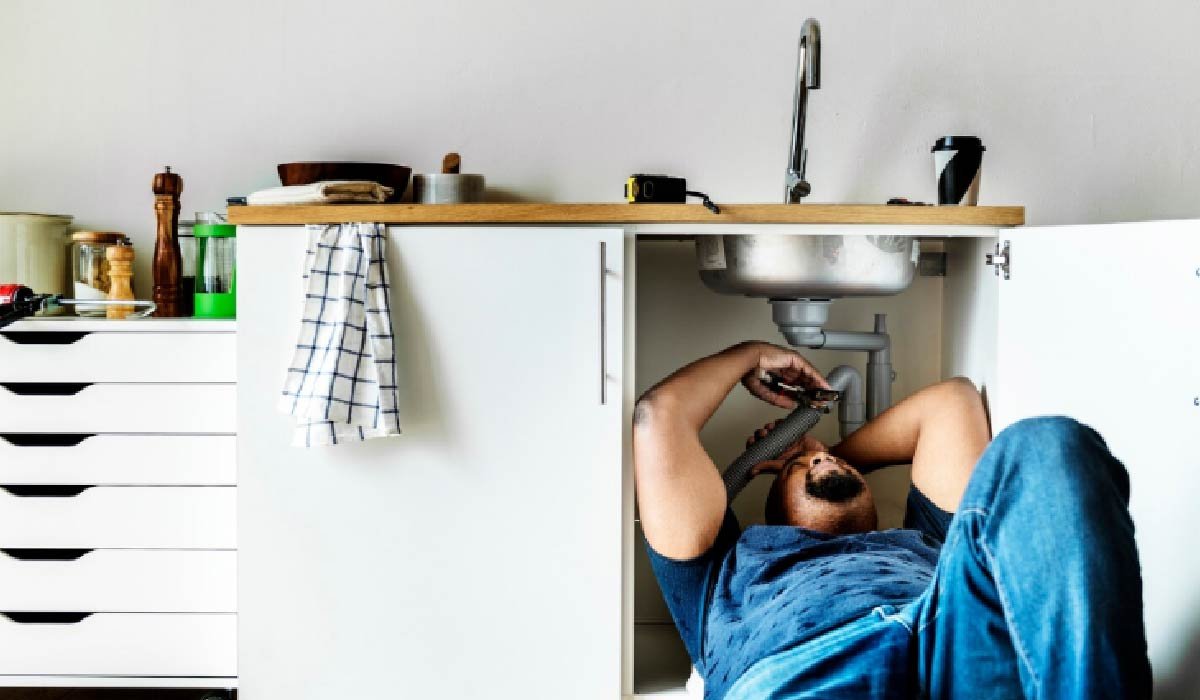
If a pipe bursts, a peaceful house can quickly become a scene of flooding. It is essential to act swiftly since water spreads rapidly. This article will give you information on how to proceed, what should be avoided, and when a plumber in Bristol needs to be called.
What Happens in the First Minutes After a Pipe Bursts
The water spurts out due to the pressure; therefore, a lot of water may be released within a very short time. Water seeps on the floor, runs behind the walls and drops from the ceiling. Panic is the last thing one needs. With some calmness and an effective plan of action, you can prevent further damage until the experts arrive.
Stay calm and assess
Take a deep breath and find the source. Look whether water is coming from a pipe, from a tank, or from an appliance. Keep children and pets away from wet areas. This will help you understand how to react at once.
Protect people first
Safety always precedes any material possessions. Never come into contact with standing water in the vicinity of any sockets or switches. Floors are slippery when wet, so tread carefully. If the ceiling looks like it’s bulging out or sagging down, remove people from there.
How Fast Water Damage Spreads Through a Home
Water flows both downwards and outwards. It makes the carpets wet, penetrates through absorbent plaster, up walls and gets into the floor joists. Water gets spread throughout the house within an hour or two and makes the rooms wet which are not adjacent to the burst pipe. The building materials of chipboard and plasterboard expand fast and become soft. Quick response prevents further damage from spreading outwards in different directions rather than in one direction. Houses equipped with carpets, open-plan structures or basements are expected to have quick spread of water.
Floors and ceilings
The water gets through the floorboards and the ceiling. The wooden floor gets warped and the laminate gets peeled off along its edge. The ceilings get stained, bubble and finally collapse. Controlling the movement of the water prevents further spreading of the water downwards.
Walls and hidden spaces
Plaster is a very absorbent material. The moisture flows up the wall and spreads behind the skirting boards and cupboards. The moisture problem becomes invisible. Costs of repairs and unpleasant odor are going to persist for a long time even after the puddles dry.
Why You Should Shut Off the Water Supply Straight Away
Stopping the water flow is the most critical action. Without stopping the flow, the pipe will continue supplying water. Every additional minute is costly. Find the location of your stopcock before an emergency happens because searching for it during an emergency is a waste of valuable time. Make sure that everybody in the household knows about the location of the stopcock.
Find your stopcock
The stopcock is usually found under the kitchen sink, utility room, or near the front door. To shut off the flow, turn the valve clockwise. If it is difficult to turn, apply constant pressure. Check it every year for proper operation.
Drain the system
After turning off the stopcock, turn on all cold taps to allow drainage of any remaining water. Flush the toilet one or two times. In case of bursting hot water pipes, turn off the boiler or immersion heater.
Electrical Dangers When Water Meets Wiring
The two are a deadly combination, with leaks entering sockets, lighting fixtures and electrical appliances. Do not make assumptions here; always be safe in dealing with electricity where there is water present. It is best to exit the area and get help where there is doubt.
Switch off power safely
If the consumer unit is accessible without crossing through wet surfaces, the electricity should be switched off at once. Never try to handle any switch or appliance with wet hands. Avoid the consumer unit if the area is wet and get help from a qualified electrician or emergency services.
Check before reconnecting
It is important that power is restored only after the wiring has been inspected by a qualified electrician. Water can cause damage to the wires which will not be visible as they run inside walls. It is much cheaper to have a professional inspection carried out than to have an electrical fire or injury.
How Quick Action Protects Floors Walls and Furniture
A quick response will be cost-effective. Cleaning, extraction of rugs, and furniture relocation will help prevent permanent damage to your floor such as discoloration and warping. Standing water is dangerous for your solid wood furniture and appliances. In the first hour, either you’ll have to deal with a minor cleaning or buy new items. It is also good for your insurer that you respond to the situation reasonably and wisely.
Move valuables first
Get your valuable belongings out of the reach of water. You should place them on a higher floor in a dry room if it is feasible. Photos, passports, computers, and other irreplaceable belongings are more important than the furniture.
Soak up and dry out
Take all your mops, towels, and buckets to remove water. If the weather conditions allow you to do so, open doors and windows. Use your dehumidifier if you have one.
The Hidden Risk of Mould After Water Damage
The mould will begin developing within one to two days in a moist and warm environment. The mould grows on walls, ceilings, and soft furnishings. Mould causes breathing difficulties and allergic reactions, not forgetting its unpleasant odour. Rapid drying is the only preventive measure, and prevention is always cheaper than cure. You can reduce the chance of mould by following the steps below:
- Remove any moist carpeting and soft furnishings.
- Open windows and ensure there is good air flow through the use of fans and dehumidifiers.
- Clean any solid surfaces using a suitable product and ensure they are completely dry.
- Check under the skirting boards for any sign of moisture.
Monitor for the presence of any dark spots or peeling paint in the next few weeks.
Who is most at risk
It is the young ones, old folks, and those suffering from asthma or allergies who will notice mould symptoms first. Any individual in your house suffering from any breathing disorders should be watched out for carefully. Seek expert advice if such symptoms come up after leaking.
When to call a specialist
Large areas of mould growth or dampness require professional intervention. Experts make use of industrial equipment to dry the structures and moisture tests inside the walls. Large areas cannot be scrubbed by oneself since they may lead to dispersion of spores.
Steps to Take While You Wait for a Plumber
Time is reduced when you get prepared for the arrival of help. Once the water is turned off, and the surroundings are made safe, it becomes important to control damages and gather information to facilitate the plumber in diagnosing and fixing the problem more easily. Be available on your cell phone and ensure that the front door remains open.
Reduce further damage
Keep buckets under dripping pipes and towels along the wet areas. In case the ceiling appears swollen, be safe yourself and request the professionals to handle the situation because there is always a chance that the ceiling collapses. Keep the water away from the electric fittings and wiring.
Prepare for the visit
Get easy access to the pipe, stopcock, and consumer unit. Record the time when the leakage started and how it happened. Inform the plumber about previous repairs, freezing weather, or any recent work done at home.
How to Document Damage for Your Insurance Claim
Good evidence backs your claim. Photograph and videotape the burst pipe, the water, and all the damaged items before cleanup. Save the receipts from any urgent repairs.
An experienced emergency plumbers Bristol will be able to provide a written report about the problem and repairs made. All your paperwork should be in one place, either paper or electronic.
Photos and notes
Take photographs of the damaged parts from all sides and up close as well. Note the date and time as well. Write down the list of damaged parts along with their age and cost. Write them down when your memory is fresh as they may fade very soon.
Talk to your insurer early
Contact your insurance company once things settle down. Check what kind of insurance you have and how much they will pay for repairs. Don’t dispose of the damaged parts before then.
When to Call an Emergency Plumber or a Restoration Team
Call a plumber if you can’t stop the leaking water, if it’s coming from within a wall, or if it seems like a severe problem. Call a restoration company if water has affected your property, carpeting, or any large areas. Both professionals are important, and many floods require both. Find out what each can do so there are no gaps or overlap between services.
Signs you need a plumber
Call a plumber if the leak continues after turning off the stopcock, if it’s leaking through a wall, or if the pipes seem to be broken or corroded. Any plumbing repairs that are close to boilers or tanks should be done by a professional.
Signs you need drying help
Call a restoration company if the floor is still wet after cleaning, if there are dark patches on the walls, or if you have a musty smell a few days later.
Simple Ways to Prevent Burst Pipes in the Future
Prevention is always better than cure. Bursting of pipes generally results from freezing, corrosion, and high pressure. Inspect your pipes during autumn; lag the exposed sections of the pipes; mend leaking faucets; just a few simple jobs can save you from huge costs and a lot of stress in future. This will also ensure that your insurance coverage is in good shape because insurance companies prefer properly maintained homes.
Protect pipes from the cold
Insulate the pipes in the attic, garage, and sheds. Ensure that there is low heating throughout winter even when no one is there. Open the loft hatch during the night time in winter in order for warm air to get to the water heater and pipes.
Maintain and inspect
Watch out for corrosion in the form of rust, green discoloration, and wet areas around connections. Mend cracked pipes. Get your boiler and pipes examined every year. Know the location of the main valve and inform all other people in the household where it is.
Conclusion
Burst pipes are nerve-wracking, but acting fast will minimize the damage. Stop the flow of water, ensure people are safe, document everything, and contact the appropriate person. Prepare yourself for such occurrences by locating your stopcock and wrapping up your pipes before winter. Stay calm and move fast to save yourself.
