

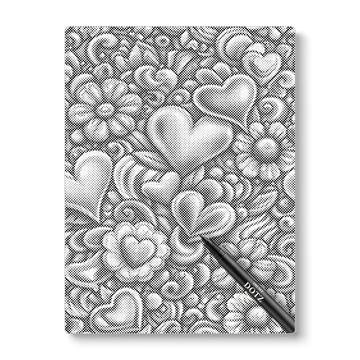
Dot painting is an artistic technique that uses individual dots of paint to create patterns, images, textures, and intricate compositions. Although the method appears simple, it requires careful control of spacing, colour, shape, and repetition. From traditional Indigenous Australian artworks to contemporary mandala designs, dot-based techniques have developed into diverse artistic practices with distinct cultural meanings and creative applications.
What makes dot painting particularly interesting is its ability to transform a basic mark into a detailed visual language. A single dot may seem insignificant, but when repeated in carefully planned arrangements, it can produce complex patterns, suggest movement, and create a sense of balance.
Understanding the origins and techniques behind this art form helps explain why it continues to attract artists, craft enthusiasts, and people interested in decorative painting.
What Is Dot Painting?
Dot painting is an art technique in which small, individual marks of paint are arranged to create larger images, patterns, or decorative compositions. Artists use different dot sizes, colours, and spacing to produce visual depth, symmetry, and texture.
Unlike conventional painting, which often relies on continuous brushstrokes, dot-based artwork is built through repeated applications of paint. The dots can be arranged in straight lines, circular formations, geometric shapes, or free-flowing patterns.
The technique can be used on various surfaces, including:
- Canvas and wooden panels
- Paper and cardboard
- Ceramic plates and pottery
- Stones and decorative objects
- Fabric and other suitable craft materials
One distinctive feature of dot painting is its flexibility. Artists can create minimalist compositions using only two colours or develop elaborate designs containing thousands of carefully positioned dots.
The final appearance depends on several factors, particularly the size of the applicator, paint consistency, surface texture, and distance between individual marks.
The Cultural Origins of Dot Art Painting
Dot art painting has connections to different artistic traditions around the world. However, its cultural origins should not be treated as one universal history. Indigenous Australian art, Buddhist mandala traditions, and contemporary decorative dot painting have different historical backgrounds and symbolic purposes.
Indigenous Australian Dot Painting
Indigenous Australian art includes some of the most widely recognised examples of dot-based visual expression. In particular, artists from Australia’s Western Desert communities developed distinctive painting styles using dots, lines, and symbols to communicate cultural knowledge and connections to Country.
The contemporary Western Desert painting movement became internationally recognised during the 1970s, particularly through the Papunya Tula artists’ movement in central Australia.
Artists used visual elements such as concentric circles, tracks, animal footprints, and other symbols to represent aspects of traditional knowledge, places, journeys, and stories.
Dots also served practical artistic purposes. They could create texture, add visual complexity, and help obscure or protect certain sacred designs and knowledge from unrestricted viewing.
It is important to recognise that Indigenous Australian art is not simply a decorative technique. Its meaning is connected to specific communities, cultural responsibilities, and traditions. Not every Indigenous artwork uses dots, and not every dot painting carries the same symbolism.
Mandala Traditions and Geometric Art
Mandala art has a different cultural background. The word mandala comes from Sanskrit and is commonly translated as circle. In Hindu and Buddhist traditions, mandalas are used in spiritual, ritual, and contemplative practices.
Traditional mandalas often feature geometric arrangements, concentric circles, squares, and carefully balanced shapes. Tibetan Buddhist sand mandalas, for example, are created through detailed arrangements of coloured sand and are associated with particular religious teachings and practices.
Although traditional mandalas are not necessarily created through dot painting, their geometric structures have influenced many contemporary dot-based designs.
Modern artists frequently combine circular mandala layouts with repeated dots to create symmetrical decorative compositions. This contemporary approach is commonly known as mandala dot art.
The Development of Contemporary Dot Painting
Modern decorative dot painting has expanded beyond its historical and cultural contexts. Artists now use dotting techniques in canvas painting, home decoration, jewellery design, pottery, and mixed-media projects.
The availability of specialised dotting tools and acrylic paints has also made the technique more accessible to beginners.
However, contemporary decorative dot painting should be distinguished from culturally specific Indigenous and religious art traditions. Similar visual patterns do not automatically share the same meanings or origins.
Essential Techniques Used in Dot Painting
Dot painting relies on precision and repetition, but artists do not need advanced painting skills to begin. Learning a few foundational techniques makes it easier to control dot placement and develop more complex compositions.
1. Basic Dotting Technique
The basic dotting technique involves applying small amounts of paint to a surface using a pointed or rounded tool.
A dotting stylus, the rounded end of a paintbrush, or a cotton swab can be used depending on the desired size.
For consistent results:
- Dip the rounded tool lightly into acrylic paint.
- Hold it perpendicular to the painting surface.
- Apply gentle, even pressure.
- Lift the tool vertically to avoid dragging the paint.
- Reload the tool before the dots become uneven.
Beginners should practise on scrap paper before working on their final surface. This helps develop consistent pressure and spacing.
2. Concentric Circle Technique
Concentric circles are among the most recognisable arrangements in decorative dot painting. They consist of multiple circles sharing the same central point.
Artists begin with a central dot and gradually create surrounding rings using different dot sizes and colours.
For example, a composition might include a large central white dot, followed by smaller blue dots, a ring of yellow marks, and an outer border of alternating colours.
The technique works particularly well for circular decorative designs because it creates a clear focal point and a balanced visual structure.
3. Gradient Dotting
Gradient dotting creates the appearance of colour transitions through gradual changes in dot colour, size, or density.
An artist might arrange dark blue dots near the centre and progressively introduce lighter shades toward the outside.
There are two common approaches:
- Colour gradient: Gradually change the paint colour while maintaining similar dot sizes.
- Size gradient: Use larger dots in one area and progressively smaller dots in another.
This technique adds depth without requiring traditional shading or blending.
4. Layering and Overlapping Dots
Layering involves placing additional dots around or between existing marks to create more detailed compositions.
For example, an artist might first establish a circular pattern using large dots, allow the paint to dry, and then add smaller dots in the spaces between them.
The key is to avoid overcrowding. Leaving some negative space between patterns helps individual shapes remain visible and prevents the composition from looking visually confusing.
Tools and Materials Needed for Dot Painting
The quality of dot painting depends partly on the materials used. Beginners do not need an expensive collection of equipment, but selecting suitable tools can make the process considerably easier.
| Material | Purpose |
| Acrylic paints | Provide colour and suitable consistency for many dotting projects |
| Dotting styluses | Create dots in different sizes |
| Canvas or wooden panels | Provide a stable painting surface |
| Paintbrushes | Help apply backgrounds and larger details |
| Palette | Keeps colours organised and accessible |
| Pencil and ruler | Help plan symmetrical patterns |
| Varnish | Protects suitable finished paintings |
Acrylic paint is a popular choice because it dries relatively quickly and is available in a wide range of colours. However, paint that is too thick may produce raised, uneven marks, while excessively thin paint can spread beyond the intended shape.
For beginners, practising with a few colours and three or four different dotting-tool sizes is usually more useful than purchasing a large collection of materials.
How to Create a Dot Painting: A Step-by-Step Guide
Creating a balanced dot painting becomes easier when the composition is planned before applying paint. A simple circular design is a good starting point because it allows beginners to practise spacing, symmetry, and dot consistency.
Step 1: Prepare the Surface
Choose a suitable surface, such as a canvas or wooden panel. Apply a background colour if required and allow it to dry completely.
A smooth, properly prepared surface helps dots maintain their shape.
Step 2: Mark the Centre
Use a pencil and ruler to identify the centre of the surface. For circular designs, lightly mark several guide circles around this point.
These guides help maintain symmetry and prevent patterns from gradually shifting in one direction.
Step 3: Select a Colour Scheme
Choose a limited colour palette before starting. Three to five complementary colours are generally enough for a beginner project.
Consider how light and dark colours will interact. Contrasting shades can make individual dots stand out, while similar shades create a softer appearance.
Step 4: Apply the Main Dots
Begin with the central point and work outward. Use larger dots for the main structure and smaller dots for supporting details.
Allow sufficient space between marks, particularly when using wet acrylic paint.
Step 5: Add Decorative Details
Once the initial pattern has dried, fill selected spaces with smaller dots, additional circles, or repeated geometric arrangements.
Step back occasionally to check whether the composition looks balanced from a distance.
Step 6: Allow the Artwork to Dry
Let the painting dry completely before applying a protective finish. If you plan to use varnish, follow the manufacturer’s drying and application instructions.
Mandala Dot Art: Patterns, Symmetry, and Design
Mandala dot art combines the repetitive nature of dotting with the geometric structure of mandala-inspired compositions. It commonly features a central focal point surrounded by multiple circular layers containing repeated shapes and carefully arranged dots.
Symmetry is one of its defining characteristics. Each section of the design generally follows a consistent arrangement, helping the finished artwork appear organised and balanced.
Some common design elements include:
- Concentric rings: Circular layers arranged around a central point.
- Petal patterns: Repeated dots that create flower-like shapes.
- Geometric borders: Lines of dots forming triangles, squares, and other shapes.
- Colour repetition: Reusing selected colours throughout the composition.
- Negative space: Empty areas that prevent the design from becoming overcrowded.
Artists exploring this style can examine different Mandala dot art compositions to understand how colours, circular arrangements, and repeated patterns work together.
One useful design exercise is to divide a circle into eight equal sections and repeat the same pattern in each section. This creates a basic radial structure that can later be developed into more elaborate compositions.
Common Mistakes to Avoid When Dot Painting
Even relatively simple dot paintings can become difficult to manage when basic techniques are overlooked. Understanding common mistakes helps artists achieve more consistent results.
Using too much paint: Excess paint can cause dots to spread or lose their rounded shape. Wipe excess paint from the tool before applying each mark.
Inconsistent pressure: Applying different levels of pressure creates uneven dot sizes. Practise using a consistent hand movement.
Ignoring spacing: Dots placed too closely together can merge, particularly when the paint is wet. Leave enough room for each mark to retain its shape.
Using too many colours: An unrestricted colour palette can make a design appear disorganised. Select a few complementary shades and repeat them throughout the composition.
Skipping surface preparation: Dust, uneven textures, and poorly prepared surfaces can affect paint adhesion and dot consistency.
Why Dot Painting Remains Popular in Contemporary Art
Dot painting continues to attract interest because it combines accessibility with considerable creative flexibility. Beginners can create simple patterns using basic materials, while experienced artists can develop highly detailed compositions through advanced layering and geometric arrangements.
The technique also offers opportunities to experiment with different surfaces, colour combinations, and decorative styles. A single method can produce artwork ranging from minimalist designs to intricate circular compositions.
Another reason for its continued appeal is the balance between structure and creativity. Repeated patterns provide a framework, but artists still have freedom to experiment with scale, colour, and arrangement.
Contemporary dot painting also demonstrates how traditional artistic ideas can inspire new forms of visual expression without requiring every modern interpretation to share the same cultural meaning.
Final Thoughts
The art of dot painting demonstrates how simple marks can become complex visual compositions through repetition, planning, and careful technique. Its development across different artistic traditions reflects a variety of cultural histories, from Indigenous Australian visual storytelling to geometric mandala practices and contemporary decorative painting.
For beginners, mastering basic dotting, concentric circles, colour transitions, and spacing provides a practical foundation. More advanced artists can build on these techniques through layering and intricate symmetrical arrangements.
Whether used for personal artwork, decorative projects, or detailed mandala-inspired compositions, dot painting remains a versatile technique that rewards patience, precision, and experimentation.
