

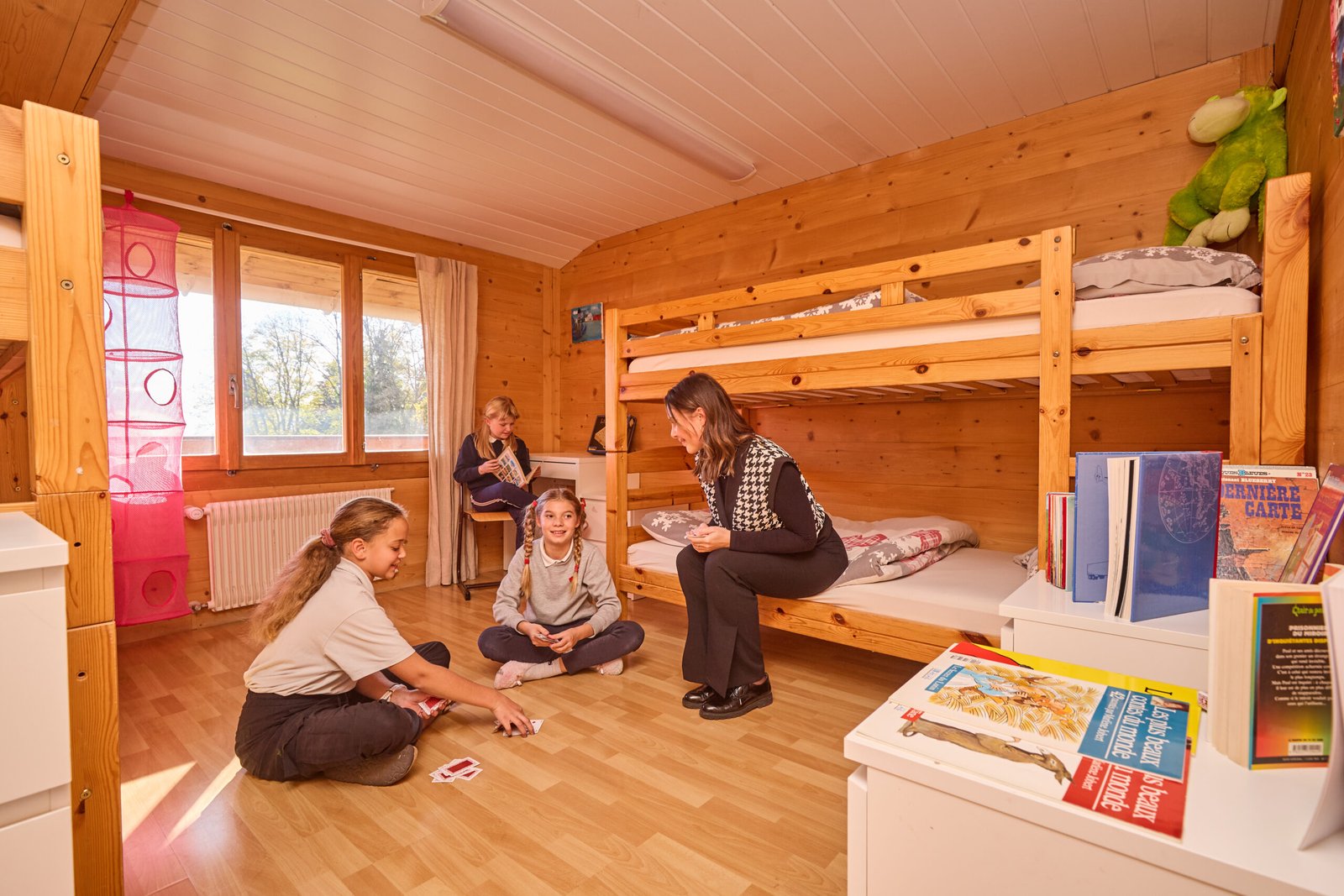
Choosing an elite boarding school in Switzerland is as much about matching values and lifestyle as it is about academics. Families who begin this journey often seek an environment that combines rigorous curriculum, strong pastoral care, and opportunities for character development. The country’s long-standing reputation for excellence and its scenic campuses make it an attractive choice, but the best outcomes come from thoughtful preparation, realistic expectations, and clear communication between parents, students, and schools.
Understanding What Sets Schools Apart
Not all institutions labeled “elite” offer the same culture or strengths. Some focus intensely on traditional academic pathways and university placement, others emphasize international curricula such as the International Baccalaureate, while a few integrate vocational training or specialized arts and sports programs. Language offerings vary too: many campuses operate bilingually or provide robust language-acquisition support to help non-native speakers thrive. Parents should look beyond rankings to assess teaching philosophy, average class size, faculty stability, and the types of learners who flourish at a particular school. A child’s personality—whether they are introverted or sociable, self-directed or in need of structure—should inform the fit as much as reputation.
The Role of Campus Visit and Immersive Experiences
Nothing replaces time spent on campus. Visits allow families to observe daily routines, meet faculty, and gauge the quality of boarding accommodation and dining. If an in-person visit is impossible, many schools now offer immersive virtual tours and sample lessons; however, these should be complemented with conversations with current parents and students. Organized trial stays or short-term summer programs give a prospective student an invaluable feel for dorm life, roommate dynamics, and school pace. During a visit, pay attention to how pastoral staff interact with students, the ease of access to health services, and whether extracurricular facilities are actively used rather than merely impressive on paper.
Admissions, Assessments, and Preparing an Application
Elite Swiss boarding institutions typically have a multi-stage admissions process: an application form, submission of academic records, teacher references, an interview, and sometimes written or online assessments. Schools look for academic potential as well as personal qualities like resilience, curiosity, and cooperative spirit. Preparing a candid profile that showcases strengths while acknowledging areas for growth helps admission teams place students where they will thrive. Families should start the application process early, gather up-to-date academic reports, and prepare students for interviews by discussing their interests, goals, and reasons for choosing a boarding environment.
Financial Considerations and Scholarships
Tuition, boarding fees, and additional costs for activities, uniforms, and travel can be substantial. Transparent budgeting involves accounting for unexpected expenses, termly travel, and extracurricular fees. Many institutions offer scholarships or bursaries based on academic merit, talent, or financial need. Scholarship deadlines and application requirements often differ from standard admissions timelines, so it is vital to inquire early. Some schools also provide flexible payment plans or family-oriented financial guidance. Understanding the true total cost helps families compare options on a like-for-like basis and prevents surprises once a child is enrolled.
Pastoral Care, Health Services, and Wellbeing
A hallmark of quality boarding institutions is comprehensive pastoral care. Look for dedicated houseparents, access to counseling services, clear medical protocols, and a culture that normalizes asking for help. Mental health support should be integrated into student life rather than available only in crisis. Schools that proactively teach emotional intelligence, conflict resolution, and stress management equip students for academic challenges and life beyond the campus. Additionally, inquire about on-site medical facilities and procedures for emergencies, the nurse-to-student ratio, and how schools manage chronic health needs or dietary restrictions.
Guardianship, Communication, and Family Transitions
For international students, a local guardian is often required. Guardianship arrangements should clarify who is responsible during holidays, for emergencies, and for liaising with school staff. Regular, transparent communication between school and family eases transitions. Establishing predictable routines for calls, updates, and termly reports helps parents feel connected without undermining a student’s independence. Preparing families for the emotional aspects of separation—homesickness, cultural adjustment, and differing disciplinary styles—can be as important as logistics. Schools that offer family orientation sessions, parent networks, and alumni contact lists help make the ongoing relationship more supportive.
Beyond Graduation — Long-Term Outcomes and Alumni Networks
The value of an elite Swiss boarding education often becomes evident in long-term outcomes. Strong university counseling, internships, and mentorship programs create pathways to top universities and careers. Alumni networks provide professional connections, mentoring opportunities, and a sense of lifelong belonging. When evaluating an institution, ask about university matriculation records, career services, and how the school tracks and supports graduates. A school’s commitment to ongoing development—through alumni events, continued access to career resources, or national and international partnerships—reinforces the notion that boarding education extends beyond a diploma.
Making a Family-Centered Decision
Selecting the right school is ultimately a family decision that balances academic ambition with social and emotional wellbeing. Parents who involve their child in research, visits, and candid conversations about expectations tend to make more sustainable choices. Trust instincts about fit: a majestic campus does not guarantee a nurturing environment, and a smaller school may offer richer individual attention. For many, the most effective path begins with thorough research and a willingness to ask difficult questions about each institution’s strengths and limitations.
Many international parents research Swiss Boarding Schools as part of this process, but the most important measure is how a school aligns with a child’s needs and a family’s values. The right match can offer an environment where a student grows academically, socially, and personally—equipped not just for university, but for a life defined by curiosity, resilience, and confidence.
