

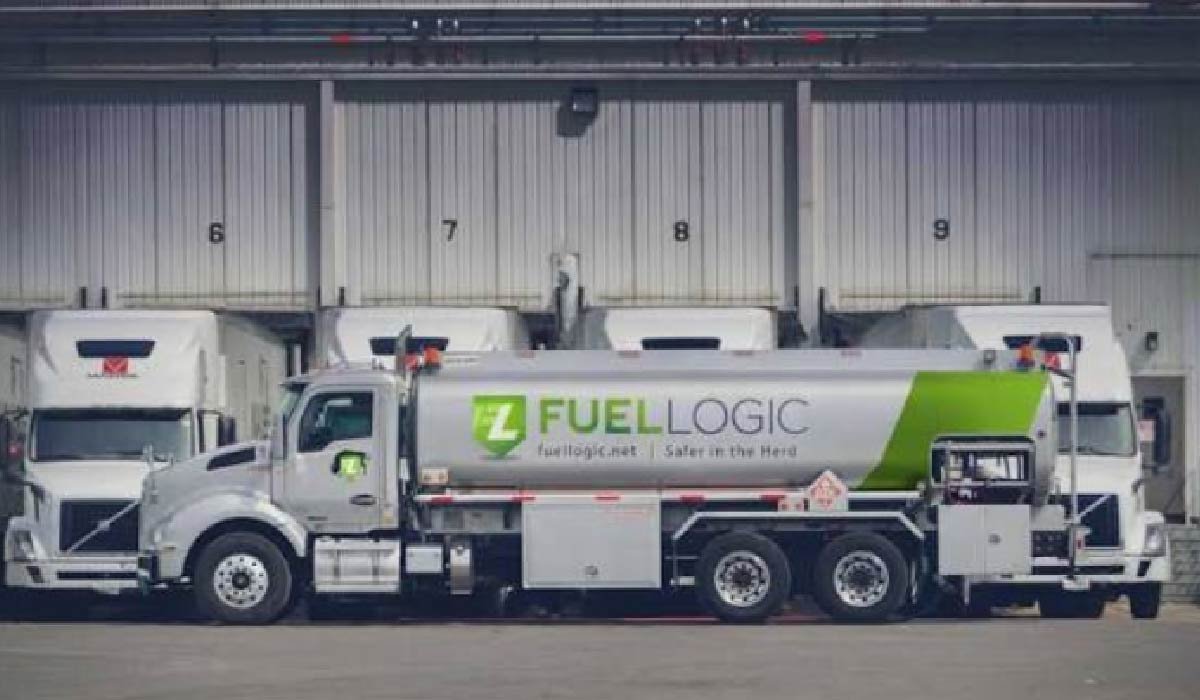
Running out of fuel at the wrong moment can bring an entire operation to a halt. Whether it’s a fleet of delivery trucks, construction equipment on a job site, or backup generators keeping critical systems online, fuel is the lifeblood of countless industries. Yet sourcing it reliably, safely, and without disrupting daily operations remains a persistent challenge for many businesses.
That’s where modern fuel logistics solutions come into play. Companies no longer need to send drivers off-site to wait in line at a gas station or risk running dangerously low on diesel before a big job. Instead, fuel can now come directly to wherever it’s needed, on a schedule that fits the business rather than the other way around.
Fuel Logic has built its reputation around solving exactly this problem. By bringing fuel directly to job sites, fleets, and facilities, the company helps businesses stay productive without the headaches of traditional fuel sourcing. This post explores how on-site fuel services work, why they matter, and what to look for when choosing a provider you can trust.
Why Businesses Are Rethinking How They Source Fuel
For decades, the standard approach to fueling vehicles and equipment was simple: drive to a station, fill up, and get back to work. But as fleets grow larger and job sites become more remote, this model starts to show its cracks.
Every minute a driver spends waiting at a pump is a minute not spent generating revenue. Multiply that across a fleet of twenty, fifty, or a hundred vehicles, and the lost productivity adds up fast. Construction sites face a different but equally frustrating issue: heavy equipment often can’t be easily moved to a fuel source, meaning operators either shut down machinery to refuel elsewhere or risk running dry mid-task.
There’s also the matter of unpredictability. Fuel prices fluctuate, supply can be inconsistent in certain regions, and emergencies like storms or equipment failures can create sudden spikes in demand. Businesses that rely solely on traditional fueling methods often find themselves scrambling when conditions change unexpectedly.
How On-Site Fuel Delivery Works
The concept is straightforward: rather than sending vehicles or equipment to the fuel, the fuel comes to them. A provider like Fuel Logic coordinates scheduled or on-demand drops at a business’s location, whether that’s a construction site, warehouse, fleet yard, or event venue.
Here’s a general breakdown of how the process typically unfolds:
- Assessment and Planning
A provider evaluates the client’s fuel needs based on fleet size, equipment type, job site location, and consumption patterns. This helps determine how much fuel is needed and how often. - Scheduling
Businesses can often choose between recurring deliveries (daily, weekly, or monthly) or on-demand requests for unexpected needs. This flexibility means companies aren’t locked into a rigid schedule that doesn’t match their actual usage. - Delivery and Dispensing
Trained technicians arrive with specialized tankers equipped to dispense fuel safely into vehicles, generators, or storage tanks. This eliminates the need for employees to handle fuel transfer themselves, reducing safety risks. - Documentation and Tracking
Many providers offer detailed reporting on fuel usage, delivery times, and costs. This data can help businesses optimize their fuel budgets and spot inefficiencies over time.
Who Benefits Most From This Model?
While almost any fuel-dependent business can benefit from on-site delivery, a few industries see particularly strong advantages.
Construction companies often operate in locations without easy access to fuel stations. Excavators, generators, and other heavy machinery need a steady fuel supply to keep projects on schedule, and delays due to fuel shortages can be costly.
Transportation and logistics companies manage large fleets that spend significant time on the road. Reducing the need for drivers to detour for fuel stops can shave hours off delivery routes and improve overall efficiency.
Event organizers frequently need temporary power solutions, which means generators that require consistent fuel throughout multi-day events. Having fuel delivered directly to the venue removes one more logistical headache from an already complex planning process.
Emergency response teams and backup power systems rely on fuel availability during critical moments, often when traditional supply chains are disrupted. Having a dependable delivery partner on call can make a significant difference when timing matters most.
What to Look for in a Fuel Delivery Partner
Not all providers offer the same level of service, so businesses should consider a few key factors before choosing one.
Reliability should be at the top of the list. A provider’s ability to show up on time, every time, directly impacts a business’s ability to operate smoothly. Flexibility matters too. Businesses with fluctuating fuel needs benefit from providers who can accommodate both scheduled deliveries and urgent, last-minute requests.
Safety credentials and proper licensing are non-negotiable. Fuel handling involves serious risk, and a reputable provider should follow strict safety protocols and maintain the necessary certifications for transporting and dispensing fuel.
Finally, transparency around pricing and reporting helps businesses budget accurately and avoid unpleasant surprises. Providers who offer clear documentation make it easier to track spending and identify opportunities for cost savings.
Keeping Operations Running Without the Guesswork
Fuel delivery solutions that keep business operations running smoothly provide dependable access to fuel whenever and wherever it’s needed. Fuel Logic was designed with this exact need in mind, offering scheduled and on-demand services that keep fleets, job sites, and backup systems operating without interruption. Instead of worrying about fuel shortages or sending employees off-site to refuel, businesses can focus their time and energy on the work that actually drives growth.
As industries continue to expand into more remote or time-sensitive environments, the demand for flexible fuel solutions will only increase. Companies that adapt early, by partnering with a dependable fuel delivery provider, position themselves to avoid costly downtime and keep their operations moving forward, no matter where the work takes them.
If fuel logistics have been a recurring headache for your business, it might be time to explore a service built to eliminate that stress entirely.
