

Few things disrupt the comfort of home life faster than discovering ants marching across your kitchen counter or hearing the telltale scratch of rodents in the attic. Pests don’t just make your skin crawl — they can compromise the structural integrity of your property, spread disease, and turn a peaceful household into a stressful one. That’s why more homeowners are turning to trusted experts rather than relying on store-bought sprays and traps that only offer temporary relief.
Bingham Pest Control has built a reputation on solving these problems permanently, not just masking them. With a team that understands the behavior, biology, and breeding patterns of common household pests, Bingham Pest Control delivers solutions that actually work — and keep working long after the technicians leave.
This article breaks down why professional pest management matters, what pests pose the greatest risk to your home, and how working with specialists can save you time, money, and peace of mind.
What Pests Commonly Invade Homes and Businesses?
Every region has its own set of unwelcome visitors, but a handful of pests tend to cause the most trouble across properties of all types.
Ants are among the most persistent invaders. A single colony can number in the thousands, and once they find a reliable food source, they’ll keep coming back. Carpenter ants are especially concerning because they tunnel through wood, weakening structural beams over time.
Rodents, including mice and rats, are notorious for chewing through wiring, insulation, and stored food. Beyond the physical damage, they carry pathogens linked to serious illnesses, making their presence a genuine health hazard.
Termites cause billions of dollars in property damage every year because they work silently, often going undetected until the damage is extensive. By the time visible signs appear, repairs can be costly.
Cockroaches thrive in warm, moist environments and are known carriers of bacteria and allergens that can trigger asthma and other respiratory issues, particularly in children.
Bed bugs have made a notable comeback in recent years, hitching rides in luggage, furniture, and clothing. Once established, they’re notoriously difficult to eliminate without professional intervention.
Each of these pests requires a different approach, which is exactly why a one-size-fits-all solution rarely works.
Why DIY Methods Often Fall Short
It’s tempting to grab a can of insecticide or set a few traps when you first notice a pest problem. These methods can offer short-term relief, but they rarely address the root cause.
Store-bought treatments typically target visible pests rather than the colonies, nests, or entry points fueling the infestation. Spraying a few ants, for example, does nothing to eliminate the queen or the dozens of worker ants still hidden behind your walls. Similarly, rodent traps might catch a mouse or two, but if there’s an unsealed gap under your foundation, more will keep finding their way in.
DIY treatments can also pose risks when used incorrectly. Overuse of chemical sprays in enclosed spaces can affect indoor air quality, and improper placement of bait stations can put pets or children at risk. Without the training to identify pest species accurately, it’s easy to misdiagnose the problem and waste time, money, and effort on the wrong solution.
How Does Professional Pest Management Actually Work?
A well-executed pest management plan starts with a thorough inspection, not a guess. Trained technicians assess the property to identify entry points, nesting sites, and the specific species involved. This diagnostic step is critical because different pests require different treatment strategies — what eliminates termites won’t necessarily touch a rodent problem.
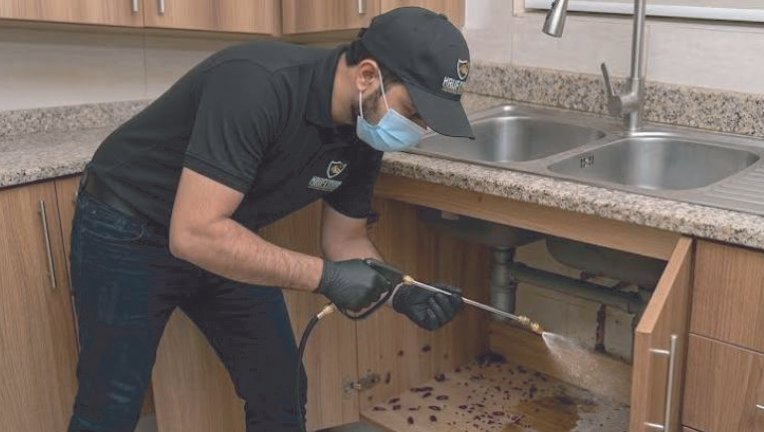
Once the assessment is complete, technicians develop a targeted treatment plan that may include a combination of baiting systems, exclusion techniques, and environmentally responsible chemical applications. Exclusion work, such as sealing cracks and gaps, is often just as important as the treatment itself, since it prevents future invasions rather than just addressing the current one.
Follow-up visits are typically part of the process, allowing technicians to monitor progress and make adjustments as needed. This ongoing attention is what separates lasting results from the temporary fixes offered by DIY products.
The Long-Term Value of Partnering With Pest Control Experts
Reliable pest control starts with choosing a team that treats your property like it’s their own, and that’s the standard Bingham Pest Control holds itself to on every job. Rather than offering generic treatments, their technicians tailor each plan to the specific pests, property layout, and risk factors involved — delivering results that homeowners and business owners can actually count on.
Working with a dedicated provider also means ongoing protection, not just a one-time fix. Seasonal pest patterns shift throughout the year, and a knowledgeable team anticipates these changes, scheduling preventive treatments before problems have a chance to take hold. This proactive approach saves property owners from the much larger expense of repairing termite damage, replacing contaminated insulation, or dealing with a full-blown infestation that’s gone unchecked for months.
There’s also a quality-of-life benefit that’s easy to overlook. A pest-free home means better sleep, fewer health concerns, and the freedom to enjoy your space without constantly checking cupboards or baseboards for signs of trouble. For business owners, it means protecting your reputation, your inventory, and your customers’ trust.
Signs It’s Time to Call in the Experts
Not sure whether your situation calls for professional help? A few warning signs are worth paying attention to:
- Discovering droppings, shed skins, or nests in hidden areas like attics, basements, or wall voids
- Noticing unusual sounds, such as scratching or scurrying, especially at night
- Seeing visible damage to wood, wiring, or stored food products
- Spotting a pest multiple times despite using store-bought treatments
- Experiencing unexplained allergic reactions or skin irritation that could be linked to bites or allergens
If any of these sound familiar, it’s worth scheduling an inspection sooner rather than later. Pest populations grow quickly, and early intervention is almost always less costly and less disruptive than waiting until the problem escalates.
Taking the Next Step Toward a Pest-Free Property
Pest problems rarely resolve themselves, and the longer they go untreated, the more damage they can cause — both to your property and your peace of mind. Choosing a knowledgeable, experienced team makes all the difference between a quick fix and a lasting solution.
If you’ve noticed signs of an infestation or simply want the reassurance of preventive care, reaching out to a trusted provider is the smartest move you can make. Schedule an inspection, ask questions about the treatment process, and take the first step toward a home or business that’s genuinely pest-free.
Frequently Asked Questions
How often should a property be treated for pests?
Most experts recommend quarterly treatments for general prevention, though properties with higher pest activity or specific vulnerabilities, such as homes near wooded areas, may benefit from more frequent visits.
Is professional pest control safe for pets and children?
Yes. Reputable providers use products and application methods designed to minimize risk to household members, and technicians can advise on precautions during and after treatment.
How quickly will I see results after treatment?
Many homeowners notice a significant reduction in pest activity within the first few days, though full resolution of an infestation can take several weeks depending on the severity and species involved.
What’s the difference between pest control and pest extermination?
Extermination typically refers to eliminating an existing infestation, while ongoing pest control includes preventive measures designed to stop future problems before they start.
