

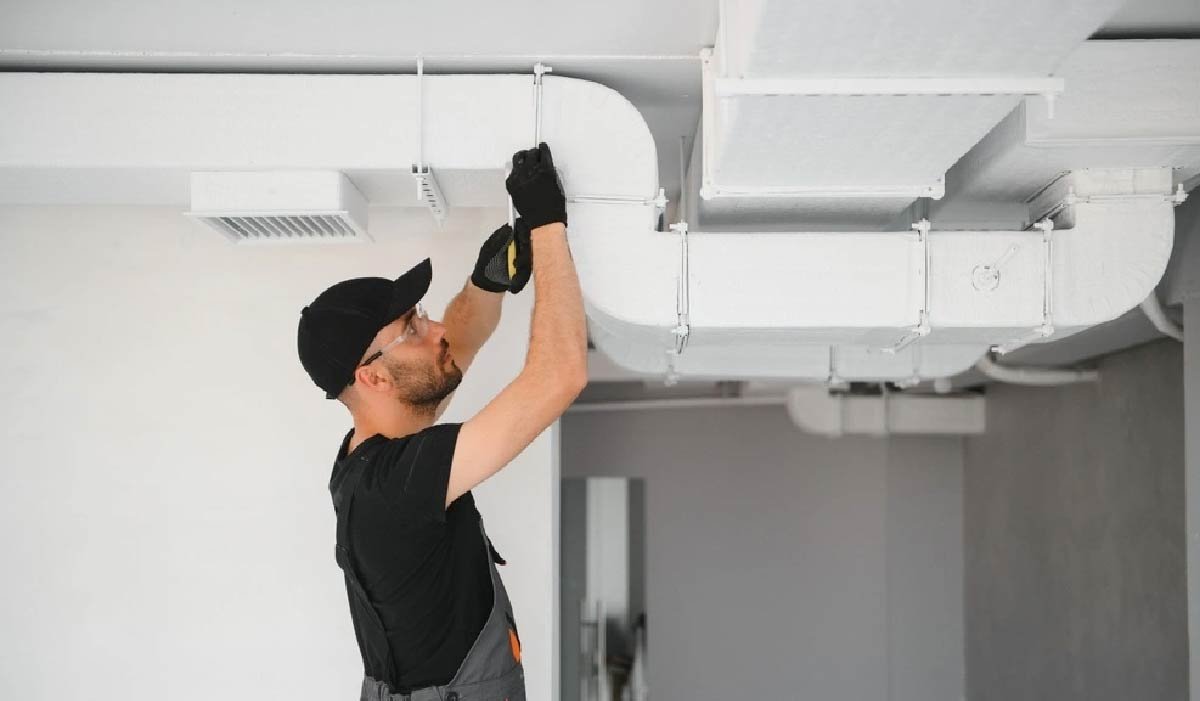
Understanding the Importance of Air Duct Cleaning
A properly maintained heating and cooling system plays an important role in creating a comfortable indoor environment, but many homeowners overlook the condition of the ductwork responsible for distributing conditioned air throughout their properties. Air ducts serve as pathways that carry heated or cooled air from HVAC equipment into different rooms, helping maintain consistent temperatures and proper circulation. Over time, these passages can collect dust, dirt, pollen, pet dander, and other airborne particles that gradually accumulate along interior surfaces. When contaminants build up, they may affect airflow, contribute to dust circulation, and reduce the overall cleanliness of the indoor environment. Professional air duct cleaning helps remove accumulated debris from accessible ductwork and supports better air distribution throughout the property. Maintaining clean ventilation passages is especially important for households that operate their heating and cooling equipment frequently because continuous airflow can contribute to the movement and accumulation of airborne contaminants. Regular attention to ductwork also provides an opportunity to identify damaged connections, insulation problems, and other conditions that may affect HVAC performance.
How Dust and Debris Accumulate Inside Air Ducts
Air ducts naturally collect airborne particles as air moves through the ventilation system, particularly when filters are dirty, damaged, incorrectly installed, or unsuitable for the equipment. Dust from household activities, outdoor pollutants, construction debris, pet hair, and other contaminants can gradually settle inside supply and return ducts. Although HVAC filters capture a significant portion of airborne particles, they cannot prevent every contaminant from entering the system. Over an extended period, accumulated debris may become noticeable around supply vents, on nearby furniture, and across frequently used household surfaces. Certain properties may experience faster accumulation because of pets, frequent renovation work, high indoor activity, or inadequate filtration. Professional inspection helps determine whether the visible dust is related to ordinary household conditions, filter problems, or excessive buildup within the ventilation system. Understanding how contaminants enter ductwork allows homeowners to make better decisions about filtration, routine maintenance, and the appropriate timing of professional cleaning services.
Recognizing Signs of Dirty Air Ducts
Several noticeable signs may indicate that an HVAC ventilation system needs professional attention, although visible dust alone does not always mean that extensive duct cleaning is necessary. Homeowners may observe excessive dust collecting around supply registers, debris visible inside accessible vents, or unusual odors whenever the heating or cooling equipment starts operating. Other possible warning signs include inconsistent airflow between rooms, recently completed renovation work that introduced construction dust, and evidence of rodents or insects inside ductwork. In some situations, occupants may notice that indoor surfaces become dusty more quickly than expected, which can justify a closer examination of filtration and ventilation conditions. However, these symptoms can also originate from dirty filters, damaged duct connections, insufficient ventilation, or other HVAC problems. A professional inspection helps distinguish between ordinary household dust and contamination that requires cleaning. Identifying the actual source of a problem is important because cleaning the ducts without addressing an underlying filtration or airflow issue may allow similar conditions to develop again.
Improving Indoor Air Quality Through Proper Duct Maintenance
Indoor air quality depends on several factors, including ventilation, filtration, humidity, household activities, and the overall condition of HVAC equipment. Since ductwork distributes conditioned air throughout a property, its cleanliness can contribute to the general condition of the ventilation system. Dust, pollen, pet dander, and other particles may collect inside ducts, particularly when filtration is inadequate or the system has experienced prolonged neglect. Professional cleaning can remove accumulated debris from appropriate duct surfaces, helping reduce the amount of loose material available to circulate through the ventilation system. However, duct cleaning should be considered one part of a broader indoor air quality strategy rather than a complete solution for every airborne contaminant. Replacing filters when necessary, maintaining suitable humidity levels, controlling indoor dust sources, and ensuring proper ventilation are equally important. Homeowners who take a comprehensive approach to indoor air quality can create a cleaner and more comfortable environment while helping their HVAC systems operate under appropriate conditions.
The Connection Between Air Ducts and HVAC Efficiency
An HVAC system relies on properly designed and maintained ductwork to distribute conditioned air effectively throughout a property. When ducts contain significant debris or experience restrictions, airflow may become uneven, causing some rooms to receive less heating or cooling than others. In certain situations, restricted passages can make the blower work harder to circulate air, potentially increasing mechanical strain and affecting overall system performance. However, not every efficiency problem originates from dirty ducts, as damaged insulation, leaking connections, improperly sized ductwork, and malfunctioning equipment can produce similar symptoms. Professional evaluation helps determine whether cleaning is necessary or whether another ventilation problem requires attention. Removing substantial accumulated debris can support unobstructed airflow where buildup was causing a restriction, while repairing leaks and correcting ductwork defects may provide additional improvements. Maintaining the complete air distribution system is therefore an important part of supporting consistent indoor comfort and dependable HVAC operation.
Why Air Filters Cannot Replace Professional Duct Cleaning
Air filters are designed to capture airborne particles before they enter sensitive areas of an HVAC system, protecting internal components and helping maintain cleaner circulating air. They play an essential role in reducing dust accumulation, but their effectiveness depends on selecting an appropriate filter, installing it correctly, and replacing it according to manufacturer recommendations. Even with suitable filtration, some particles may enter the ventilation system through gaps, poorly sealed connections, return air openings, or other pathways. Existing debris may also remain inside ductwork for extended periods because filters are not designed to remove contaminants that have already accumulated along interior surfaces. Professional duct cleaning addresses this separate maintenance requirement by using specialized equipment to collect debris from appropriate sections of the ventilation system. Homeowners should continue maintaining their filters after cleaning because neglecting filtration can contribute to renewed contamination. Combining suitable filters with proper ventilation maintenance provides a more practical approach to maintaining clean HVAC equipment and consistent air circulation.
The Importance of Cleaning Supply and Return Ducts
Supply and return ducts perform different but equally important functions within an HVAC ventilation system. Supply ducts carry conditioned air from the heating or cooling equipment into occupied rooms, while return ducts transport indoor air back toward the system for filtering and further conditioning. Both sections can collect dust and debris, although the type and amount of accumulation may vary depending on system design, filtration, and household conditions. Neglecting one section while addressing the other may leave important parts of the ventilation network unexamined. Professional technicians inspect accessible supply and return passages to evaluate contamination levels and determine which areas require attention. Proper cleaning methods are selected according to duct material, accessibility, system configuration, and the condition of internal surfaces. Thorough maintenance also provides an opportunity to identify loose connections, damaged insulation, and other issues that may interfere with effective air distribution. Understanding the relationship between supply and return ductwork helps homeowners appreciate why a complete system assessment is more useful than focusing only on visible vent openings.
How Pet Hair and Household Dust Affect Ventilation Systems
Homes with pets often experience higher levels of airborne hair, dander, and household dust, which can gradually accumulate around ventilation openings and inside HVAC components. Pet hair may collect near return vents, become trapped in filters, and contribute to restrictions when filtration is neglected. Ordinary household activities also release particles into indoor air, including fibers from clothing, dust from carpets, cooking-related particles, and debris brought inside from outdoor environments. Although regular cleaning can control many of these sources, some particles inevitably enter the ventilation system during normal operation. Homeowners should pay particular attention to filter condition and keep return air openings free from visible obstructions. When substantial debris is suspected inside ductwork, a professional inspection can determine whether specialized cleaning is appropriate. Maintaining clean carpets, regularly vacuuming household surfaces, and controlling pet hair around ventilation openings can also help reduce the amount of material entering the HVAC system and support better overall cleanliness.
Removing Construction Dust and Renovation Debris
Home improvement projects can introduce considerable quantities of dust and construction debris into a property, particularly when work involves drywall, flooring, sanding, cutting, insulation, or demolition. Fine particles can remain suspended in indoor air and eventually settle on furniture, floors, ventilation openings, and other surfaces. If the HVAC system operates during renovation work without suitable protection, some of this debris may enter the ductwork and accumulate in accessible sections of the ventilation network. Construction-related contamination can be especially concerning because ordinary household dusting may not remove material that has settled inside ventilation passages. Professional inspection after substantial renovation work helps determine whether debris has entered the duct system and whether cleaning is necessary. Contractors and homeowners should also protect HVAC equipment during construction by covering appropriate openings and following suitable precautions recommended for the project. Taking these steps can reduce unnecessary contamination and help prevent construction debris from interfering with normal heating and cooling operations.
Preventing Mold and Moisture Problems Inside Ductwork
Moisture management is an important part of maintaining an HVAC system because excessive dampness can create conditions that support microbial growth on suitable surfaces. Condensation problems, leaking drain lines, damaged insulation, high indoor humidity, and water intrusion may contribute to moisture-related concerns around ventilation components. If homeowners notice persistent musty odors, visible microbial growth, or unexplained moisture around vents and ductwork, the source should be investigated rather than simply covering the odor with fragrances or other products. Cleaning alone does not correct an ongoing moisture problem, so technicians must identify and address the conditions responsible for dampness. Depending on the situation, appropriate solutions may include repairing drainage problems, correcting insulation defects, controlling humidity, or addressing water intrusion. Professional evaluation is particularly important when visible contamination is present because different materials and conditions require different treatment approaches. Maintaining dry ductwork and properly functioning HVAC drainage components helps protect ventilation materials and supports a healthier indoor environment.
The Role of Professional Equipment in Duct Cleaning
Professional duct cleaning involves specialized equipment designed to loosen and collect accumulated debris while limiting the spread of contaminants into occupied areas. Depending on the ventilation system, technicians may use controlled negative-pressure collection equipment, suitable agitation tools, specialized vacuum systems, and access equipment to reach different duct sections. These methods are intended to capture loosened particles rather than allowing them to become widely dispersed throughout the property. Before beginning work, a professional should examine the system, identify accessible components, and determine the appropriate cleaning approach based on duct material and contamination levels. Different systems require different techniques because flexible ducts, metal passages, internal insulation, and delicate HVAC components cannot all be treated in exactly the same way. Proper equipment selection and careful workmanship are important for preventing accidental damage during service. A professional approach also helps ensure that cleaning focuses on relevant system components instead of relying on superficial treatment of visible vent covers alone.
Why Professional Inspection Matters Before Cleaning
A proper inspection is an important first step because not every ventilation system requires the same level of cleaning or maintenance. Some homeowners may assume that dusty furniture automatically indicates contaminated ductwork, but the actual source could involve dirty filters, inadequate housekeeping, air leakage, or outdoor particles entering through doors and windows. Professional technicians evaluate visible duct conditions, inspect accessible HVAC components, examine filter installation, and look for signs of excessive contamination or moisture. This assessment helps determine whether cleaning is necessary and which areas should receive attention. It can also reveal unrelated problems, such as damaged insulation, disconnected ducts, restricted airflow, or poorly sealed connections. Identifying these conditions before starting work allows technicians to recommend a suitable service plan instead of performing unnecessary procedures. Homeowners benefit from understanding what the inspection reveals, why specific cleaning steps are recommended, and whether additional repairs are needed to improve the overall condition of the ventilation system.
Maintaining Ductwork Between Professional Cleanings
Maintaining clean ductwork requires consistent attention to several everyday HVAC practices rather than depending entirely on occasional professional services. One of the most useful steps is checking air filters regularly and replacing them when they become dirty or reach the end of their recommended service period. Homeowners should also keep supply and return vents unobstructed by furniture, curtains, carpets, and other household items that may interfere with airflow. Regular vacuuming, dusting, and cleaning around ventilation openings can help reduce the amount of debris available to enter the system. Outdoor equipment should remain free from excessive leaves and debris, while any unusual odors, moisture, or changes in airflow should be investigated promptly. It is also helpful to schedule general HVAC maintenance according to manufacturer recommendations so that filters, fans, coils, drainage components, and other important parts receive appropriate attention. These preventive practices help maintain a cleaner operating environment and reduce conditions that contribute to unnecessary contamination inside the ventilation system.
Choosing the Right HVAC Company for Duct Services
Selecting a knowledgeable HVAC company is important because ventilation systems contain different materials, configurations, and components that require appropriate inspection and handling. Homeowners should look for experienced professionals who understand air distribution systems and can explain the purpose of recommended cleaning procedures. A reliable service provider should assess the condition of the ductwork, identify visible concerns, and provide clear information about the work required before beginning the service. Customers should be cautious of companies that promise unrealistic improvements or recommend expensive treatments without inspecting the system. Proper communication is also important because homeowners deserve to understand whether the problem involves accumulated debris, damaged ductwork, inadequate filtration, or another HVAC concern. A company that provides comprehensive heating and cooling services can offer additional assistance when inspection reveals problems involving equipment performance, airflow, heating operation, or indoor air quality. Choosing experienced professionals supports better maintenance decisions and helps homeowners avoid unnecessary work.
Supporting Better Performance with Complete HVAC Maintenance
Air ducts are only one part of a larger heating and cooling system, and their condition should be considered alongside the performance of the equipment responsible for moving conditioned air. Dirty evaporator coils, worn blower motors, clogged condensate drains, malfunctioning thermostats, and electrical problems can all affect indoor comfort even when ductwork is relatively clean. Regular HVAC maintenance allows technicians to evaluate how these components work together and identify issues that may influence overall system performance. For example, cleaning ventilation passages will not correct a defective blower motor or repair a refrigerant leak, so related equipment problems must receive appropriate attention. A comprehensive maintenance approach may include filter replacement, coil inspection, drainage checks, electrical testing, airflow evaluation, and examination of accessible duct connections. Keeping the entire system in suitable working condition supports more dependable heating and cooling operation while helping homeowners understand which improvements will provide the greatest practical benefit.
Conclusion
Maintaining clean and properly functioning ductwork is an important part of caring for a home’s heating and cooling system. Dust, pet hair, construction debris, moisture, and other contaminants can accumulate inside ventilation passages over time, potentially affecting cleanliness and airflow when significant buildup or other underlying problems are present. Professional inspection helps determine whether cleaning is necessary and identifies additional concerns involving filtration, duct connections, insulation, or HVAC equipment. Method Air offers heating and cooling solutions that help homeowners maintain comfortable indoor environments, including HVAC services, air conditioning solutions, furnace services, ductless mini-splits, and indoor air quality improvements. Investing in professional air duct cleaning when inspection identifies a genuine need can help remove accumulated debris and support better ventilation system maintenance. Combined with regular filter replacement, proper airflow management, and routine HVAC inspections, appropriate duct care contributes to a cleaner, more comfortable, and better-maintained indoor environment throughout the year.
