

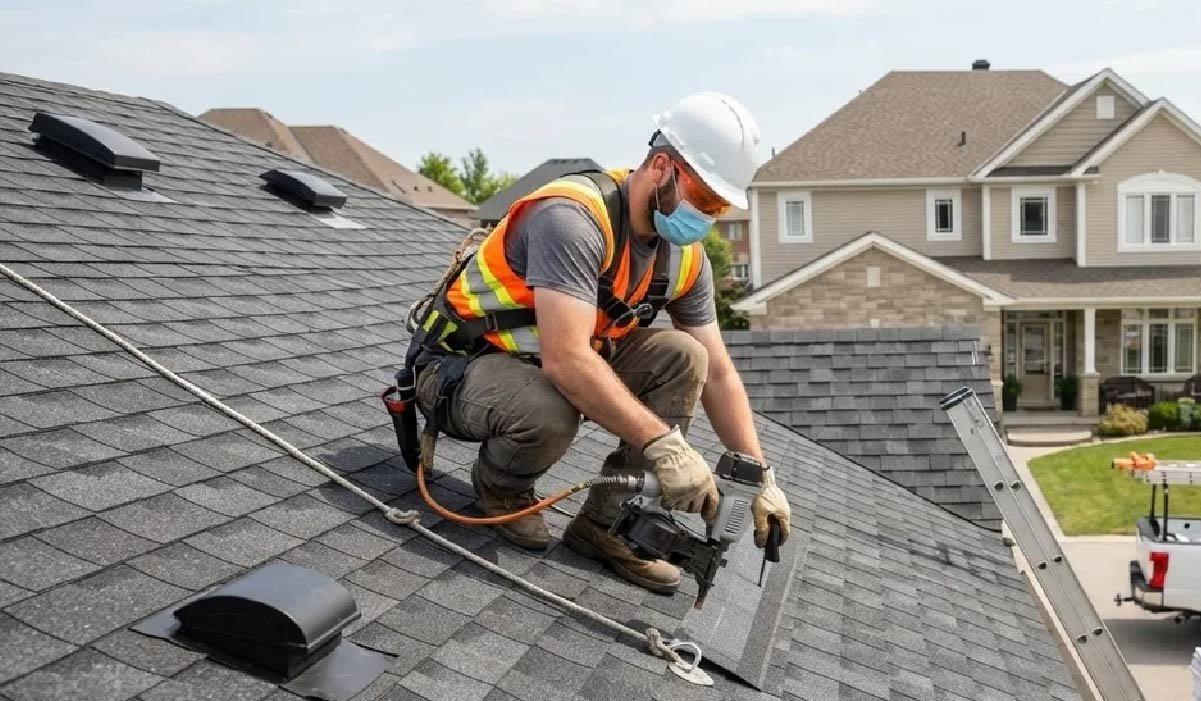
A roof is one of the most important elements of any residential or commercial property because it provides protection against rain, wind, sunlight, moisture, and changing environmental conditions. A properly constructed roofing system does more than cover the building; it also contributes to structural stability, indoor comfort, energy efficiency, and overall property appearance. However, achieving dependable roofing performance requires more than selecting attractive materials. Every component must be installed correctly, from the underlying decking and protective barriers to shingles, flashing, ventilation systems, and drainage features. Professional roof installation ensures that these components work together to create a durable protective structure capable of handling everyday weather exposure. Whether homeowners are building a new property, upgrading an existing structure, or replacing an outdated roofing system, careful planning and experienced workmanship are essential. Selecting appropriate materials, evaluating the building’s requirements, and following proper installation procedures can help prevent common roofing problems. A well-installed roof also provides long-term value by reducing maintenance concerns, improving exterior appearance, and protecting the interior of the property from costly moisture damage.
Understanding the Importance of a Proper Roofing System
A roofing system serves as the first line of defense between a building’s interior and the outdoor environment. It protects structural materials, insulation, electrical components, furniture, and personal belongings from exposure to moisture and severe weather. A properly designed roof also helps regulate indoor temperatures by working together with insulation and ventilation systems. When roofing components are installed incorrectly, even high-quality materials may fail to provide adequate protection. Water can enter through improperly sealed joints, damaged flashing, loose shingles, and poorly constructed roof valleys. Over time, these issues may lead to wood deterioration, mold growth, insulation damage, and expensive interior repairs. Professional roof installation addresses these concerns by ensuring that each component is positioned and secured according to the requirements of the roofing material and building structure. Contractors evaluate the roof’s design, slope, drainage arrangements, and ventilation needs before beginning work. This detailed approach helps create a roofing system that performs reliably while supporting the overall condition and value of the property.
Choosing the Right Roofing Materials for Your Property
Material selection is one of the most important decisions involved in planning a new roofing project because different roofing products offer different advantages. Asphalt shingles remain a popular choice for residential properties due to their affordability, availability, and wide range of colors and styles. Architectural shingles offer additional texture and dimension, making them suitable for homeowners who want to improve exterior appearance while maintaining practical performance. Metal roofing is another option that provides durability, relatively low maintenance requirements, and a distinctive architectural finish. Tile and slate roofing can also offer attractive and long-lasting solutions, although their weight, structural requirements, and installation costs must be considered carefully. Before starting roof installation, property owners should evaluate their budget, preferred appearance, roof slope, structural capacity, and maintenance expectations. An experienced roofing contractor can explain the characteristics of different materials and recommend options that suit the building. The choice should also account for compatible underlayment, flashing, fastening systems, and ventilation components. Selecting suitable materials from the beginning helps establish a roofing system that balances appearance, durability, and long-term performance.
The Role of Professional Roof Inspection and Planning
Every successful roofing project begins with careful evaluation and preparation. Before installing new materials, contractors need to understand the property’s structural requirements and identify any conditions that could affect the finished roof. A professional inspection typically includes examining the roof deck, framing, existing ventilation, drainage pathways, flashing locations, and other important components. Even when a building is newly constructed, its structural design must be evaluated to ensure that the proposed roofing materials are appropriate. During roof installation planning, contractors also consider the roof’s slope, dimensions, valleys, ridges, edges, and areas surrounding chimneys or ventilation openings. These details influence material quantities, installation techniques, and the placement of protective components. Accurate measurements help reduce material waste and support a more organized project schedule. Contractors should also discuss the project scope, estimated costs, product warranties, and expected completion timeline with property owners. Proper planning reduces uncertainty, helps identify potential complications early, and ensures that important technical requirements are considered before work begins.
Preparing the Roof Deck for Installation
The roof deck provides the foundation that supports the entire roofing system, making its condition extremely important. A damaged or unstable deck can compromise the performance of even the most durable roofing materials. Before installation, contractors should inspect the decking for signs of rot, moisture damage, loose sections, or structural deterioration. Any damaged materials should be repaired or replaced to create a stable and secure surface. The deck should also be appropriately prepared so that underlayment and exterior roofing products can be installed according to manufacturer recommendations. Professional roof installation requires attention to details such as surface alignment, fastening requirements, and the condition of roof edges. Uneven or weakened areas should not be ignored because they may affect how roofing materials sit and remain secured over time. Contractors must also ensure that the surface is clean and suitable for the selected roofing system. A properly prepared roof deck creates a strong foundation, supports accurate material placement, and reduces the likelihood of problems caused by underlying structural weaknesses.
Installing Underlayment and Protective Barriers
Underlayment is an essential roofing component because it provides an additional layer of protection beneath the exterior roofing materials. Although shingles, metal panels, and other roofing products form the visible weather-resistant surface, underlayment helps protect the deck if moisture passes beneath the exterior covering. Different underlayment products are available, including traditional felt materials and modern synthetic options. Some roofing systems may also require specialized protective membranes in vulnerable areas such as eaves, valleys, and other locations where water exposure is more likely. During roof installation, contractors must select compatible products and install them according to the roofing manufacturer’s guidelines. Proper overlapping, fastening, and sealing are important because gaps or incorrectly positioned sections can create opportunities for water penetration. Protective barriers should also be coordinated with flashing and drainage components to maintain a continuous moisture-resistant assembly. Taking time to install these layers correctly improves the overall reliability of the roofing system and provides an additional level of protection for the building.
Ensuring Proper Roof Ventilation and Airflow
Ventilation is often overlooked when property owners think about roofing, but it plays an important role in maintaining the condition of the roof and attic. Without adequate airflow, heat and moisture can accumulate beneath the roof surface, potentially contributing to condensation, mold growth, deteriorating insulation, and premature material damage. A properly designed ventilation system allows fresh air to enter through suitable intake openings and warm air to escape through exhaust vents. Ridge vents, soffit vents, and other ventilation products may be used depending on the building’s design and requirements. Professional roof installation should include evaluating the existing ventilation arrangement and determining whether additional components are necessary. Balanced airflow helps maintain more stable attic conditions and can reduce unnecessary temperature buildup during warmer periods. Ventilation must be planned carefully because simply adding more vents does not always guarantee better performance. The intake and exhaust systems need to work together effectively. When ventilation is properly incorporated into the roofing structure, it supports material longevity, moisture management, and overall building comfort.
Improving Weather Resistance with Quality Flashing
Flashing is used to protect areas where the roofing surface meets another structure or changes direction. These areas include chimneys, skylights, plumbing vents, walls, valleys, and roof edges. Because water naturally flows toward these transitions, they require careful installation and appropriate sealing. Poorly fitted flashing can allow moisture to enter the roof assembly, leading to damaged decking, insulation problems, and interior leaks. During roof installation, contractors should use flashing materials that are compatible with the selected roofing products and appropriate for the building’s design. Each section must be positioned correctly so that water moves away from vulnerable joints rather than collecting around them. Roof valleys require particular attention because they channel water from multiple roof sections toward drainage points. Chimney and wall intersections also need carefully integrated flashing to prevent water from entering behind the exterior covering. Quality workmanship in these areas makes a significant difference in long-term roofing performance. Proper flashing installation helps create a more continuous protective barrier and reduces the possibility of recurring moisture problems.
Enhancing Energy Efficiency Through Roofing Improvements
A properly constructed roof can contribute to improved energy efficiency by helping regulate the transfer of heat between the outdoor environment and indoor living spaces. Roofing materials, insulation, ventilation, and attic conditions all influence how much heat enters or escapes from a property. During roof installation, homeowners have an opportunity to evaluate whether existing insulation is adequate and whether improvements could support better indoor comfort. Some roofing materials also offer reflective properties that may help reduce heat absorption under suitable conditions. Proper attic ventilation can further support temperature management by allowing accumulated warm air to escape. These features work together with the home’s heating and cooling systems to create a more comfortable indoor environment. Property owners should also consider air leakage around attic openings, roof penetrations, and other vulnerable areas because unwanted airflow can reduce energy efficiency. Contractors can identify relevant roofing concerns and explain which improvements are appropriate for the property. A well-planned roofing project can therefore provide benefits beyond weather protection by supporting more consistent indoor temperatures and helping reduce unnecessary heating and cooling demands.
Residential Roofing Solutions for Lasting Home Protection
Residential properties require roofing systems that combine durability, attractive appearance, and dependable weather protection. Every home has different roofing requirements depending on its architectural design, roof slope, size, insulation, and surrounding environmental conditions. A suitable roofing system should complement the exterior appearance while providing reliable protection for the building and its occupants. Professional roof installation allows homeowners to select materials and design features according to their preferences and the property’s structural needs. Whether choosing traditional shingles, architectural roofing, or metal panels, proper installation is essential for achieving the expected performance. Contractors must pay attention to roof edges, valleys, ridges, ventilation, and drainage to ensure that all components function together. Homeowners should also consider future maintenance requirements when comparing materials because some roofing products require more attention than others. A professionally installed residential roof can improve curb appeal, protect interior spaces, and support the long-term condition of the property. Investing in quality materials and workmanship helps homeowners establish a protective structure that meets their everyday needs.
Commercial Roofing and Building Requirements
Commercial properties often require more specialized roofing solutions because their structures, roof dimensions, drainage systems, and operational demands can differ considerably from residential buildings. Warehouses, offices, retail spaces, and other commercial facilities may use flat or low-slope roofing systems that require specific materials and installation techniques. Water drainage is especially important for these structures because standing water can place additional pressure on roofing materials and increase the risk of leakage. Professional roof installation for commercial properties begins with evaluating the building’s design, intended use, structural capacity, and existing drainage arrangements. Contractors may recommend roofing systems designed to provide suitable weather resistance, durability, and maintenance accessibility. Insulation and reflective properties may also be important considerations because large commercial buildings can experience substantial temperature variations. Businesses should prioritize professional planning and installation because roofing problems can interrupt operations, damage inventory, and affect employees or customers. A carefully selected and properly installed commercial roofing system helps protect the building while supporting reliable daily operations.
Protecting Your Roof from Storm Damage
Strong winds, heavy rainfall, hail, and falling debris can all affect roofing materials and weaken the protective surface of a building. Storm damage may appear as missing shingles, damaged metal panels, loosened flashing, punctures, or water entering through vulnerable joints. Even when the roof appears relatively normal after severe weather, hidden damage may remain beneath the exterior surface. Homeowners should arrange a professional inspection whenever they suspect that a storm has affected their roofing system. Depending on the extent of the damage, targeted repairs may be sufficient, while more widespread deterioration may require a larger roofing project. Bevi Built provides roofing services that include storm damage assistance, inspections, repairs, and complete roofing solutions. Professional roof installation also provides an opportunity to improve vulnerable areas and ensure that appropriate fastening, flashing, and protective materials are used. Addressing storm-related concerns promptly can help prevent moisture from reaching the roof deck, attic insulation, and interior finishes. Regular inspections and timely maintenance support the long-term condition of the roofing system and help property owners respond effectively to unexpected weather-related problems.
Why Experienced Roofing Contractors Matter
Roofing work involves specialized materials, tools, safety procedures, and installation techniques that require appropriate knowledge and experience. A contractor must understand how different roofing components interact and how to install them according to product specifications. Poor workmanship can lead to loose materials, water leaks, inadequate ventilation, and premature deterioration. Choosing experienced professionals for roof installation helps reduce these risks because qualified teams understand the importance of accurate measurements, proper fastening, flashing placement, and final quality checks. Property owners should review the contractor’s experience, available services, project estimates, warranty information, and communication practices before making a decision. A reliable roofing company should explain the proposed work clearly and help customers understand the advantages and limitations of available materials. Bevi Built offers roofing solutions designed to address different property needs, including roofing installations, inspections, repairs, and storm-related services. Working with a professional service provider helps ensure that important project details are considered and that the finished roofing system is designed to deliver dependable protection.
Maintaining Your Roof After Installation
Regular maintenance is important for preserving the appearance and performance of a newly installed roof. Although quality roofing products are designed to provide long-lasting protection, leaves, branches, dirt, algae, and other debris can gradually accumulate on exterior surfaces. Gutters should remain clear so that rainwater can flow away from the building without overflowing near roof edges. Property owners should also monitor the roof for loose shingles, damaged flashing, visible debris accumulation, and signs of water penetration. Professional roof installation provides a strong foundation, but periodic inspections help identify developing concerns before they become more expensive problems. Bevi Built also provides exterior cleaning services, including roof cleaning, gutter cleaning, pressure washing, and soft washing, which can support a broader property maintenance routine. Cleaning methods should always be appropriate for the roofing material to avoid unnecessary surface damage. Homeowners should follow manufacturer recommendations and arrange professional assistance whenever they notice unusual changes in the roof’s condition. Consistent maintenance helps protect the roofing investment and supports reliable performance over time.
Conclusion
A properly installed roof provides essential protection while contributing to the appearance, energy efficiency, and structural stability of a property. From selecting suitable materials and preparing the roof deck to installing underlayment, flashing, and ventilation components, every stage requires careful attention and professional workmanship. Quality roof installation services help property owners establish a dependable roofing system that can withstand everyday weather exposure and provide lasting value. Bevi Built offers roofing solutions designed to support residential and commercial property needs through professional services and quality-focused workmanship. By choosing appropriate materials, working with experienced roofing professionals, and maintaining the finished structure, property owners can protect their investment and enjoy greater confidence in their roof’s long-term performance.
