

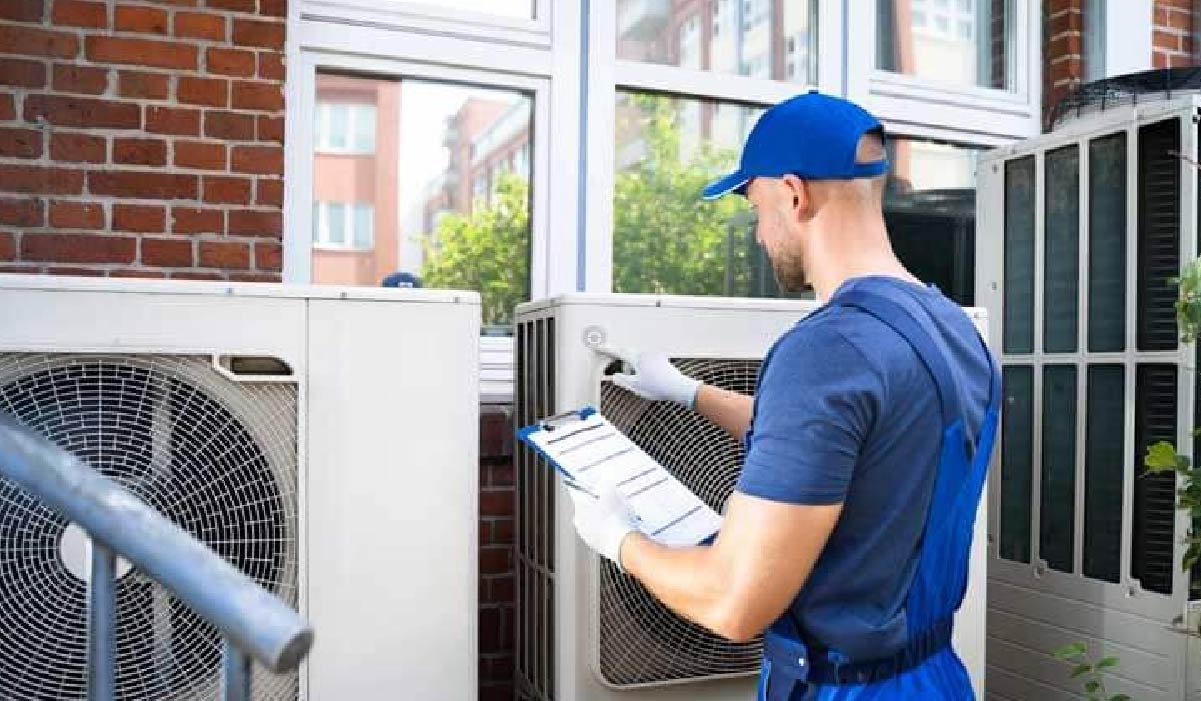
Introduction
A reliable heating, ventilation, and air conditioning system is essential for maintaining comfortable, productive, and healthy commercial environments. Offices, retail stores, restaurants, warehouses, medical facilities, and other business properties depend on properly functioning HVAC equipment to regulate indoor temperatures, maintain air circulation, and support daily operations. When a commercial heating or cooling system begins to malfunction, the consequences can extend beyond discomfort. Employees may struggle to concentrate, customers may have an unpleasant experience, sensitive equipment may be affected by temperature fluctuations, and certain operations may need to slow down or stop temporarily. Commercial systems are often more complex than residential equipment because they must serve larger spaces, manage varying occupancy levels, and operate for extended periods. Consequently, identifying problems quickly and arranging appropriate professional service can help businesses avoid unnecessary disruption. Timely maintenance, accurate troubleshooting, and dependable repairs all contribute to better equipment performance, improved energy efficiency, and long-term operational reliability.
Recognizing System Problems
Commercial HVAC equipment frequently displays warning signs before a complete breakdown occurs. One of the most common indicators is inconsistent indoor temperature, particularly when some areas of a building remain warm while others become excessively cold. This problem may be associated with restricted airflow, malfunctioning thermostats, improperly balanced ductwork, failing dampers, or problems with the system’s control mechanisms. Business owners may also notice that the equipment runs continuously without maintaining the desired temperature or repeatedly switches on and off throughout the day. These symptoms can increase energy consumption and place additional stress on mechanical components. Employees may report stuffy rooms, weak airflow, unusual odors, or temperature differences between work areas. Taking these complaints seriously allows facility managers to investigate potential problems before they become more disruptive or expensive.Unusual sounds and unexpected utility increases are additional warning signs that commercial property managers should monitor. Grinding, rattling, buzzing, or banging noises may indicate loose components, worn bearings, damaged blower assemblies, or electrical problems. A sudden increase in energy consumption may suggest that the equipment is operating inefficiently because of dirty coils, clogged filters, refrigerant-related issues, or deteriorating components. Water accumulating around indoor units may point to a blocked condensate drain or another drainage problem that requires attention. Although some issues may initially appear minor, delaying an inspection can allow additional wear or damage to develop. A qualified HVAC technician can assess the equipment, identify the underlying cause, and recommend appropriate corrective work. Establishing a process for reporting and documenting HVAC symptoms helps businesses respond more effectively and reduces the likelihood that developing problems will be overlooked.
Common Causes of Commercial HVAC Failure
Commercial heating and cooling systems contain numerous components that must work together to provide reliable performance. These may include compressors, blower motors, heat exchangers, evaporator coils, condenser coils, electrical controls, thermostats, sensors, and air distribution equipment. A malfunction in one component can affect the performance of the entire system. For example, restricted airflow caused by dirty filters can reduce heating or cooling capacity and force equipment to operate for longer periods. Electrical faults can interrupt operation, while failing motors may reduce air circulation or cause unexpected shutdowns. Refrigerant-related problems can also affect cooling performance and may indicate a leak or an incorrect system charge. Because commercial systems vary in design and capacity, professional troubleshooting is necessary to determine which components are responsible for the symptoms.Environmental conditions and operating demands can contribute to equipment deterioration. Commercial systems often operate for many hours each day, particularly in buildings that remain occupied throughout business hours or require continuous temperature management. Dust, grease, airborne particles, and outdoor debris can accumulate on filters and coils, reducing airflow and heat transfer. Poor maintenance may allow these conditions to persist until the equipment becomes less efficient or develops a mechanical problem. Incorrect installation, unsuitable equipment sizing, and poorly configured controls can also contribute to recurring performance issues. A comprehensive inspection helps distinguish between normal component wear, maintenance-related problems, and underlying design or installation concerns. Addressing the actual cause is essential because replacing an individual component without correcting the conditions that contributed to its failure may lead to another breakdown.
The Importance of Prompt Repairs
When a commercial HVAC system fails, the effect on business operations can vary according to the property’s purpose and the severity of the problem. In an office, uncomfortable temperatures may reduce employee concentration and productivity. In a retail environment, poor indoor comfort can negatively affect customer experience, while restaurants may depend on effective ventilation and temperature control to support their daily activities. Facilities that contain temperature-sensitive materials, specialized equipment, or critical operational areas may face additional concerns when environmental conditions change unexpectedly. Prompt professional service allows businesses to understand the seriousness of the fault and determine the most appropriate response. In some situations, a targeted component repair may restore normal operation quickly, while more complex failures may require additional testing or replacement parts.Early intervention can also help limit the secondary effects of equipment problems. For instance, an unresolved condensate drainage issue may lead to water damage around an indoor unit, while persistent airflow restrictions can place unnecessary stress on motors and other components. An electrical fault may cause repeated shutdowns or create a safety concern that requires the system to remain switched off until it has been inspected. Professional technicians can evaluate these risks and prioritize repairs according to their operational importance. Businesses should avoid repeatedly restarting malfunctioning equipment or attempting improvised repairs that could worsen the condition. A clear response plan, combined with access to a qualified HVAC provider, helps facility managers make timely decisions and reduce the disruption associated with unexpected system failures.
Improving Energy Efficiency
Energy consumption is a major operating expense for many commercial properties, making HVAC efficiency an important part of facilities management. Heating and cooling equipment may account for a substantial portion of a building’s energy use, particularly when systems serve large spaces or operate for extended periods. When equipment becomes dirty, airflow is restricted, controls malfunction, or components deteriorate, the system may consume more energy while providing less effective heating or cooling. Regular inspections and timely repairs help identify these inefficiencies before they create unnecessary operating expenses. Technicians may evaluate filter condition, coil cleanliness, airflow, thermostat accuracy, electrical performance, and other factors that influence system operation. Correcting identified problems can improve performance and help the equipment maintain indoor comfort more consistently.Businesses can also improve energy management by examining how HVAC equipment responds to occupancy patterns and operating schedules. A building that remains partially occupied outside normal business hours may not require the same heating and cooling settings throughout the day. Programmable controls and building management systems can help adjust operating schedules according to actual requirements, provided the settings remain appropriate for the equipment and the building’s needs. Proper zoning can also improve comfort by allowing different areas to receive suitable levels of heating or cooling. However, energy-saving adjustments should not compromise ventilation, humidity control, or requirements for specialized spaces. Facility managers should work with qualified professionals to ensure that operational changes are compatible with the HVAC system and applicable building requirements. Combining sound maintenance practices with thoughtful energy management can help reduce unnecessary consumption while preserving a comfortable indoor environment.
Maintaining Indoor Air Quality
Indoor air quality is another important consideration for commercial property owners. Employees, customers, and visitors spend considerable time inside offices, retail spaces, educational facilities, and other buildings, making proper ventilation and filtration important aspects of building management. HVAC systems help circulate air and, depending on their design, introduce outdoor air to support ventilation. Dirty filters, blocked vents, neglected coils, and poorly maintained drainage components can interfere with normal operation and contribute to indoor air quality concerns. Regular maintenance helps keep the system functioning as intended and allows technicians to identify conditions that may affect airflow or moisture management. Businesses should select filters that are compatible with their equipment rather than installing a more restrictive filter without confirming that the system can accommodate it.Humidity management is particularly important in buildings where excessive moisture can affect comfort, materials, or stored products. If an air conditioning system cannot remove moisture effectively, the cause may involve incorrect equipment sizing, airflow problems, refrigerant-related faults, or inadequate operating settings. Persistent condensation or water leakage should be investigated rather than ignored, as moisture can damage building materials and contribute to additional maintenance concerns. Ventilation requirements also vary by building type, occupancy, and the activities performed inside the property. A professional evaluation can help determine whether the equipment is providing suitable airflow and whether filtration, drainage, or control adjustments are necessary. Maintaining appropriate indoor air conditions supports occupant comfort and can help businesses provide a more suitable environment for employees and customers.
Professional Diagnostic Procedures
Accurate diagnosis is essential when commercial HVAC equipment develops a problem because similar symptoms may result from very different causes. A system that fails to cool a building adequately, for example, may have a dirty filter, a faulty thermostat, restricted condenser airflow, a compressor problem, or a refrigerant leak. Replacing a component without testing the equipment may waste money while leaving the actual problem unresolved. A professional technician typically begins by reviewing the reported symptoms, examining system controls, and inspecting accessible components. Depending on the equipment and the nature of the fault, further testing may involve checking electrical measurements, evaluating airflow, inspecting coils, examining refrigerant-related performance, or reviewing control-system data. These procedures help narrow down the possible causes and support a more accurate repair recommendation.Commercial buildings may also use sophisticated control systems that coordinate heating, cooling, ventilation, and equipment scheduling. A fault in a sensor, communication connection, control board, or programmed setting may affect the operation of multiple zones or units. In these situations, the technician may need to review system alerts, operating schedules, sensor readings, and communication between connected components. Correct diagnosis requires familiarity with the specific equipment and its control architecture. Once the problem has been identified, the service provider should explain the recommended work, expected costs, and any limitations that could affect the repair timeline. After completing the necessary work, the technician should test the relevant functions to confirm that the system operates appropriately. Thorough diagnosis and verification help reduce recurring problems and give facility managers greater confidence in the results.
Choosing a Reliable HVAC Provider
Selecting a dependable contractor is an important decision for businesses that rely on consistent heating and cooling. Commercial HVAC systems can differ significantly in size, design, controls, and operating requirements, so experience with commercial equipment is an important consideration. Business owners should look for appropriate qualifications, relevant technical experience, transparent estimates, and clear communication throughout the service process. Depending on the work being performed, licensing, insurance, and specialized certifications may also be important. A professional provider should assess the equipment before recommending major repairs and explain why the proposed solution is appropriate. Written estimates should identify the expected work, relevant parts, labor charges, and any applicable warranty terms. These details help businesses compare service proposals and plan their maintenance budgets more effectively.Response capabilities and ongoing service arrangements should also be considered. Some businesses benefit from scheduled maintenance agreements that establish inspection intervals and provide a clearer process for requesting service when equipment develops a problem. A well-organized maintenance relationship can help technicians become familiar with the property’s equipment and service history, potentially making future troubleshooting more efficient. Facility managers should also ask how the contractor handles urgent requests, communicates expected arrival times, and obtains approval for additional work. Property owners researching HVAC services can visit commercial hvac repair to explore the company’s offerings and determine whether its services are appropriate for their heating and cooling requirements. Evaluating a provider’s experience, service information, and communication practices helps businesses choose a contractor that understands the importance of reliable equipment and minimal operational disruption.
Preventive Maintenance Strategies
Preventive maintenance is one of the most effective ways to reduce avoidable HVAC breakdowns and support consistent performance. Rather than waiting until equipment stops working, businesses can establish a maintenance schedule that includes regular inspections, filter changes, coil cleaning, drainage checks, and evaluations of relevant electrical and mechanical components. The precise maintenance requirements depend on the equipment type, operating hours, environmental conditions, and manufacturer’s recommendations. For example, systems operating in dusty environments may require more frequent filter inspections, while equipment exposed to grease or airborne contaminants may need additional attention to maintain clean coils. Regular maintenance allows technicians to identify signs of wear and recommend corrective action before a developing problem causes a significant interruption.Facility managers can strengthen maintenance practices by keeping accurate records of service visits, repairs, equipment age, and recurring complaints. These records help reveal patterns that may otherwise remain unnoticed, such as a particular unit repeatedly failing or one zone consistently struggling to maintain the required temperature. Monitoring energy consumption can also help identify unexpected changes that justify further investigation. Building staff should know how to report unusual sounds, odors, water leaks, and temperature fluctuations without attempting unauthorized repairs. Maintaining clear access to HVAC equipment and keeping outdoor units free from avoidable obstructions can further support normal operation. A structured preventive maintenance program cannot eliminate every failure, but it can improve visibility into equipment condition, reduce the likelihood of preventable problems, and help businesses plan repair expenses more effectively.
Repair or Replace?
Commercial property owners may eventually need to decide whether repairing existing HVAC equipment remains more practical than replacing it. The answer depends on several factors, including system age, repair frequency, energy consumption, equipment condition, and the cost of necessary work. A relatively new system with a single defective component may be a good candidate for repair, especially when replacement parts are readily available. However, equipment that repeatedly fails, consumes excessive energy, or struggles to maintain acceptable indoor conditions may require a broader evaluation. Facility managers should consider the cost of the immediate repair alongside the likelihood of future failures and the potential operating benefits of newer equipment. Reviewing these factors helps prevent decisions based solely on the initial repair estimate.Replacement may be worth considering when major components fail, equipment becomes difficult to maintain, or the system no longer meets the building’s operational requirements. Modern commercial HVAC systems may offer improved control options, higher efficiency, better zoning capabilities, and more advanced monitoring features. Nevertheless, a new system must be properly sized and installed to deliver its expected benefits. The condition of existing ductwork, electrical infrastructure, ventilation arrangements, and building controls should be reviewed before selecting replacement equipment. Businesses should request a comparison of repair and replacement options that includes estimated costs, expected performance, and relevant warranty information. A qualified contractor can help evaluate the alternatives and recommend an approach that balances immediate expenses with long-term reliability and operational needs.
Conclusion
Commercial heating and cooling equipment plays a vital role in maintaining comfortable, productive, and functional business environments. When an HVAC system begins showing signs of failure, early assessment can help prevent additional damage, reduce energy waste, and limit disruptions to daily operations. Inconsistent temperatures, unusual noises, water leakage, weak airflow, and rising utility bills should be investigated before they develop into more serious concerns. Because commercial systems contain complex mechanical, electrical, and control components, professional diagnosis is essential for identifying the actual cause and determining the most effective solution.Reliable commercial hvac repair involves more than restoring equipment operation for the immediate future. It requires accurate troubleshooting, appropriate workmanship, careful system testing, and attention to the factors that influence long-term performance. Businesses can further protect their investment by choosing qualified contractors, maintaining accurate service records, and following a structured preventive maintenance schedule. When equipment becomes unreliable or increasingly expensive to operate, a professional comparison of repair and replacement options can support better financial decisions. By combining timely service with proactive maintenance, businesses can improve HVAC reliability, manage operating expenses, and provide a more comfortable environment for employees, customers, and visitors.
