

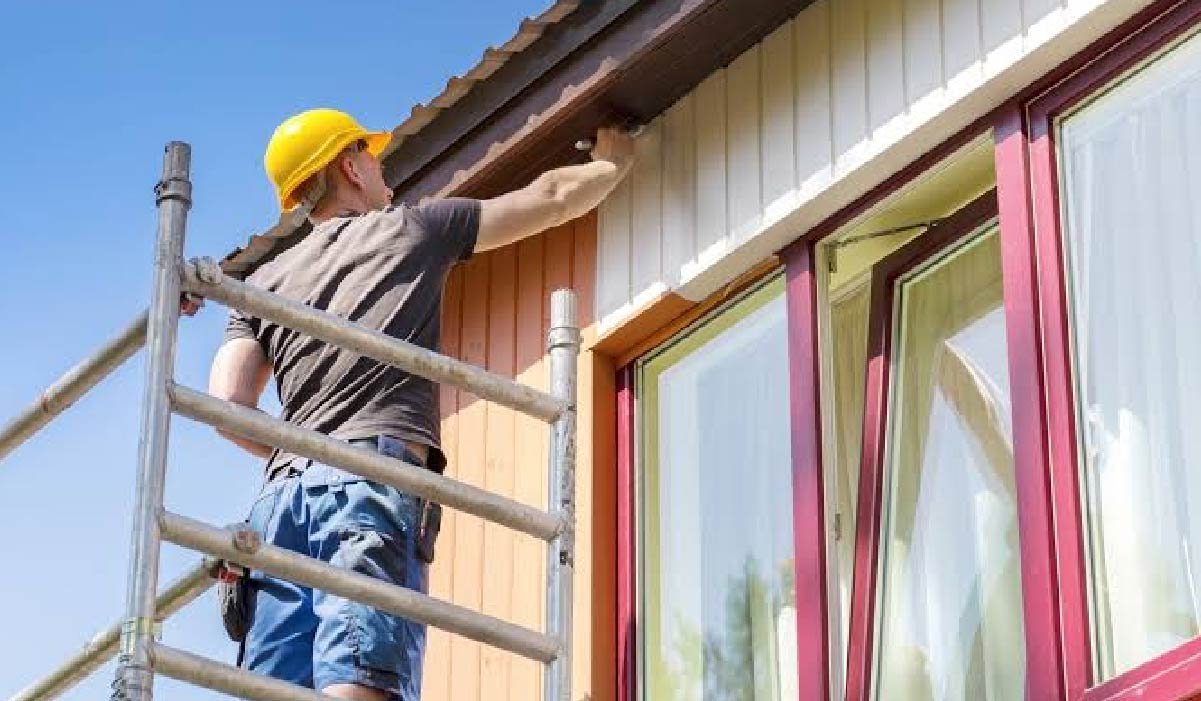
Exterior painting is an important part of maintaining a property’s appearance, protecting its structural components, and preserving the value of a home or commercial building. Although paint is often selected for its color and visual appeal, a properly planned painting project provides benefits that extend far beyond aesthetics. Quality paint creates a protective layer against moisture, sunlight, temperature changes, dirt, and other environmental conditions that gradually affect exterior surfaces. When the paint begins to peel, crack, fade, or blister, it may indicate that the existing coating has reached the end of its useful life or that an underlying surface requires attention. Understanding the importance of preparation, material selection, application techniques, and regular maintenance helps property owners make informed decisions and achieve durable results. A professional approach to exterior painting can transform an aging building into a cleaner, more attractive, and better-protected property while reducing the likelihood of recurring maintenance problems.
Why Exterior Paint Matters for Property Protection
The exterior surfaces of a building are continuously exposed to conditions that can gradually weaken their protective coatings. Rain, humidity, direct sunlight, wind, airborne pollutants, and seasonal temperature changes all contribute to the deterioration of paint and the materials beneath it. When a coating becomes damaged, water may penetrate small openings, wood can begin to deteriorate, and metal components may become more vulnerable to corrosion. Masonry and other porous surfaces can also develop staining or moisture-related problems when they are not properly maintained. Exterior painting helps establish a barrier between these materials and their surroundings, reducing exposure to damaging conditions when the correct products are selected and applied properly. However, paint should not be treated as a substitute for repairing leaks, replacing rotten wood, or resolving drainage problems. A successful project begins with identifying existing defects and addressing their causes before applying a fresh coating.Maintaining exterior paint also supports the long-term value of residential and commercial properties. A building with clean, consistent, and well-maintained surfaces generally creates a stronger first impression than one with faded colors, peeling coatings, or visible neglect. For homeowners, this improvement can make the property more inviting and support its presentation when refinancing or preparing for a potential sale. Commercial property owners can benefit from a professional appearance that reflects attention to maintenance and creates a welcoming environment for customers, visitors, and employees. Although a fresh coat of paint cannot correct every structural or maintenance issue, it can significantly improve the overall appearance of a building while helping preserve its existing exterior materials. Choosing suitable coatings and following an appropriate maintenance schedule allows property owners to protect their investment without waiting until visible deterioration becomes extensive.
Recognizing the Signs That Exterior Surfaces Need Attention
One of the most common indications that a building needs repainting is fading. Prolonged exposure to ultraviolet radiation can gradually break down pigments and affect the appearance of exterior coatings, making previously rich colors appear dull or uneven. Peeling, cracking, blistering, and flaking are other warning signs that should not be ignored. These problems can develop because of poor surface preparation, incompatible paint products, trapped moisture, excessive heat, or the natural aging of the existing coating. In some situations, discoloration may result from mildew, dirt, rust, or water stains rather than paint deterioration alone. Identifying the source of the problem is essential because applying new paint over a damaged or contaminated surface often produces disappointing results. Property owners should inspect vulnerable areas carefully, including window frames, door surrounds, trim, fascia boards, siding joints, and sections exposed to frequent moisture.Regular inspections can reveal minor defects before they develop into more expensive repairs. Small areas of peeling paint, deteriorating caulk, or exposed wood may be relatively straightforward to address when discovered early, whereas prolonged neglect can allow moisture to affect larger portions of the building envelope. Particular attention should be given to surfaces near roof edges, gutters, downspouts, and exterior openings because water frequently collects or enters around these locations. If paint repeatedly fails in the same area, the problem may involve inadequate ventilation, water intrusion, or another underlying condition that needs correction. A careful assessment helps determine whether the property requires localized maintenance or a more comprehensive repainting project. Taking action at the right time improves the chances of achieving an even finish and helps prevent the unnecessary application of paint over surfaces that are not ready to receive it.
The Importance of Proper Surface Preparation
Surface preparation is one of the most important stages of any painting project because even premium paint cannot perform properly when applied over unstable, dirty, or contaminated materials. Before work begins, exterior surfaces should be examined for loose paint, accumulated dust, mildew, grease, damaged caulking, and deteriorated building materials. Appropriate cleaning removes substances that could interfere with adhesion, while scraping and sanding help eliminate loose coatings and smooth transitions between painted and bare areas. Pressure washing may be suitable for certain durable surfaces, but it must be performed carefully to avoid forcing water behind siding, damaging wood fibers, or affecting vulnerable components. After cleaning, the surfaces need adequate time to dry according to the material, weather conditions, and product requirements. Skipping these steps can lead to premature peeling, uneven coverage, and a finish that requires correction sooner than expected.Repairs and priming should also be completed before the final coats are applied. Damaged trim, rotted boards, loose siding, and failed caulking need appropriate attention so that the new coating is not covering an unresolved defect. Bare wood, repaired patches, metal, and masonry may require different primers depending on the surface condition and the selected paint system. Primer helps establish a consistent foundation, supports adhesion, and can reduce uneven absorption that otherwise causes visible differences in the finished appearance. Existing coatings should also be evaluated for compatibility with the new products, particularly when changing paint types or applying a modern coating over an older finish. A methodical preparation process may require additional time, but it is essential for creating a smooth, durable result. Professional painters understand that the quality of the finished surface depends heavily on the work completed before the first coat is applied.
Choosing the Right Paint for Different Exterior Materials
Selecting the correct paint involves more than choosing an attractive color. Different exterior materials have different characteristics, and the coating must be compatible with the surface to provide reliable performance. Wood siding, for example, may need a flexible coating that accommodates minor expansion and contraction while providing suitable protection against moisture. Metal surfaces often require products designed to promote adhesion and resist corrosion, particularly when existing protective layers have worn away. Masonry and concrete may need breathable coatings that allow appropriate moisture movement rather than trapping water within the material. Previously painted surfaces must also be assessed for their condition, porosity, and compatibility with the proposed coating. Using a product that is unsuitable for the substrate can contribute to bubbling, cracking, poor adhesion, or other premature failures, regardless of how carefully the color is selected.Paint quality, finish, and durability should be considered alongside the material being coated. High-quality exterior products may provide better color retention, resistance to weathering, and more consistent coverage, although performance still depends on preparation and application. The finish also influences the final appearance because different levels of sheen reflect light differently and can affect how visible surface imperfections become. Flat finishes may help minimize the appearance of minor irregularities, while satin or semi-gloss finishes can provide different cleaning and visual characteristics depending on the product. Property owners should review manufacturer recommendations, expected exposure, maintenance needs, and the condition of the existing surface before making a selection. Consulting a knowledgeable painting professional can help narrow the available options and establish a coating system suited to the property’s specific requirements.
Selecting Exterior Colors That Complement the Building
Color selection has a significant influence on how a property looks from the street and how its architectural details are perceived. A carefully chosen color scheme can emphasize attractive features, create visual balance, and make an older building appear refreshed without requiring extensive renovation. Before selecting a final palette, property owners should consider the building’s architectural style, roof color, permanent exterior materials, landscaping, and the appearance of nearby structures. Neutral shades can provide a timeless foundation, while carefully selected accent colors can highlight shutters, doors, trim, and decorative features. Stronger colors may create a distinctive appearance, but they should be evaluated in relation to the entire exterior rather than chosen in isolation. Testing sample colors on different sections of the building is a practical way to observe how changing light affects their appearance throughout the day.The relationship between the main exterior color and the trim is equally important. Contrasting shades can emphasize window frames, corners, and other architectural details, while closely related colors may create a more subtle and unified effect. Front doors and selected decorative elements can provide opportunities to introduce a distinctive accent without overwhelming the overall design. Property owners should also consider long-term satisfaction because an exterior color scheme is more expensive and time-consuming to change than many interior finishes. Viewing samples in natural light, evaluating them against existing materials, and discussing practical considerations with a painting professional can help prevent costly mistakes. A thoughtful color plan ensures that the completed project supports both the building’s character and the owner’s maintenance goals.
How Professional Painting Services Improve Results
Professional painting services can simplify a project by combining surface assessment, preparation, product selection, application, and final inspection into a coordinated process. Experienced painters understand how different substrates respond to cleaning, sanding, priming, and coating, allowing them to identify potential problems before they affect the finished work. They can also determine which tools and application methods are suitable for particular surfaces, helping achieve more consistent coverage around corners, joints, trim, and detailed architectural features. A professional team can organize the work into manageable stages, establish realistic expectations, and account for drying times and changing weather conditions. These considerations are particularly valuable for larger properties or buildings with multiple exterior materials, where inconsistent preparation or rushed application can create noticeable differences in appearance and durability.When evaluating a contractor, property owners should look beyond the initial estimate and examine the scope of work being proposed. A useful estimate should explain the preparation process, expected repairs, primer requirements, number of coats, paint products, and areas included in the project. It should also clarify how surfaces will be protected, how waste will be handled, and what arrangements apply if unexpected damage is discovered. Asking about insurance, relevant experience, references, and workmanship warranties can provide additional confidence before work begins. Property owners seeking professional guidance can explore exterior painting services and determine which options align with their property’s condition and improvement goals. Clear communication before the project starts helps establish realistic expectations and reduces misunderstandings about materials, timing, and the quality of the final result.
Understanding Weather Conditions and Application Timing
Weather plays a major role in the success of an exterior painting project because temperature, humidity, wind, and precipitation can affect how coatings spread, dry, and cure. Applying paint when temperatures fall outside the manufacturer’s recommended range may interfere with film formation and lead to poor adhesion or an uneven finish. High humidity can slow drying, while direct sunlight and excessive heat may cause paint to dry too quickly, increasing the likelihood of visible brush marks or inconsistent application. Rain shortly before or after painting can also create problems if the surface remains damp or the coating has not developed sufficient resistance to moisture. For these reasons, the work schedule should be based on the specific product requirements and the expected conditions rather than convenience alone.A reliable project plan includes enough flexibility to accommodate weather changes without compromising the quality of the application. Surfaces should be dry, and the forecast should provide a suitable window for application and the required initial drying period. Wind conditions should also be considered because airborne dust can settle on wet paint, while wind may cause overspray to reach nearby vehicles, landscaping, or other surfaces. Professional painters typically monitor these conditions and adjust their schedule when necessary. Allowing adequate time for each stage helps the coating develop the intended appearance and performance. Although postponing work can be inconvenient, waiting for appropriate conditions is generally preferable to rushing the application and facing premature paint failure or additional repair costs.
Exterior Painting and Moisture Management
Moisture is one of the most significant factors affecting exterior paint performance, which makes water management an essential part of property maintenance. Rainwater should drain away from the building through properly functioning gutters, downspouts, and appropriate grading. Roof leaks, damaged flashing, poorly sealed windows, and failing exterior joints should be investigated before painting begins. If water repeatedly enters behind a coating, even a high-quality product may blister, peel, or lose adhesion as moisture affects the underlying material. Painting over damp wood or moisture-damaged masonry can conceal warning signs temporarily without resolving the original problem. A comprehensive inspection should therefore distinguish ordinary surface wear from conditions that require repair or professional assessment before new paint is applied.The condition of exterior caulking and joints deserves particular attention because these areas help limit water entry while accommodating normal movement between building components. Failed sealant around windows, doors, trim, and other openings should be replaced with an appropriate product after the underlying area has been inspected and prepared. However, not every joint should be sealed indiscriminately, since some building assemblies require drainage or ventilation pathways to function correctly. Proper moisture management depends on understanding how the exterior system is designed to handle water. By combining appropriate repairs with suitable coatings and regular inspections, property owners can reduce the likelihood of recurring deterioration. This integrated approach helps ensure that repainting contributes to the property’s overall protection rather than serving as a temporary cosmetic solution.
Maintaining Painted Surfaces After Completion
Once a painting project is complete, regular maintenance can help preserve the finish and identify small problems before they spread. Periodic visual inspections allow property owners to check for fading, peeling, cracks, mildew, damaged caulking, and areas where water appears to collect. Gentle cleaning can remove dirt, pollen, and other contaminants that make exterior surfaces look neglected, provided the cleaning method is suitable for the material and paint system. Gutters and downspouts should remain clear so that overflowing water does not repeatedly wet painted trim or siding. Landscaping should also be managed to prevent branches, vines, and dense vegetation from rubbing against exterior walls or restricting airflow near vulnerable surfaces. These practical steps help maintain the appearance of the property while reducing avoidable wear.Maintenance should be guided by the condition of the coating rather than by a single universal repainting schedule. Different products, substrates, exposure levels, and installation conditions affect how long a finish lasts. Surfaces that receive intense sunlight or frequent moisture may need attention sooner than protected areas, while high-quality coatings applied over properly prepared materials may remain in good condition for longer. When localized deterioration appears, prompt assessment can help determine whether cleaning, caulking, spot priming, touch-up painting, or a more extensive repaint is appropriate. Keeping records of the paint products, colors, and dates used during previous projects can also simplify future maintenance. A proactive approach reduces uncertainty and helps property owners plan improvements according to actual needs instead of waiting until widespread damage becomes visible.
Avoiding Common Exterior Painting Mistakes
Several common mistakes can reduce the lifespan and appearance of a painting project. Applying paint over dirty surfaces, neglecting repairs, skipping necessary primer, or failing to allow sufficient drying time can interfere with adhesion and create visible defects. Choosing a coating solely because it is inexpensive may also lead to problems if the product is unsuitable for the substrate or exposure conditions. Another frequent mistake is assuming that additional paint will compensate for poor preparation. Excessive coating thickness, incorrect application methods, and inadequate drying between coats can cause uneven finishes or interfere with the product’s performance. Careful planning and adherence to manufacturer instructions are more reliable ways to achieve a consistent result than rushing through the work or relying on shortcuts.Safety should also remain a priority throughout the project.Exterior painting may involve ladders, elevated surfaces, power tools, cleaning equipment, and products that require appropriate handling. Work areas should be protected from accidental spills, and nearby plants, outdoor furniture, windows, and walkways should be covered when necessary. Older buildings may contain lead-based paint, which requires special precautions and appropriate procedures rather than ordinary scraping or sanding. Property owners should seek qualified assistance when hazardous materials, extensive deterioration, or difficult access creates risks beyond routine maintenance. By planning the work carefully and addressing safety concerns before application begins, property owners can avoid preventable damage and create better conditions for a successful project.
Conclusion
Exterior painting is a valuable property improvement that combines visual enhancement with practical protection for exposed building materials. Achieving durable results requires more than selecting an attractive color because surface preparation, repairs, primer selection, product compatibility, weather conditions, and correct application all influence the finished coating. Property owners should pay attention to early signs of deterioration, investigate moisture problems, and choose materials suited to their specific exterior surfaces. Professional assistance can be especially useful when a project involves extensive preparation, multiple substrates, challenging access, or repairs that need to be completed before painting. After the work is finished, regular inspections, gentle cleaning, effective drainage, and timely maintenance can help preserve the appearance and performance of the coating. With careful planning and an emphasis on quality, exterior painting can refresh a property’s appearance, support long-term maintenance, and provide lasting value.
