

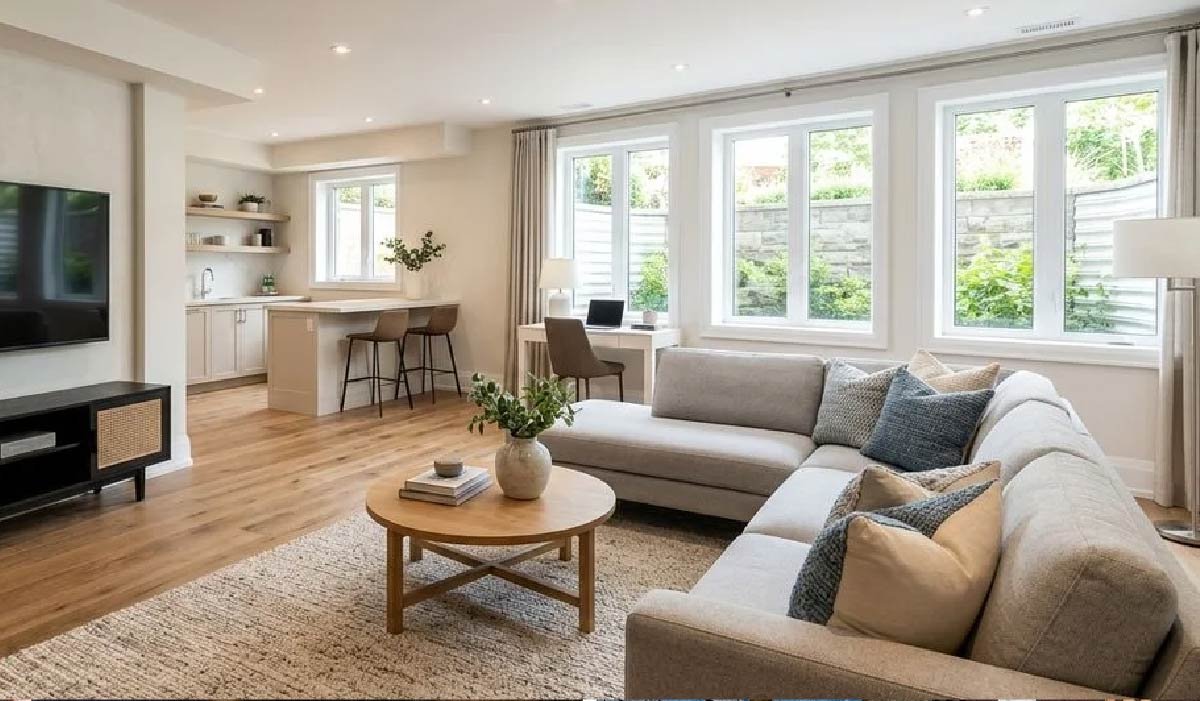
Basements are often among the most underutilized areas of a home, even though they can provide valuable additional space for bedrooms, family rooms, home offices, entertainment areas, and storage. Many homeowners hesitate to renovate their basements because these spaces tend to receive limited natural light, have inadequate ventilation, or experience moisture problems that make them feel uncomfortable. Improving basement windows can help address several of these concerns while creating a safer and more inviting environment. However, successful basement improvements require more than selecting an attractive window. Homeowners must consider emergency escape access, foundation strength, water drainage, insulation, and compliance with applicable building regulations. When these elements are carefully planned together, a basement can become a functional extension of the home rather than a dark and neglected area. Understanding the importance of proper window installation and moisture protection also helps homeowners make informed decisions that support the long-term condition of their property.
Understanding the Importance of Basement Window Improvements
Basement windows serve several important purposes, including providing natural light, supporting ventilation, and creating an opening that may be required for emergency escape. Traditional basement windows are sometimes small, positioned close to the ceiling, or installed primarily to provide minimal daylight. Although these windows may serve basic functions, they might not provide the opening size or accessibility needed when a basement becomes a regularly occupied living area. Homeowners who plan to renovate an unfinished basement should therefore evaluate the existing windows before making decisions about flooring, drywall, insulation, furniture, or other interior improvements. Identifying limitations early can prevent expensive changes after the renovation has already begun.Modern basement window solutions can improve both safety and everyday comfort when they are selected according to the property’s structure and intended use. Properly designed egress windows provide an emergency escape and rescue opening where required, while also allowing additional daylight into suitable basement spaces. Their installation may involve enlarging an existing foundation opening, excavating the exterior area, constructing a window well, and improving drainage around the opening. These steps must be completed carefully because basement foundations are exposed to soil pressure and moisture from the surrounding ground. A well-planned project considers the window itself and the conditions surrounding it, ensuring that the finished installation provides practical benefits without introducing avoidable structural or water-related problems.
Creating a Safer Environment for Basement Occupants
Emergency preparedness should be a central consideration whenever homeowners convert a basement into a bedroom or another frequently occupied space. During a fire, heavy smoke, or another emergency, the primary staircase may become difficult or dangerous to use. A properly designed secondary escape opening can provide an alternative route outside, giving occupants another way to reach safety. This is particularly important in basement bedrooms, where people may be sleeping when an emergency begins and might not have immediate access to the main exit. A suitable escape opening can also support emergency responder access when its design meets the relevant requirements. Nevertheless, the presence of a window alone does not automatically make a basement safe or compliant with building regulations.The effectiveness of an emergency escape opening depends on its clear opening dimensions, accessibility, operating mechanism, and surrounding conditions. Furniture, storage boxes, exercise equipment, and decorative objects should never obstruct the interior approach, while outdoor landscaping and accumulated debris should not prevent the window from opening fully. Window wells must provide sufficient room for occupants to exit, and certain configurations may require permanently installed steps or ladders. Homeowners should also consider whether children, older adults, or individuals with limited mobility could operate the window without unnecessary difficulty. Testing the opening periodically and explaining the household emergency plan to everyone who uses the basement can improve preparedness. Because requirements vary according to the applicable building code and the type of renovation, qualified professionals should verify the design before the work is completed.
Increasing Natural Light in Dark and Enclosed Spaces
Limited daylight is one of the most common reasons homeowners find their basements uncomfortable. Small windows, surrounding soil, nearby structures, and dense landscaping can prevent sunlight from reaching much of the interior. As a result, the space may feel enclosed even when it has enough floor area to accommodate useful activities. Introducing a larger, appropriately positioned window can improve the visual character of the room by allowing more natural light to enter. This can make a basement feel more welcoming and create a better environment for reading, working, exercising, relaxing, or spending time with family members.The amount of daylight entering a basement depends on the window’s size, orientation, glazing, height, and relationship to the surrounding ground. A properly designed window well can expose more of the window surface to outdoor light while maintaining the space needed for safe access. Interior design choices can also support brighter conditions, particularly when homeowners use lighter wall finishes, strategically positioned mirrors, and an uncluttered furniture arrangement. However, natural light should not be treated as a substitute for appropriate artificial lighting, especially in areas used during the evening or for tasks requiring good visibility. The window should first meet safety and structural requirements, with daylight improvement considered as part of the overall design. Combining these features can help transform an ordinary basement into a more pleasant and versatile living area.
Improving Ventilation and Indoor Air Quality
Basements can develop stale indoor air when airflow is limited, particularly in rooms that remain closed for long periods. Additional ventilation may help refresh the space and improve comfort when outdoor conditions are suitable. An operable window can allow fresh air to enter and warm indoor air to escape, which may be useful in home offices, recreation rooms, guest areas, and other spaces where people spend considerable time. Better ventilation can also help reduce lingering odors associated with everyday activities. However, the effectiveness of natural ventilation depends on outdoor weather, humidity, air movement, and the overall design of the building.Moisture management remains essential because opening a basement window does not always improve indoor air conditions. During humid weather, warm outdoor air can enter a cooler basement and release moisture when it contacts cold walls, floors, or pipes. This may increase condensation instead of reducing dampness. Homeowners should therefore monitor indoor humidity and consider dehumidification, suitable insulation, and appropriate mechanical ventilation when necessary. Persistent musty odors, visible mold growth, peeling paint, and damp patches may indicate a moisture problem that requires investigation. Addressing the source of the moisture is more effective than attempting to solve every issue through additional airflow. A comprehensive approach that combines appropriate ventilation with waterproofing and drainage improvements can support a healthier and more comfortable basement environment.
Preparing the Foundation for a New Window Installation
Installing a larger window in an existing basement is a construction project that requires careful planning. Foundation walls are designed to support the building and resist pressure from the surrounding soil, so cutting a new opening without understanding the wall’s structure can create serious problems. Depending on the existing construction, the work may involve concrete cutting, masonry removal, excavation, reinforcement, and the installation of a suitable window frame. If the opening is incorrectly positioned or inadequately supported, the wall may develop cracks or experience movement that compromises the performance of the foundation. For this reason, homeowners should avoid treating a basement window installation as a simple cosmetic upgrade.Before construction begins, a qualified professional should evaluate the foundation material, wall thickness, existing cracks, nearby utilities, and the location of structural components. The design may need to account for floor joists, beams, plumbing lines, electrical services, and exterior drainage features. In some situations, an engineer may need to determine the appropriate reinforcement or support for the modified wall. Excavation must also be planned to avoid damaging underground services or destabilizing nearby structures. Depending on the project and applicable regulations, building permits and inspections may be required. Thorough preparation helps identify potential complications before work begins, allowing the installation to proceed according to a clear plan. It also helps protect the home’s structural stability while creating an opening that meets the intended safety and usability requirements.
Preventing Water Leaks Around Basement Windows
Water intrusion is a major concern whenever an opening is created in a below-grade foundation wall. Rainwater, melting snow, and surface runoff can collect around the exterior window area, particularly when the soil slopes toward the building or drainage systems are not functioning properly. If water remains against the window frame, it may enter through gaps, deteriorated seals, damaged masonry, or poorly integrated flashing. Even relatively small leaks can cause considerable damage when they continue over time, affecting drywall, insulation, flooring, stored possessions, and nearby structural materials. Persistent moisture may also create conditions that support mold growth and unpleasant odors.Preventing these problems requires an installation that connects the window properly with the surrounding foundation and waterproofing system. Suitable flashing, compatible sealants, secure framing, and careful detailing help reduce the risk of leakage at vulnerable joints. Exterior grading should direct surface water away from the house, while gutters and downspouts should carry roof runoff to appropriate discharge points. The surrounding window well must also be designed to prevent water from accumulating against the foundation. Depending on the site’s conditions, an appropriate drain may need to connect to an approved drainage arrangement. Homeowners should not assume that a new window will resolve existing basement dampness, because water may be entering through other parts of the foundation. A professional moisture assessment can identify the likely source and determine which waterproofing or drainage improvements are needed to protect the completed installation.
Designing Window Wells for Proper Drainage and Access
A window well creates the exterior clearance needed when a basement window is positioned below ground level. It helps keep soil away from the opening, allows daylight to reach the glass, and provides the space needed to operate the window and exit during an emergency. However, the well also creates a low point where rainwater, leaves, dirt, and other debris can accumulate. Without suitable drainage, the area may hold water against the foundation and increase the possibility of leaks. Its design must therefore balance emergency access, structural requirements, weather protection, and long-term maintenance.Proper window well construction begins with an assessment of the soil, surrounding grade, foundation condition, and available drainage options. The well should provide sufficient clearance for the window to open and meet applicable escape requirements. Where required, a permanently installed ladder or steps should be positioned so occupants can exit safely. Drainage may involve free-draining aggregate and a suitable connection to an approved system, depending on site conditions. Gravel alone is not a reliable solution when the underlying soil drains poorly or the groundwater level is high. Homeowners should also understand that a cover must not interfere with emergency escape or prevent the window from opening as required. Routine maintenance should include removing leaves and sediment, checking for standing water, and examining the well for movement or damage. These simple precautions can help preserve both drainage performance and safe accessibility.
Managing Basement Moisture Before Completing Renovations
A basement renovation should not proceed directly to cosmetic improvements when signs of water intrusion are already present. Damp foundation walls, peeling paint, white mineral deposits, musty odors, and recurring puddles may indicate that moisture is entering through cracks, floor joints, plumbing leaks, or poorly managed exterior drainage. Installing new flooring and drywall over these conditions can conceal the warning signs while allowing damage to continue behind finished surfaces. Over time, this may lead to deteriorating materials, persistent odors, and more complicated repair work. Homeowners should investigate the source of moisture before investing in finishes that could later need to be removed.A complete assessment considers the foundation walls, floor, plumbing connections, gutters, downspouts, exterior grading, and any existing sump or drainage system. Surface water problems may be corrected by adjusting the soil slope or improving roof runoff management, while other conditions may require foundation crack repairs, exterior waterproofing, or an appropriate interior drainage system. The correct solution depends on the source, severity, and pattern of the water intrusion. Significant foundation movement, recurring flooding, or cracks that appear to be widening should receive professional evaluation rather than repeated temporary patching. Basement waterproofing specialists can help determine which repairs are appropriate and whether additional investigation is necessary. Resolving moisture problems before installing new windows and finishes helps protect the entire renovation and reduces the likelihood of recurring damage.
Choosing Durable and Energy-Efficient Window Materials
The materials used in a basement window affect its durability, energy performance, maintenance needs, and ability to withstand changing environmental conditions. Frames should be suitable for the basement’s moisture exposure and temperature variations, while glazing should provide appropriate insulation and weather resistance. Proper weatherstripping and secure installation help reduce unwanted drafts and moisture movement around the frame. Homeowners should compare product specifications, operating mechanisms, maintenance requirements, and manufacturer recommendations rather than choosing a window based on appearance or purchase price alone.Energy efficiency is especially important when a basement becomes a regularly occupied living area. A poorly sealed window can contribute to uncomfortable drafts, increased heating and cooling demands, and condensation around the frame. Suitable glazing and careful installation can help reduce heat transfer while supporting a more stable indoor temperature. However, energy performance must not compromise emergency escape requirements. The selected window should provide the required clear opening when fully open, and its operating mechanism should be practical for the people who may need to use it. Different window styles have different clearance and operating characteristics, so homeowners should verify that the selected product fits the opening and satisfies local requirements. Professional installation can help ensure that the frame, flashing, insulation, and surrounding waterproofing work together as intended.
Maintaining Windows and Protecting the Surrounding Foundation
Regular maintenance helps preserve the safety and performance of basement windows long after installation. Homeowners should inspect frames, seals, hinges, locks, and operating mechanisms for signs of deterioration or damage. Windows should open smoothly and provide the required clearance without being blocked by furniture or stored belongings. If a mechanism becomes difficult to operate, it should be repaired promptly rather than left until an emergency occurs. Checking the window after severe weather can also help identify water entry, damaged seals, or changes in the surrounding exterior conditions before they cause more extensive problems.The window well and nearby foundation require equal attention. Leaves, soil, and other debris should be removed regularly so that drainage openings remain clear and water does not accumulate. Homeowners should check for standing water after heavy rainfall, examine covers for damage, and look for gaps between the well and the foundation. Gutters and downspouts should also be inspected because overflowing roof runoff can increase moisture pressure around basement walls. If new cracks, persistent leaks, or unusual foundation movement appear, a qualified professional should investigate the condition and recommend suitable repairs. Consistent maintenance does not eliminate every possible problem, but it helps homeowners identify developing concerns early and protect the investment made in the basement renovation.
Making Basement Living Spaces More Functional
A properly planned basement renovation can create valuable additional living space without requiring a major extension to the existing home. Depending on the property’s layout and applicable regulations, the basement may be suitable for a family room, hobby area, exercise space, guest accommodation, or home office. Better daylight and appropriate ventilation can make these areas more comfortable, while a suitable emergency escape opening can support safer use where required. These improvements may also help homeowners make better use of existing square footage rather than allowing the basement to remain an unfinished storage area.The success of the renovation depends on considering the entire space rather than focusing exclusively on the windows. Ceiling height, stairs, electrical systems, heating, insulation, fire safety, moisture protection, and required emergency openings all influence whether the basement is appropriate for its intended use. Homeowners should determine the applicable requirements before choosing furniture, designing room layouts, or installing permanent finishes. A coordinated plan can help ensure that structural modifications and waterproofing work are completed before interior construction begins. This reduces the risk of having to remove finished materials to correct drainage issues or modify an opening later. When safety, comfort, and foundation protection are addressed together, the basement can become a practical extension of the home that supports changing household needs.
Conclusion
Basement window improvements can play an important role in making a home safer, brighter, and more functional. Properly designed egress windows can provide an essential emergency escape route where required, improve access to natural daylight, and support a more comfortable environment for everyday activities. However, successful installation depends on much more than selecting the correct window size. Foundation preparation, structural support, window well clearance, effective drainage, suitable waterproofing, and compliance with applicable building regulations must all be considered before construction begins. Regular inspections and maintenance help preserve the window’s performance while reducing the risk of leaks, obstructions, and other avoidable problems.Homeowners planning basement improvements should also address existing moisture concerns before installing new flooring, insulation, or drywall. Correcting drainage issues and protecting the foundation can help prevent recurring water damage and support the long-term durability of the renovation. Working with qualified professionals allows homeowners to evaluate the property’s conditions, select appropriate materials, and coordinate the different stages of construction. By combining emergency preparedness with effective moisture management and thoughtful design, homeowners can transform underused basement areas into comfortable, practical spaces while protecting the structural condition and long-term value of their homes.
