

A beautifully finished interior is not defined by wall colors and furniture alone. Small architectural details often make a significant difference in the overall appearance of a room, and painted trim is one of the most noticeable elements. Baseboards, door frames, window casings, crown molding, and other decorative features help create a polished appearance while adding character to interior spaces. When these elements are properly prepared and painted, they provide a clean contrast against walls, highlight architectural details, and make an entire room feel more complete. Although trim may occupy less surface area than walls or ceilings, its appearance can strongly influence the quality of the finished space.
Trim painting is an important part of interior improvement because it refreshes worn surfaces, protects wooden materials, and creates a consistent appearance throughout a property. Over time, painted trim can develop scratches, stains, chips, fading, and other signs of everyday wear. Doors and baseboards are particularly vulnerable because they experience frequent contact from furniture, footwear, cleaning equipment, and general household activities. Applying a fresh coat of paint can restore their appearance while providing an additional protective layer. Achieving a professional result, however, requires proper preparation, suitable materials, careful application, and attention to detail.
Understanding the Importance of Painted Trim
Interior trim serves both decorative and practical purposes. It covers transitions between different building materials, protects exposed edges, and creates visual boundaries around architectural features. Baseboards protect the lower sections of walls, door casings provide a finished appearance around openings, and window trim helps frame windows while concealing installation gaps. Crown molding creates a transition between walls and ceilings, adding another level of visual interest to a room.
Painted trim helps these features stand out while maintaining a coordinated interior design. A crisp white finish can create a timeless appearance, while darker colors may introduce contrast and a more contemporary feel. Some property owners prefer matching trim to the wall color for a subtle, unified effect, whereas others choose contrasting shades to emphasize architectural details.
Beyond aesthetics, a properly applied paint finish can help protect trim from moisture, dirt, minor impacts, and everyday wear. This is particularly important in busy areas such as hallways, kitchens, bathrooms, and entryways. Selecting a suitable paint product and applying it correctly can improve both the durability and appearance of these surfaces.
Different Types of Interior Trim
Before starting a painting project, it is important to understand the different types of trim commonly found inside residential and commercial buildings. Each type has its own shape, material, and preparation requirements, which can influence the application process.
Baseboards are installed along the bottom edges of interior walls. They protect wall surfaces from furniture, shoes, vacuum cleaners, and cleaning equipment. Because they are close to the floor, baseboards often collect dust and experience scratches, scuffs, and stains. A durable finish is especially useful in these areas.
Door casings surround door openings and provide a neat transition between the door frame and wall. They may feature simple rectangular profiles or more decorative designs. Since doors are used frequently, their surrounding trim can develop fingerprints, scratches, and worn areas that require occasional repainting.
Window casings frame the edges of windows and contribute to the overall appearance of a room. These surfaces may be exposed to sunlight, temperature changes, and condensation, depending on their location. Proper surface preparation and suitable paint selection are therefore important for maintaining their appearance.
Crown molding is installed near the ceiling and often features decorative shapes or detailed profiles. Its elevated position makes it less exposed to physical contact, but dust accumulation, paint deterioration, and visible imperfections can still affect its appearance.
Other examples include chair rails, picture rails, decorative wall panels, and built-in cabinet trim. Each element contributes to the architectural character of a space and should be painted with attention to its shape and surrounding finishes.
Choosing the Right Paint for Trim
Selecting the appropriate paint is one of the most important decisions in any trim project. Unlike large wall surfaces, trim often experiences frequent contact and requires a finish that can withstand regular cleaning and everyday use. The paint should provide good adhesion, a smooth appearance, and sufficient durability for the material and environment.
Water-based acrylic and enamel paints are popular choices for interior trim. Modern water-based formulations generally offer easier cleanup, lower odor, and relatively quick drying times. They are suitable for many properly prepared interior surfaces and are available in different sheen levels.
Oil-based paints have traditionally been used for trim because they can produce a hard, durable finish with excellent leveling characteristics. However, they generally require stronger ventilation, longer drying times, and more involved cleanup. Product selection should consider current environmental regulations and the condition of any existing coating.
Paint sheen also influences the final appearance. Semi-gloss finishes are widely used for trim because they provide noticeable shine and are relatively easy to clean. Satin finishes offer a softer appearance while still providing practical durability. Gloss finishes create a highly reflective surface that emphasizes architectural details but can make imperfections more visible.
The best choice depends on personal preferences, existing finishes, room conditions, and manufacturer recommendations. Using a high-quality product designed specifically for interior trim can help achieve a more consistent and durable result.
Preparing Surfaces Before Painting
Surface preparation is essential for achieving a professional finish. Even expensive paint cannot hide dirt, loose coatings, rough patches, or poorly repaired damage. Taking time to prepare trim correctly helps improve adhesion and reduces the likelihood of peeling, bubbling, and uneven coverage.
The first step is cleaning. Trim should be free from dust, grease, fingerprints, and other contaminants. A suitable cleaning solution can remove accumulated dirt, especially around door frames, kitchens, and frequently touched surfaces. After cleaning, the surface must be allowed to dry completely before additional preparation begins.
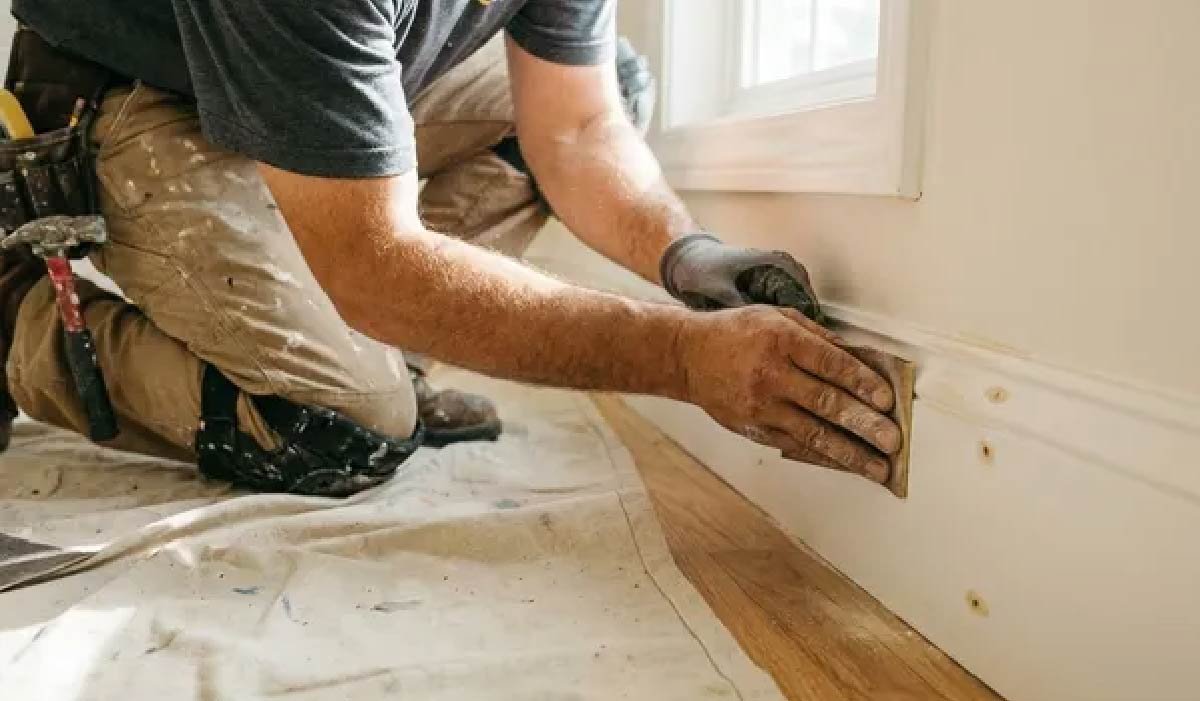
Next, inspect the trim for damage. Small dents, nail holes, scratches, and cracks can usually be repaired using an appropriate filler. Once the repair material has dried, the area should be sanded smoothly so that it blends with the surrounding surface.
Light sanding may also be necessary to create a suitable surface for the new coating. Glossy existing finishes can prevent new paint from adhering properly, so sanding helps reduce excessive shine and improves mechanical adhesion. Care should be taken when working on older coatings because some may contain hazardous materials, including lead. Suspected lead-based paint should be assessed and handled by qualified professionals rather than disturbed through ordinary sanding.
Finally, remove sanding dust with a clean cloth or suitable vacuum attachment. Masking tape can be applied along adjacent walls, floors, glass, and other surfaces that need protection. Proper preparation creates the foundation for a smooth and attractive finish.
The Role of Priming in a Professional Finish
Primer is an important part of many trim painting projects, particularly when working with bare wood, repaired surfaces, stains, or significant color changes. It helps create a consistent base and can improve the adhesion of the finishing coat.
Bare wood may absorb paint unevenly, resulting in differences in color and sheen. A suitable primer helps seal the surface and creates a more uniform foundation. Some wood species contain natural oils or tannins that can discolor paint, so an appropriate stain-blocking primer may be necessary.
Previously painted trim in good condition may not always require a full coat of primer. However, areas where the existing coating has been removed, repairs have been completed, or stains are present may need spot priming.
Primer should be selected according to the surface material and the type of finishing paint. Following the manufacturer’s instructions regarding application, drying time, and recoating intervals is essential. Rushing this stage can affect the final result and may lead to adhesion problems.
Tools and Materials Needed for Trim Painting
Using appropriate tools makes the work more manageable and helps produce clean, consistent results. The equipment required depends on the size of the project, the shape of the trim, and the condition of the existing surfaces.
A high-quality angled paintbrush is one of the most useful tools for this type of work. Its shape allows painters to follow edges, reach corners, and work around decorative profiles. Smaller brushes can provide better control when dealing with narrow sections or detailed molding.
Mini rollers may be useful for wider, relatively flat sections of trim. They can help distribute paint more evenly and reduce visible brush marks when used with the correct roller material.
Other useful supplies include sandpaper, cleaning cloths, surface filler, putty knives, painter’s tape, drop cloths, primer, and suitable paint. A sturdy step ladder may also be necessary when working on crown molding or elevated decorative features.
Investing in reliable tools can make a noticeable difference in application quality. Clean brushes and properly maintained equipment also help prevent unwanted marks, debris, and inconsistent coverage.
Techniques for Achieving Smooth and Even Results
The application technique has a major influence on the final appearance of painted trim. Even when the surface is prepared correctly, careless brushwork can create streaks, drips, uneven coverage, and visible overlaps.
Before applying paint, stir the product thoroughly according to the manufacturer’s recommendations. Paint should be applied in controlled amounts rather than loading excessive material onto the brush. Too much paint can create runs and buildup around corners, edges, and decorative profiles.Working in manageable sections helps maintain a consistent appearance. Painters should follow the natural direction and shape of each trim component, keeping brush strokes controlled and avoiding unnecessary repeated brushing as the coating begins to dry.
For wider flat surfaces, a suitable mini roller can provide an even application. A brush may then be used to refine edges and detailed areas. Maintaining a consistent wet edge helps reduce visible lap marks and differences in sheen.
Most trim projects require more than one coat to achieve complete coverage and a uniform appearance. The first coat may reveal imperfections or areas where the previous color remains visible. After the recommended drying period, a second coat can improve coverage and create a more consistent finish.Patience is essential throughout the process. Allowing each coat to dry properly helps prevent surface damage and ensures the final finish develops as intended.
Common Mistakes to Avoid
Several mistakes can affect the quality and durability of a trim painting project. One of the most common is skipping surface preparation. Applying paint over dust, grease, loose coatings, or damaged surfaces can lead to peeling and uneven results.
Using the wrong paint is another frequent problem. Interior wall paint may not provide the durability or finish required for frequently touched trim. Choosing a product specifically designed for trim and other high-contact surfaces is generally a better approach.Applying excessive paint can cause drips, thick edges, and visible brush marks. It is usually more effective to apply controlled, even coats and allow adequate drying time between applications.
Poor masking and inadequate surface protection can also create unnecessary cleanup work. Paint may accidentally reach walls, floors, windows, or nearby furniture. Using suitable protective coverings and carefully applied masking tape helps prevent these problems.Finally, rushing the project can compromise the results. Painting over wet coatings, removing masking tape carelessly, or handling surfaces before they have cured can damage an otherwise attractive finish. Following the recommended product instructions is essential for achieving a lasting result.
Color Selection and Interior Design Considerations
The color of painted trim can significantly influence the visual character of an interior. White remains a popular choice because it creates a clean, bright appearance and works with many wall colors and design styles. It can also highlight architectural features without making a room feel overly complicated.Neutral shades such as cream, beige, warm gray, and soft taupe provide a more subtle alternative. These colors can complement traditional and contemporary interiors while creating a coordinated appearance.
Darker trim colors, including charcoal, navy, and deep brown, can introduce contrast and create a distinctive design statement. They may work particularly well in rooms with lighter walls, although the overall lighting and proportions of the space should be considered.Matching trim to the wall color is another option. This approach can create a continuous appearance and make architectural details feel less prominent. It may be particularly suitable for minimalist interiors where simplicity and visual consistency are important.
When selecting a color, consider flooring, cabinetry, doors, furniture, natural lighting, and existing decorative features. Testing sample colors on a small section of trim can help determine how the selected shade looks under different lighting conditions.
Painting Trim in Different Rooms
Different rooms have different environmental conditions and usage patterns, so paint selection and preparation should reflect their specific requirements.
In living rooms and bedrooms, trim generally experiences moderate wear. A durable satin or semi-gloss finish can provide an attractive appearance while making routine cleaning easier. Crown molding and decorative wall features may require additional attention because imperfections can become noticeable under direct lighting.Kitchens require more careful consideration because grease, moisture, and frequent cleaning can affect painted surfaces. A suitable washable paint product can help maintain a clean appearance around door frames, baseboards, and cabinetry.
Bathrooms often experience higher humidity and condensation. Paint should be suitable for the conditions, and surfaces must be properly prepared to support adhesion. Persistent moisture problems should be corrected before repainting because a new coating cannot solve underlying ventilation or water intrusion issues.Hallways and entryways experience frequent contact from people, shoes, bags, and furniture. Durable finishes are particularly valuable in these areas because they are more likely to develop scratches and scuff marks.
Maintenance and Care After Painting
Once the painting work is complete, regular maintenance helps preserve the appearance of the finish. Dust and dirt should be removed periodically using a soft cloth or suitable cleaning tool. For marks and fingerprints, a mild cleaning solution can be used when permitted by the paint manufacturer.Harsh chemicals, abrasive pads, and excessive scrubbing should be avoided because they may dull or damage the coating. Cleaning methods should be appropriate for the specific paint finish and the age of the coating.
Small chips and scratches should be repaired when they appear. Keeping a small amount of leftover paint from the original project can make future touch-ups easier. However, the repaired area should be cleaned and prepared properly before additional paint is applied.It is also important to allow sufficient curing time before exposing freshly painted trim to heavy cleaning or repeated physical contact. Although paint may feel dry relatively quickly, complete curing can take considerably longer depending on the product and environmental conditions.
Why Professional Trim Painting Services Can Be Beneficial
While smaller painting projects may be manageable for homeowners, professional services can provide valuable advantages when dealing with extensive trim, detailed molding, older coatings, or high-end interior finishes.Experienced painters understand how different materials respond to preparation products, primers, and paint formulations. They can identify surface defects, recommend suitable materials, and use application techniques that produce clean edges and consistent coverage.
Professional services can also save time, particularly when a property contains multiple rooms, complicated architectural details, or large quantities of baseboards and door casings. Proper equipment and organized work practices help make the process more efficient.Another benefit is attention to detail. Trim painting often requires careful work around walls,flooring, windows, hardware, and other finished surfaces. Experienced professionals understand how to protect surrounding areas and maintain a consistent appearance throughout the property.
When selecting a painting contractor, review previous projects, customer feedback, material recommendations, and the scope of the written estimate. A reliable professional should explain the preparation process, paint specifications, expected completion time, and any additional repairs that may be required.
Conclusion
Trim plays an important role in creating a polished and visually balanced interior. Although baseboards, door frames, window casings, and crown molding may seem like minor architectural features, their condition can influence the overall appearance of a property. A fresh, professionally applied finish can restore worn surfaces, highlight decorative details, and provide additional protection against everyday damage.
Successful trim painting depends on several important factors, including proper cleaning, surface repairs, sanding, priming, suitable paint selection, and careful application. Paying attention to these details helps prevent common problems such as peeling, uneven coverage, visible brush marks, and premature deterioration.
Whether updating a single room or refreshing an entire property, choosing quality materials and following appropriate painting practices can make a meaningful difference. With consistent maintenance and the right application techniques, painted trim can remain attractive and durable for years, contributing to a clean, welcoming, and well-maintained interior.
