

Water management is an essential part of maintaining a safe, comfortable, and structurally sound property. Excess moisture, groundwater accumulation, heavy rainfall, and drainage problems can create serious challenges for homeowners and commercial property managers. One of the most effective ways to manage unwanted water around foundations and below-ground spaces is through a properly installed and maintained sump pump system. These systems are designed to collect excess water in a designated basin and move it away from the building before it can cause significant damage. Whether installed in a basement, crawl space, utility room, or another moisture-prone area, a reliable pumping system can help protect structural components, personal belongings, and valuable equipment.
Water intrusion is not always immediately noticeable, particularly when it develops beneath floors or around foundation walls. Small amounts of groundwater can gradually accumulate, creating damp conditions that encourage mold growth, unpleasant odors, material deterioration, and potential structural problems. During periods of heavy rainfall or rising groundwater levels, these issues can become more serious and may result in basement flooding. Installing an appropriate drainage and pumping system can provide an effective solution by controlling water accumulation and directing it toward a suitable discharge location. Understanding how these systems work, recognizing warning signs, and arranging professional installation and maintenance can help property owners prevent expensive repairs and maintain healthier indoor environments.
Understanding How a Sump Pump System Works
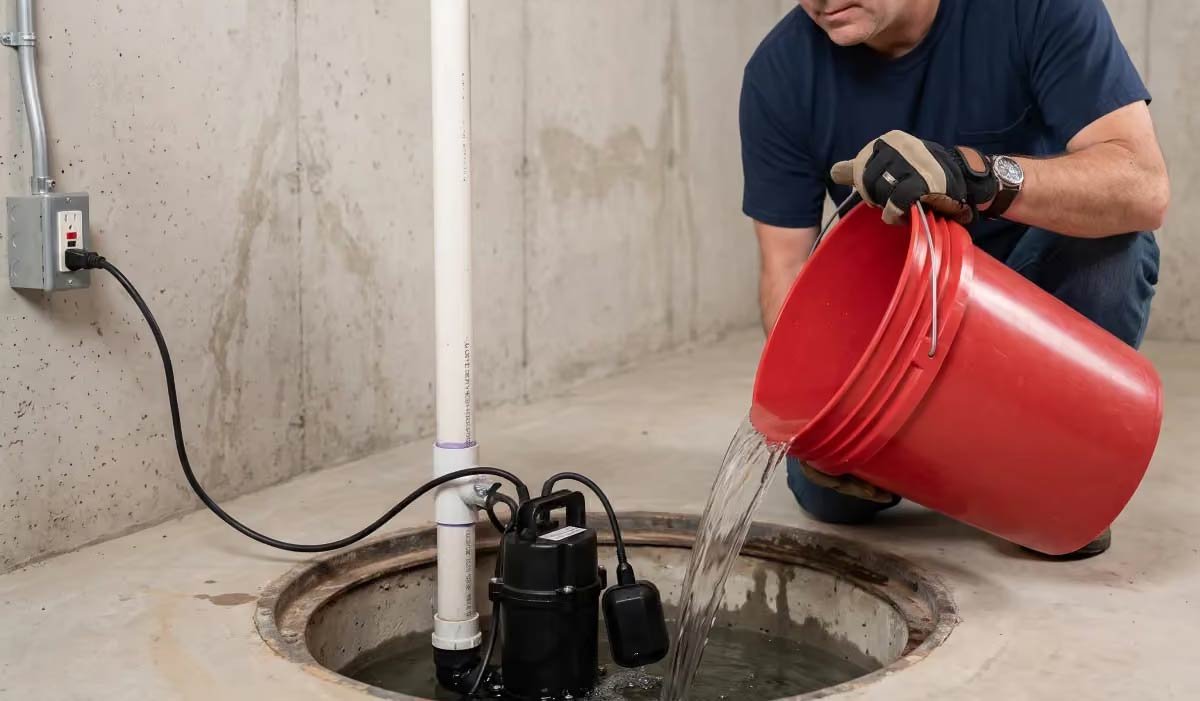
A sump pump is a mechanical device designed to remove accumulated water from a collection basin, commonly called a sump pit. The pit is usually installed at the lowest point of a basement or another area where groundwater naturally collects. When water enters the basin and reaches a predetermined level, a float switch or another activation mechanism signals the pump to begin operating. The pump then moves the water through a discharge pipe and directs it away from the building.
Most systems operate automatically, which means property owners do not need to manually activate the equipment whenever water accumulates. This automatic operation is particularly valuable during heavy rainfall, overnight flooding risks, or periods when the property is unoccupied. Once the water level decreases, the activation mechanism switches the pump off until additional water enters the basin.
The effectiveness of a pumping system depends on several factors, including pump capacity, pit size, drainage design, discharge arrangements, and the amount of groundwater entering the property. Choosing equipment that matches the building’s requirements is essential for achieving reliable performance. Professional assessment can help determine the most suitable system and identify any additional drainage improvements that may be necessary.
Why Proper Basement Water Management Is Important
Basements and below-ground spaces are particularly vulnerable to moisture because they are surrounded by soil that may become saturated during rainfall or changes in groundwater conditions. Water can enter through foundation cracks, poorly sealed joints, damaged drainage systems, and other vulnerable areas. Even when flooding is not immediately visible, persistent moisture can gradually affect the building and its indoor environment.
Excessive moisture can damage flooring, carpets, drywall, insulation, stored belongings, and electrical equipment. Wooden materials may deteriorate, metal components can corrode, and stored items may become unusable. In addition, damp environments can encourage mold and mildew growth, which may contribute to unpleasant odors and indoor air quality concerns.
Water accumulation around foundations can also create long-term maintenance challenges. Persistent moisture may affect construction materials and contribute to deterioration when drainage problems remain unresolved. A properly designed pumping system helps manage collected water and reduces the likelihood of flooding in vulnerable areas. Combining this equipment with effective drainage, foundation maintenance, and moisture control provides a more comprehensive approach to protecting a property.
Common Signs That Your Property Needs a Sump Pump
Recognizing early warning signs of water intrusion can help homeowners address drainage problems before they become more serious. One of the most obvious indicators is standing water on basement floors or in low-lying areas. Even small pools of water should be investigated because they may indicate groundwater pressure, foundation leakage, or an inadequate drainage arrangement.
Persistent dampness is another common warning sign. If basement walls feel wet, flooring remains moist, or stored belongings develop a musty smell, the property may have an ongoing moisture problem. Water stains, peeling paint, bubbling wall finishes, and discoloration can also indicate previous or recurring water intrusion.
Homeowners should pay attention to unusual humidity levels and recurring mold or mildew growth. These problems may develop when moisture remains trapped in enclosed spaces without adequate ventilation. Properties that experience repeated water accumulation after rainfall may benefit from a professional drainage assessment. A technician can evaluate the source of the moisture and determine whether a pumping system, foundation repair, or another water management solution is appropriate.
Different Types of Sump Pumps and Their Applications
Different pumping systems are available to suit varying property conditions and drainage requirements. Understanding the main options helps property owners select equipment that provides suitable performance without unnecessary operating costs. The most common designs include submersible and pedestal pumps, although specialized configurations are also available for certain applications.
Submersible pumps are installed inside the sump basin, where the motor and pumping components operate underwater. Because the equipment is positioned below floor level, these systems are generally quieter and take up less visible space. They are commonly selected for residential basements where reliable automatic water removal is important.
Pedestal pumps have a motor positioned above the sump pit, while a connected intake component extends into the basin. This arrangement keeps the motor outside the water and can make certain maintenance tasks more accessible. However, pedestal models may produce more operating noise and require additional space around the basin.
Battery-backed systems provide another layer of protection during electrical interruptions. These systems can operate a secondary pump or provide backup power when the main electrical supply becomes unavailable. Their usefulness is particularly important in areas where storms can cause both heavy rainfall and power outages. The right choice depends on the property’s water conditions, expected pumping demand, available space, and reliability requirements.
The Importance of Professional Sump Pump Installation
Proper installation plays a major role in determining how effectively a pumping system protects a building. Even high-quality equipment may perform poorly if the collection basin is incorrectly positioned, the discharge arrangement is unsuitable, or the activation mechanism is not configured properly. Professional installation helps ensure that the complete system works together according to the property’s drainage requirements.
The installation process generally begins with an assessment of the basement, foundation, existing drainage arrangements, and areas where water accumulates. Based on these findings, the technician can recommend an appropriate pump type, basin configuration, and discharge route. The selected equipment should have sufficient capacity to manage expected water inflow without unnecessary cycling or excessive strain.
Correct discharge placement is equally important. Water should be directed away from the foundation in accordance with applicable drainage requirements. If discharged water returns toward the building, the system may repeatedly collect the same moisture, reducing its effectiveness. Professional installation helps address these considerations while ensuring that electrical connections, controls, and safety features are properly handled.
How to Choose the Right Pump Capacity
Selecting an appropriate pump capacity is essential for reliable water management. Pump performance is commonly measured by the amount of water the equipment can move over a specified period. However, the advertised pumping capacity alone does not determine whether a particular model will suit a property. The actual performance also depends on the vertical distance water must travel, discharge pipe dimensions, pipe resistance, and other installation conditions.
A property that experiences occasional groundwater accumulation may have different requirements from a basement that receives substantial water during severe rainfall. Similarly, a system serving a large collection area may need greater capacity than one protecting a smaller utility space. Choosing equipment without considering these conditions can result in inadequate water removal or unnecessary energy consumption.
Professional technicians evaluate expected water inflow and the total pumping requirements before recommending a model. They may also consider the possibility of future changes, such as basement renovations or improvements to the surrounding drainage system. Selecting equipment based on actual operating conditions helps support dependable performance and reduces the risk of premature equipment failure.
Understanding Battery Backup and Emergency Protection
Electrical interruptions can create serious challenges for properties that depend on automatic water removal. Heavy storms may cause power outages at the same time that rainfall and groundwater levels increase. If the primary pumping system depends entirely on electricity from the main supply, it may stop operating when protection is needed most.
Battery backup systems provide an additional level of protection by allowing a secondary pump or compatible backup arrangement to operate during a power failure. These systems are particularly valuable for buildings with finished basements, expensive stored belongings, electrical equipment, or a history of water intrusion.
Some backup systems include alarms that notify property owners when the primary pump stops working, the backup system activates, or the battery requires attention. Regular testing is important because backup equipment may remain unused for extended periods. Homeowners should also follow the manufacturer’s recommendations for battery inspection, replacement, and charging. A backup system is not a substitute for regular maintenance, but it can provide valuable additional protection during unexpected situations.
Preventing Basement Flooding Through Effective Drainage
A pumping system is most effective when it forms part of a broader water management strategy. Although the equipment removes water collected inside the basin, other drainage improvements may be necessary to reduce the amount of water reaching the foundation. Addressing the source of excessive moisture can improve overall performance and reduce unnecessary pump operation.
Gutters and downspouts should be maintained so that rainwater moves away from the building rather than collecting near foundation walls. Blocked gutters, damaged downspouts, and poorly directed discharge can contribute to water accumulation around the property. Exterior grading should also encourage surface water to flow away from the foundation wherever possible.
French drains and other foundation drainage systems may help collect groundwater and direct it toward a suitable collection point. These systems can work alongside pumping equipment to manage moisture in vulnerable areas. However, the appropriate solution depends on soil conditions, building design, and the source of water intrusion. A professional assessment can identify whether additional drainage improvements are necessary.
Routine Maintenance for Reliable Pump Performance
Regular maintenance is essential for keeping pumping equipment in good working condition. Although many systems operate automatically, their components can become affected by sediment, debris, mineral buildup, mechanical wear, and electrical problems. Without periodic inspection, small issues may remain unnoticed until the pump is needed during a heavy rainfall event.
The collection basin should be checked for excessive dirt, debris, and other materials that could interfere with pump operation. The pump intake and surrounding components should also be inspected according to the manufacturer’s maintenance instructions. Float switches must remain unobstructed because these mechanisms control automatic activation and shutdown.
Discharge pipes deserve attention as well. Blockages, freezing conditions, damaged connections, and improper drainage can reduce the system’s ability to remove water. Property owners should arrange professional servicing when unusual noises, repeated cycling, visible damage, or inconsistent operation occurs. Keeping maintenance records and following recommended service intervals can help extend equipment life and improve reliability.
Common Sump Pump Problems and Their Warning Signs
Pumping systems can develop different problems over time, particularly when equipment operates frequently or receives limited maintenance. One common issue is failure to start. This may result from an electrical problem, damaged switch, mechanical fault, or an obstruction affecting the activation mechanism. When the pump does not start as expected, water may continue accumulating in the basin.
Continuous operation is another concern. A pump that runs frequently without switching off may indicate a malfunctioning float switch, excessive groundwater inflow, an unsuitable discharge arrangement, or water returning to the basin. This can increase electricity consumption and place additional strain on the motor.
Unusual humming, grinding, rattling, or vibrating sounds may indicate mechanical wear or debris interfering with moving components. Reduced pumping performance can also suggest a blockage, damaged impeller, or other internal problem. Homeowners should avoid dismantling electrical or mechanical components without appropriate qualifications. Professional diagnosis can identify the cause and determine whether repair or replacement is the more practical solution.
Residential Applications and Property Protection
Residential properties often rely on effective water management to protect basements, crawl spaces, utility rooms, and other areas located below ground level. Finished basements may contain furniture, flooring, entertainment equipment, home offices, and valuable personal belongings. Even relatively limited water intrusion can create substantial inconvenience and repair expenses.
A professionally selected pumping system helps homeowners manage groundwater before it spreads across the floor or affects stored possessions. It can also support a more comfortable indoor environment by reducing standing water and helping prevent recurring dampness. However, pumping equipment should be combined with proper foundation maintenance, suitable ventilation, and effective exterior drainage.
Homeowners planning basement renovations should consider water management before installing expensive finishes or equipment. Evaluating drainage conditions during the planning stage can help identify potential risks and reduce the likelihood of future disruptions. Professional installation and periodic servicing provide additional confidence that the system is ready when needed.
Commercial and Industrial Water Management Solutions
Commercial and industrial properties may have more extensive drainage requirements because they often contain large below-ground areas, storage facilities, mechanical rooms, parking structures, and equipment spaces. Water intrusion in these environments can disrupt operations, damage valuable machinery, and create safety concerns for employees and visitors.
Commercial pumping systems may require greater capacity, multiple pumps, monitoring controls, or backup arrangements depending on the building’s design and expected water inflow. Facilities with critical equipment may also benefit from alarms and monitoring systems that notify maintenance teams when water levels increase or a pump develops a fault.
Property managers should develop regular inspection and servicing schedules to maintain dependable operation. Maintenance plans may include equipment testing, electrical inspections, discharge pipe checks, and review of backup systems. A professional contractor can help determine the appropriate equipment and maintenance arrangements for the property’s operational requirements.
When Should You Repair or Replace Your Pump?
Deciding whether to repair or replace an existing pumping system depends on its age, condition, performance, and maintenance history. A relatively new pump with a minor electrical or switch problem may be suitable for repair. However, recurring failures, significant mechanical damage, and reduced pumping capacity may indicate that replacement would provide better long-term value.
Frequent cycling and unusual operating noises should not be ignored, particularly when they occur alongside reduced water removal. Older equipment may also become less reliable because of accumulated wear or discontinued replacement components. If the pump has failed during previous flooding events, property owners should consider whether its original capacity remains appropriate for current conditions.
Professional technicians can inspect the equipment and explain the likely repair costs compared with replacement expenses. They may also recommend upgrading to a more suitable model or adding backup protection if the property’s requirements have changed. Making a decision based on the complete condition of the system helps avoid unnecessary spending and supports dependable water management.
Choosing a Reliable Sump Pump Installation and Repair Company
Selecting an experienced contractor is important because pumping systems involve electrical connections, drainage arrangements, mechanical components, and building-specific considerations. Property owners should look for service providers with appropriate qualifications, relevant experience, suitable insurance, and a clear understanding of basement water management.
Before hiring a company, customers should ask about its inspection process, equipment recommendations, installation procedures, and maintenance services. A reliable provider should explain why a particular pump is suitable for the property and identify any drainage problems that may affect performance. Written estimates should clearly describe equipment specifications, labor, installation requirements, and any additional work.
Customer feedback and previous project experience can also help evaluate a contractor’s reliability. Property owners should consider whether the company offers emergency assistance, scheduled maintenance, warranty support, and backup system installation. Transparent communication and professional workmanship are important factors when selecting a provider for long-term property protection.
Understanding the Cost of Installing or Replacing a Sump Pump
The overall cost of a pumping system depends on several factors, including equipment type, pump capacity, basin requirements, installation complexity, and existing drainage conditions. A straightforward replacement may involve less work than installing a completely new system in a basement without an existing collection pit.
Additional expenses may arise when contractors need to prepare the installation area, improve drainage, modify discharge arrangements, or install backup equipment. Battery-powered backup systems, alarms, monitoring controls, and specialized pumps can also influence the final project budget.
Property owners should request a detailed quotation that explains equipment specifications, labor costs, installation arrangements, and any recommended additional services. It is also important to understand warranty coverage and maintenance requirements before approving the project. Comparing quotations based on equipment quality and installation standards rather than price alone can help homeowners choose a dependable solution.
Long-Term Strategies for Keeping Your Basement Dry
Maintaining a dry basement requires consistent attention to drainage, foundation conditions, ventilation, and pumping equipment. Even a reliable pump cannot resolve every moisture problem if rainwater continues collecting around the foundation or damaged building materials allow water to enter.
Homeowners should inspect gutters, downspouts, drainage outlets, and foundation walls periodically. Cracks, leaking plumbing connections, and persistent damp areas should be investigated and addressed promptly. Stored belongings should be organized to allow access to vulnerable spaces, making it easier to identify unusual moisture or water accumulation.
The pumping system should also be inspected and serviced according to the manufacturer’s recommendations. Backup equipment and alarms should be tested periodically, while discharge arrangements should remain clear and functional. Combining these habits with professional maintenance can reduce the possibility of unexpected flooding and support a healthier indoor environment.
Conclusion
Effective water management is essential for protecting buildings from basement flooding, excessive moisture, and costly property damage. Groundwater accumulation and drainage problems can affect foundations, flooring, stored belongings, electrical equipment, and indoor air quality when they remain unresolved. A properly selected and professionally installed sump pump system provides an effective way to collect unwanted water and direct it away from vulnerable areas.
Choosing the right equipment requires careful consideration of water inflow, building design, pump capacity, discharge arrangements, and backup protection. Regular maintenance is equally important because mechanical faults, blocked pipes, and electrical problems can affect performance when the system is needed most. Homeowners and commercial property managers should also address exterior drainage, moisture sources, and foundation maintenance as part of a comprehensive prevention strategy.
Working with an experienced installation and repair professional can help ensure that the system meets the property’s requirements and operates reliably. By investing in suitable equipment, routine servicing, and preventive drainage improvements, property owners can reduce flooding risks, protect valuable assets, and maintain safer, drier indoor spaces for years to come.
