

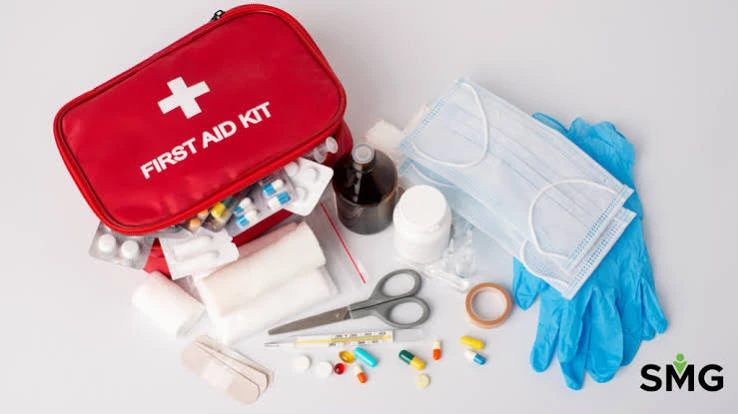
Does your office rely on a dusty first aid kit to handle medical emergencies? Discover why investing in proper emergency training protects your team and boosts company culture. Learn how blended learning makes certification easy for busy professionals, drastically reducing workplace risks without sacrificing productivity.
We all know the standard workplace safety drill. Someone from HR points out the fire exits on your first day, and you glance at the plastic green box hanging in the breakroom. But what happens if a coworker actually collapses during a Monday morning meeting? Panic spreads fast. Relying on a poster on the wall won’t help someone who isn’t breathing. That is exactly why booking proper corporate first aid training is one of the smartest investments a business can make. You need real people ready to take real action.
What Are the Real Risks in a Desk Job?
People assume climate-controlled offices are perfectly safe. You aren’t operating heavy machinery or scaling scaffolding, right? But sedentary work environments carry serious, hidden dangers.
Sudden cardiac arrest doesn’t care if you sit in a cubicle or work on a construction site. Choking hazards during lunch hours, severe allergic reactions, and slip-and-fall injuries happen constantly in corporate lobbies and cafeterias. When an airway is blocked or a heart stops beating, waiting ten minutes for an ambulance is not a viable strategy. Irreversible brain damage begins in roughly four to six minutes without oxygen.
How Does Employee Training Improve Company Culture?
Safety training does more than just meet basic compliance standards. It builds incredible trust across your entire team. When you empower your staff with life-saving skills, you show them you actually care about their physical well-being.
This shared responsibility changes the office dynamic entirely. Employees start looking out for one another on a daily basis. They notice tripping hazards before accidents happen, creating a proactive, supportive culture that money simply can’t buy. You are not just checking a regulatory box; you are building better teammates.
Can Busy Teams Actually Fit Certification into Their Schedule?
Pulling your entire staff offline for a two-day seminar is a logistical nightmare. Managers hate losing that much productivity, and employees hate falling behind on their emails.
Luckily, the training format has evolved to fix this exact issue. Today’s blended learning models split the coursework to respect your time. Employees complete the interactive theory online at their own pace. They can do it at home or during a slow afternoon at their desks. Then, everyone attends a single, short in-person session to practice chest compressions on the mannequins. It is fast, efficient, and highly effective.
If you are looking for first aid training near downtown Kitchener, the Kitchener Market, or other areas close to our facility off King Street East, then you may reach out to Coast2Coast First Aid/CPR – Kitchener in that area. For more info, course schedules, and articles like this, visit: https://www.c2cfirstaidaquatics.com/
Frequently Asked Questions
What is the best certification level for a standard corporate office? For most office environments, Standard First Aid & CPR/AED Level C is the ideal choice. It covers adult, child, and infant rescue techniques, along with comprehensive first aid skills for common injuries and sudden medical emergencies.
How long does a Red Cross certification remain valid? A standard Canadian Red Cross First Aid and CPR certificate is officially valid for three years from the date of issue. However, many HR departments recommend taking a quick annual refresher course to keep physical muscle memory sharp.
Are AEDs safe for employees with zero medical background to use? Yes, they are completely safe. Modern Automated External Defibrillators (AEDs) are designed specifically for untrained bystanders. The machine provides loud, step-by-step voice prompts and will not allow a shock to be delivered unless it detects a shockable heart rhythm.
Does completing an online-only course meet workplace compliance? No. While the theoretical portion can be completed online through a blended learning model, workplace safety boards (like WSIB in Ontario) require an in-person, hands-on skills assessment to issue a valid, compliant certificate.
Can an employee get sued for performing CPR incorrectly? No. The Good Samaritan Act protects individuals who step in to help during a medical emergency. As long as the employee acts voluntarily, without expectation of financial reward, and avoids gross negligence, they are legally protected.
