

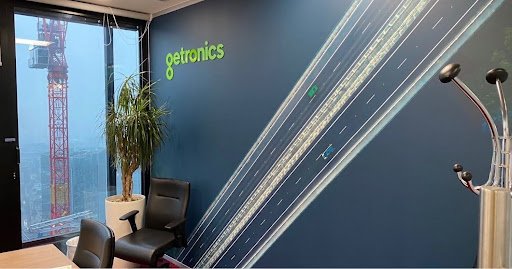
A messy or unfinished office can cost you a client before you’ve said a word. People walk in, glance at a blank wall, a cramped desk, or a sign that’s seen better days, and start wondering whether your business is as reliable as your website suggests. That doubt sets in fast, often before anyone has stood up to greet them.
The fix is rarely an expensive makeover. Clients respond to spaces that look planned, match your brand, and show that someone cares about the details. Get a handful of design choices right, and your office starts working in your favour from the moment the door opens.
How to Design an Office That Earns Client Trust
These are the choices that make the biggest difference to how visitors feel about your business:
1. Making the Entrance Feel Established
The entrance is where clients decide whether you’re a serious operation. A bare wall or a faded poster suggests a business that hasn’t settled in, while a finished, professional feature tells them you’re here to stay. A gold acrylic sign gives that sense of permanence instantly, with a mirrored finish that looks premium without the cost of metal lettering. It also catches the light, drawing the eye the moment someone walks in.
Keep the area around the entrance clear and uncluttered. Coats, delivery boxes, and stacks of paperwork near the door undo the effect of even the best sign. Clients should step into a space that looks ready for them.
2. Telling Visitors Exactly Where They Are
Confusion makes people uneasy. If a client has to wonder whether they’ve found the right floor or the right company, you’ve lost a little of their confidence before the meeting starts. It makes them feel like an outsider, which is the opposite of what you want. Clear, confident signage removes that doubt quickly.
A well-placed office wall sign behind the reception desk confirms the business name at a glance and gives the space a clear focal point. For larger buildings, add simple directional signs to meeting rooms, toilets, and the kitchen. Visitors who can find their way around easily feel looked after, and that feeling carries into the conversation.
3. Keeping Your Branding Consistent
Consistency signals reliability. When your website, business cards, and office all share the same colours and logo, clients see a business that pays attention to detail. When they don’t match, it can look as though nobody is minding the brand, and clients may wonder what else is being overlooked.
A company logo wall sign in reception ties the physical space to everything clients have already seen online. It confirms they’ve come to the right place. Carry your brand colours into smaller touches, such as cushions, meeting room artwork, or branded mugs. Don’t overdo it, though. A few deliberate details look confident, while logos on every surface start to feel forced.
4. Choosing Sign Details That Look Professional
Clients may not know much about signage, but they can tell when a sign looks cheap. Peeling vinyl, uneven spacing, or a crooked panel suggests corners were cut, while a well-made sign shows you invest in your business.
Sign Details Worth Getting Right:
- Materials that suit your brand, from brushed metal to timber
- Raised lettering that adds depth and casts a soft shadow
- Lighting that keeps the sign readable throughout the day
- Fixings matched to your wall type so it stays level
- Lettering sized to be read clearly from the door
A good sign maker can help guide you here. Getting them right keeps your signage looking sharp for years.
5. Getting the Lighting and Upkeep Right
Dim or flickering lights make a space feel neglected, and harsh overhead strips can make it feel cold. Aim for a mix of natural daylight and warm artificial lighting so the room feels bright but welcoming throughout the day. Good lighting also makes a room look cleaner and more spacious.
Upkeep matters just as much. Scuffed paintwork, dead plants, and stained carpets all chip away at the impression you’re trying to create. Clients notice, even if they never say so. Book regular cleaning, replace blown bulbs quickly, and walk through reception as if you were a first-time visitor once a month. You’ll spot things your team stopped noticing long ago.
6. Showing Proof of Your Work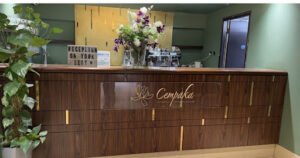
Clients trust what they can see. Framed industry awards, accreditation certificates, and photos of completed projects offer quiet evidence that you’re good at what you do. Client testimonials or a short case study printed on the wall can work well too. They give visitors something to look at while they wait, and they start the sales conversation before you’ve said a word.
Keep these displays current. A certificate that expired three years ago or a photo wall featuring staff who’ve since left sends the wrong message. It hints that nobody is keeping an eye on the details. A small, up-to-date selection works better than a crowded wall of old achievements.
Creating a Workspace That Wins Client Trust
Every part of your office tells clients something about your business. Signage, branding, lighting, upkeep, and the work you put on display all combine into a single impression, and that impression often shapes how the first meeting goes.
Start with the areas clients see first and work inward from there. A reception that looks deliberate and well cared for gives visitors a reason to believe your work will be handled with the same care, and that belief is where lasting client relationships begin.
