

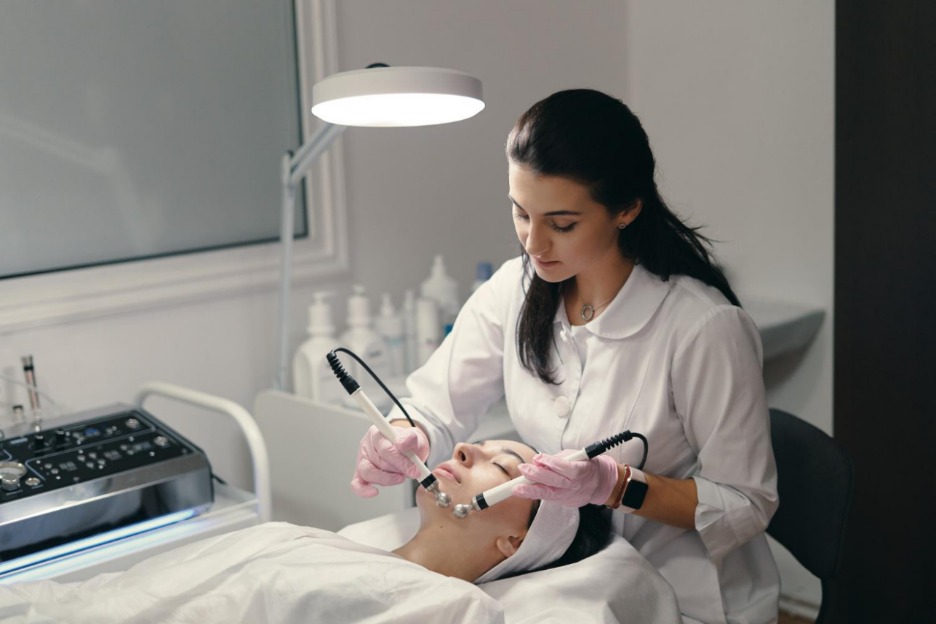
A skin consultation is more than a quick look at your complexion. It gives a dermatologist an opportunity to understand visible concerns, possible triggers, your skin characteristics, and what kind of care may be appropriate. If you are planning to visit a dermatologist Dubai, patients often choose professional skin guidance; knowing what happens during the appointment can make the experience easier. From examining pigmentation to discussing previous treatments, the consultation helps create a more informed path toward healthier-looking skin.
Why Is a Skin Consultation Important?
Skin concerns can appear similar while having different causes. A dark patch, for example, may relate to pigmentation, sun exposure, inflammation, or another condition. Likewise, a spot, mole, wart, or skin growth may require closer assessment before any removal procedure is considered.
A consultation helps the doctor understand the concern before deciding whether treatment, further testing, or skincare guidance is appropriate.
What Does the Dermatologist Ask You?
The appointment begins with a conversation about your concerns, when they started, and whether they have changed.
The dermatologist may also ask about previous skin conditions, treatments, medications, allergies, and skincare products. Details about procedures you have already undergone can provide useful context for deciding what should happen next.
What Happens During the Skin Examination?
A physical examination is an important part of the consultation. The dermatologist observes the skin carefully rather than focusing only on the area that initially concerns you.
They may examine texture, color, pigmentation, spots, scars, visible vessels, wrinkles, lesions, and other changes. Depending on the concern, the assessment may include different areas of the face or body to understand whether the issue is isolated or more widespread.
The examination helps distinguish concerns and identify areas needing attention.
Does Skin Type Matter?
Yes. Skin type and individual characteristics can influence how a person responds to different treatments. During an assessment, the dermatologist may consider factors such as skin tone, sensitivity, pigmentation patterns, age-related changes, and the condition being addressed.
This matters when discussing pigmentation, texture, scars, or signs of aging. A treatment suitable for one person may not suit another, so consultation should come before choosing a popular procedure.
Will Tests or Lab Results Be Reviewed?
Depending on the concern, additional information may be needed before treatment is recommended. The clinic’s skin page explains that its dermatology team considers skin tests and laboratory results when prescribing treatments. This supports a more informed assessment instead of relying entirely on visual examination.
Not every patient needs testing. The decision depends on the symptoms, suspected condition, treatment, and clinical judgment. If testing is recommended, ask what it is intended to clarify.
What Skin Concerns Can Be Assessed?
A consultation can cover concerns such as pigmentation, melasma, acne scars, stretch marks, moles, warts, skin tags, milia, molluscum, scars, uneven texture, age-related changes, and other visible skin conditions.
The assessment may also guide cosmetic procedures such as microneedling, chemical peels, laser-based options, or selected lesion treatments.
The consultation comes first because the doctor needs to understand the concern before recommending a procedure.
How Is Pigmentation Evaluated?
Pigmentation concerns often need a detailed assessment because several factors can contribute to uneven color. During an examination, the dermatologist may consider the extent and pattern of pigmentation, skin tone, tanning, age spots, and other visible changes.
The clinic’s skin information describes evaluation of pigmentation, exposure, skin tone, age spots, wrinkles, under-eye changes, and other characteristics before recommending an approach. Options may include topical products, chemical peels, or laser treatments.
The consultation shifts the discussion from wanting brighter skin toward understanding the uneven appearance.
How Are Moles, Warts, and Skin Growths Checked?
Moles, warts, and skin tags should not automatically be treated in the same way. Their appearance, location, size, and characteristics can influence the next step.
A dermatologist may assess the growth and determine whether observation, further evaluation, or removal should be considered. The clinic lists procedures such as radiofrequency surgery, electrosurgery, electrocautery, and excision for selected skin concerns.
Assessment matters because removal is not always appropriate without understanding the growth first.
What About Acne Scars and Skin Texture?
If acne has left uneven texture or visible scars, the dermatologist can assess the type and severity of the scarring. This helps determine whether procedures designed to support skin renewal may be useful.
The clinic describes options including laser therapy, microneedling, and chemical peels as part of acne scar management. Microneedling uses controlled micro-injuries to encourage the skin’s natural healing response and support collagen and elastin production.
The approach depends on skin characteristics, scar pattern, goals, and professional assessment.
Will You Discuss Your Treatment Options?
Once the examination and relevant information are considered, the dermatologist can explain possible approaches and what each may involve. This conversation is an opportunity to understand expected benefits, limitations, recovery requirements, aftercare, and to guide next treatment steps.
If you are comparing treatments at a skin clinic Dubai, patients may consider avoiding making a decision based only on photographs or promotional claims. Ask why a particular treatment has been suggested and whether alternatives are available.
Also ask about sessions, downtime, and aftercare.
Why Personalized Assessment Matters
Skin is not identical from person to person, and treatment decisions should reflect individual circumstances. The clinic emphasizes tailored skincare solutions and assessment before selecting treatments. Its range includes therapeutic procedures for selected lesions and cosmetic options aimed at concerns such as pigmentation, texture, hydration, scars, and signs of aging.
A personalized consultation can make the recommended approach more relevant to the actual concern.
Conclusion
A dermatologist consultation involves more than examining visible skin concerns. It can include discussing your medical and skincare history, assessing skin characteristics, reviewing relevant tests, and understanding your treatment goals. This detailed approach helps guide suitable care for different conditions. If you are considering a dermatologist Dubai, professional assessment can help you understand your skin better and make informed treatment decisions.
With expert guidance, personalized care, and advanced treatment options for diverse skin concerns, Cutis International combines professional dermatology expertise with personalized skincare solutions for varied skin concerns. Their services include dermatology procedures, pigmentation care, acne scar management, microneedling, chemical peels, laser treatments, mole, wart, and skin tag removal, and cosmetic procedures. With careful assessment and patient-focused care, their team helps patients explore suitable options for healthier, clearer, and more confident-looking skin based on their individual needs.
