

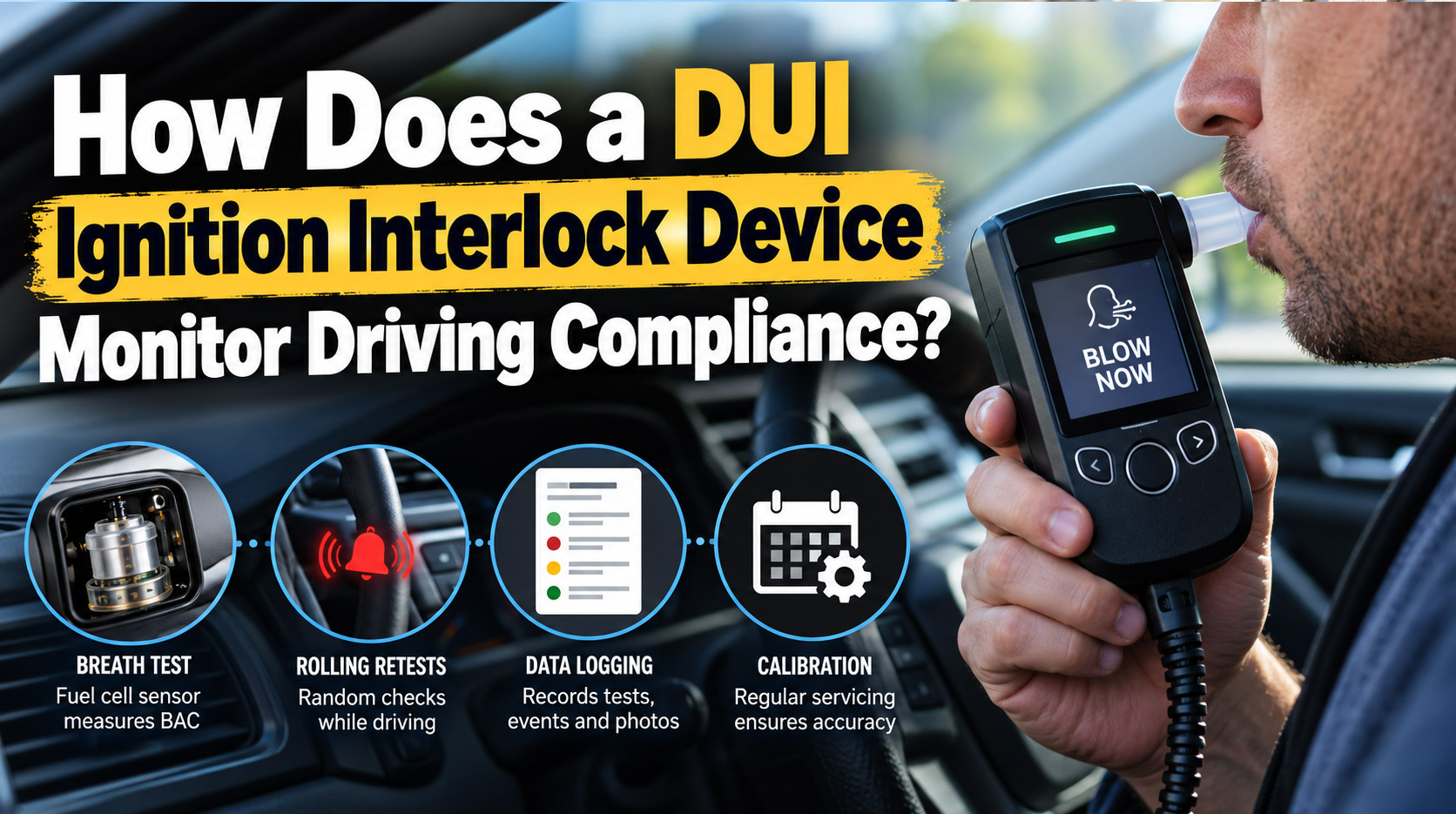
Whether a person is complying with the terms of an interlock order is typically determined by the record that is created by the interlock device over the course of months of daily use of the vehicle. That record is reviewed by the monitoring authority or even by a court and given considerable weight in determining a person’s degree of risk. Knowing what information is collected by a device, when that information is collected and how that information is given weight is far more valuable than a simple summary report.
What the breath test actually measures and how it resists circumvention
Interlock breath testers use fuel cell sensors which react with ethanol in the breath at an electrode to produce a current that is proportional to the breath alcohol concentration (BAC). These sensors are highly specific for ethanol as opposed to other volatile compounds which may be present in the breath. Acetone from diabetes or from ketosis, methane from the gut of certain individuals, and most solvents and industrial chemicals do not produce a reading on a properly functioning fuel cell unit.
Many devices require a sustained blow at a certain pressure to take a sample. In addition to the amount of air that is blown, most samples are also required to have a “hum”, “suck back” or other specific inhale and exhale pattern to be logged as sufficient. Compressed air in a can, balloons or even air pumps are generally unable to replicate the human pattern of blowing into the ignition interlock’s handheld unit sufficient enough to have the sample logged as “aborted” or “insufficient”. It is worth comparing Roanoke DUI ignition interlock device before you commit to anything.
Why abort and insufficient sample events still matter
Aborted samples are most often looked at in clusters and within certain time frames. For example, a series of aborted samples taken just prior to locking out or within a certain time frame on different days may indicate circumvention.
Rolling retests and what they are designed to catch
Note that the initial start test only establishes that the first party to start the vehicle is sober and does not address the issue of the restricted driver(s) operating the vehicle after the sober party has started it. The rolling retests (also referred to as running retests) close this huge gap in interlock testing and actually enforce strict 15 minute re-testing while the driver is operating the vehicle.
Randomized retest intervals mean the interlock cannot be outsmarted by preplanning a workaround. A retest is usually announced by horn and lights. Failure to complete a required retest event triggers an event record. While the event record for a missed retest does not result in immediate engine lockout, the interlock typically will enter Service Lockout Status requiring a Service representative to clear the interlock for future start attempts. The vehicle can be driven to Service.
Distinguishing a refusal from a practical failure
While heavy traffic, a loud cab or an inattentive driver who fails to hear the prompt of a required retest may result in the driver missing the required test, such circumstances can be explained or argued against in the log when necessary. Such circumstances only need to be discussed with the monitoring authority against the log created of all events pertaining to the client. Clients are advised to pull over and complete the test required rather than let the time frame for completing such a test expire.
Data logging, camera verification, and tamper detection
Each and every interaction with the interlock device creates a unique datalog entry that typically includes, time, BAC reading (if required for the particular interaction), Engine Run Information (yes/no) and all of the voltage readings from all of the vehicle power wires. Simply attempting to interfere with the operation of the interlock device by disconnecting power to the device or hot-wiring the vehicle starter can be detected by the interference in the voltage readings from the vehicle electrical system.
Most devices either wirelessly transmit the log information on a regular basis or download information to a computer at service appointments. The log includes information about the time and date of sampling, as well as photos of the person being tested taken at the time of testing. The photos can resolve issues regarding the identity of the person tested, on specific dates.
- Failed start tests above the program’s set point, commonly between 0.020 and 0.025 BAC
- Missed, refused, or failed rolling retests
- Power disconnections and unauthorized engine starts
- Attempted removal of the handset or tampering with the wiring harness
- Missed service and calibration appointments
Calibration, servicing, and the lockout schedule
For fuel cells, periodic calibration is required to monitor drift against a known alcohol standard. Records and servicing of the device are required to establish a credible record that can be used as evidence of compliance or violation in the majority of jurisdictions. Typical servicing of an interlock device is required every 30-60 days.
| Event type | Typical immediate effect | Common reporting consequence |
| Failed start test | Temporary lockout, escalating with repeats | Reported violation, possible program extension |
| Missed rolling retest | Alarm, then service lockout | Treated as refusal in many programs |
| Tamper or power loss | Service lockout within set grace period | Often a mandatory review or hearing |
| Missed calibration | Permanent lockout, tow required | Non-compliance finding, clock may reset |
Why installation quality shapes the record
Poor wiring to the interlock can result in the interlock incorrectly recording false power interruptions while a handset that has been mounted poorly can result in a driver not being able to take samples when required. A device can only take good samples if it has been installed correctly. Request installation of an interlock by a certified provider to ensure it is set up correctly.
Reading the report before the authority does
It is useful to get early request of logs from the interlock provider and to cross check them against a client’s account of specific events on specific dates. Aborting a growing number of retest samples or low positive readings on specific hours over days may indicate a problem that can be addressed before it is reported as a violation.
You May Also Read: Beyond the Blue Water: What to Consider Before Building a Backyard Pool
