

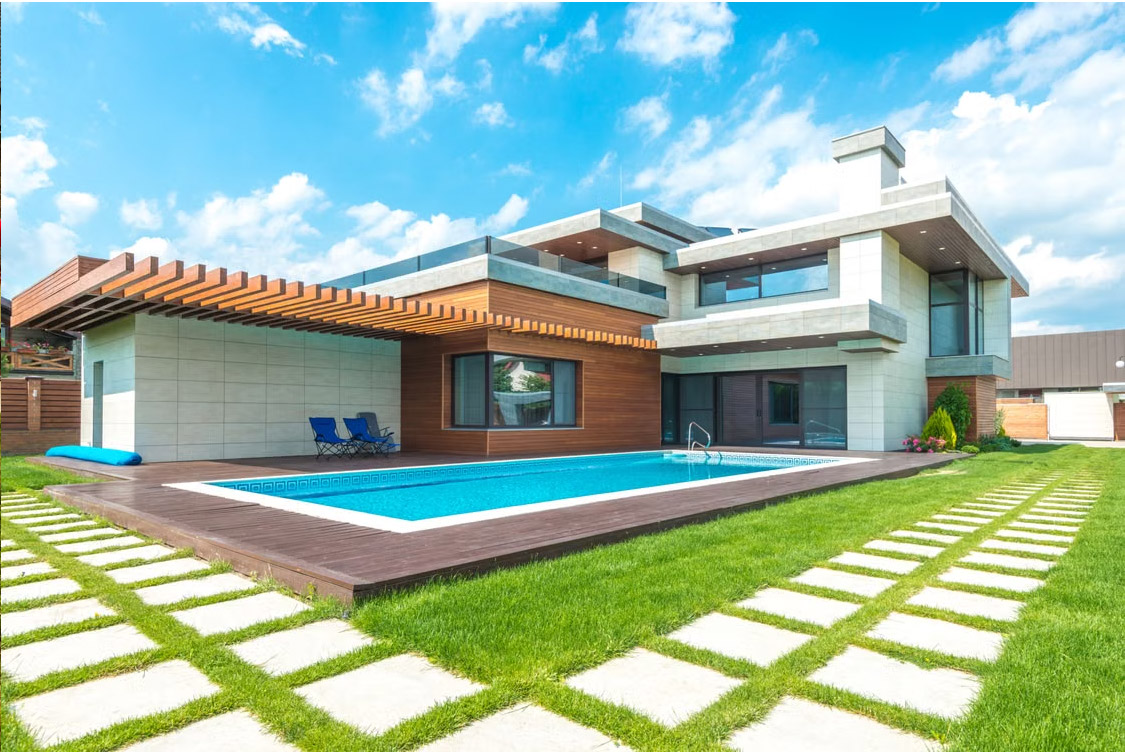
A backyard pool can completely change how a home is used. Outdoor space becomes somewhere to cool off, exercise, entertain, or simply spend more time without leaving home. But building one involves much more than choosing a shape and waiting for the water to go in. The size of the yard, access for construction equipment, drainage, safety, equipment, ongoing maintenance, and the way the surrounding space will function all matter. Thinking through those details early can prevent a beautiful pool from becoming a surprisingly awkward or expensive addition later.
Start With the Yard You Actually Have
Pool design should begin with the property, not with an inspiration photo.
The dimensions of the yard determine what can fit comfortably, while slope, soil, drainage, trees, utilities, and existing structures can affect where construction is possible. Even a large yard may have less usable space than it appears to once setbacks and access requirements are considered.
Think about what needs to remain after the pool is installed.
You may still want lawn space, a dining area, room for children or pets, outdoor cooking, or an open walkway between the house and other parts of the yard. A pool that occupies every available meter can look impressive on a plan but make the rest of the outdoor space harder to use.
Sun exposure matters as well. Observe where shade falls at different times of day and consider how nearby trees could affect debris in the water.
The pool should fit the yard rather than force the entire yard to work around it.
Understand What the Construction Process Includes
A pool project is not simply excavation followed by filling a shell with water.
For homeowners considering new pool construction, the planning process can include site evaluation, custom pool design, equipment selection, finishes, decking, lighting, plumbing, structural work, and final inspections. Looking at the project as a complete outdoor build rather than just the pool itself makes it easier to compare proposals and understand where the budget is going.
Ask exactly what is included in any estimate.
Some proposals may cover decking to a certain size while additional areas cost extra. Lighting, upgraded finishes, automation, water features, spas, or landscaping may also sit outside the starting price.
Clarify those details before construction begins.
A detailed scope makes it much easier to distinguish between a genuine upgrade and something you assumed was already included.
Design Around How the Pool Will Be Used
The best pool shape is not necessarily the most dramatic one.
A household interested mainly in swimming may value usable length and clear water space. Someone focused on entertaining could care more about shallow seating, surrounding decking, lighting, or easy movement between the pool and outdoor dining areas.
Families may prefer wide steps or a shallow ledge. Others may want a spa incorporated into the design.
Think about frequency too.
Features that will be used every weekend deserve more attention than something included mainly because it looks impressive in photographs.
Depth is another practical choice. A deep section takes up space that could otherwise be used for standing, games, or lounging. Whether it is worthwhile depends entirely on how the pool will realistically be used.
Picture an ordinary afternoon rather than a special occasion. That usually produces better design decisions.
Build Safety Into the Design From the Beginning
Safety should influence the layout before construction begins rather than being added as an afterthought.
Barriers, gates, pool covers, alarms, lighting, deck surfaces, steps, and visibility around the water can all affect how secure the finished space feels.
Where children may be present, limiting unsupervised access becomes particularly important. Pool safety measures can include secure barriers, self-latching gates, alarms, sturdy covers, and slip-resistant surfaces.
The legal requirements for pools can vary, so the project also needs to meet whatever building and safety rules apply to the property.
Do not treat minimum compliance as the only goal.
A handrail may make entry easier. Better lighting may improve visibility at night. A clear line of sight from the main outdoor seating area can make supervision easier.
Safety features are most effective when they feel like part of the design rather than obstacles added around it.
Think Carefully About Decking and Surrounding Space
The pool may attract attention first, but people often spend more time around the water than in it.
Decking determines how comfortably people can walk, sit, supervise swimmers, arrange furniture, and move between the pool and the house.
Leave enough space for the way you expect the area to function.
A narrow strip around the water may technically provide access but leave nowhere practical for chairs, shade, or gatherings. On the other hand, excessive hardscaping can increase cost and make the yard feel dominated by paving.
Surface choice matters as well.
Materials around a pool are exposed to water, sun, foot traffic, and regular cleaning. Consider heat, grip, durability, maintenance requirements, and how the material will age.
Appearance matters, but comfort under bare feet matters every time somebody uses the pool.
Learn What the Equipment Is Actually Doing
Pool equipment tends to receive less attention during design discussions because pumps and filters are not visually exciting.
They are essential once the pool is operating.
The filtration system circulates water and removes debris. Skimmers collect floating leaves and other material before it spreads through the pool. A pool skimmer forms part of the filtration system and helps remove surface debris from the water.
Equipment sizing should match the pool rather than simply being chosen by habit.
Ask how the filtration system works, what maintenance it requires, and where the equipment will be positioned. It should be accessible for servicing without sitting somewhere that creates unnecessary noise or disrupts the outdoor layout.
Automation can also reduce routine work by controlling functions such as filtration schedules, lighting, heating, or selected water features.
The more you understand before handover, the easier ownership becomes afterward.
Be Realistic About Ongoing Maintenance
A pool requires regular attention even when modern equipment handles part of the work.
Water chemistry needs monitoring. Filters require cleaning. Leaves and debris need removal. Pumps, heaters, cleaners, and other components eventually require servicing.
The surrounding environment influences the workload.
Trees can increase debris. Heavy use affects water chemistry. Weather can influence evaporation and cleaning requirements.
Before choosing finishes or features, ask how they affect maintenance.
A complicated design with several water features may require more care than a simple geometric pool. Certain finishes can also have different cleaning and maintenance needs.
This does not mean choosing the plainest possible design.
It means knowing what you are committing to before the first swim.
The easiest pool to enjoy is usually one whose upkeep fits comfortably into the household’s routine and budget.
Leave Room in the Budget for the Unexciting Parts
The visible parts of a pool are easy to spend money on.
Lighting, tile, waterfalls, spas, and upgraded finishes are enjoyable decisions. Less exciting expenses can be just as important.
Electrical work, drainage improvements, fencing, site preparation, access repairs, additional decking, landscaping, and permit-related costs can push the project beyond the initial number.
Keep some financial flexibility instead of spending the entire budget on the original design.
Changes also become more expensive once construction has started.
Moving steps, adding equipment, expanding decking, or changing finishes midway through the project can affect both cost and scheduling.
Make as many decisions as possible before work begins. It reduces surprises and gives the project a clearer path from excavation to completion.
Choose Features for Longevity, Not Novelty
Pool trends change.
Good circulation, comfortable entry, sensible depth, durable finishes, usable decking, and appropriate lighting remain useful regardless of what happens to design trends.
That should guide upgrades.
If a feature improves how often you will use the pool or makes maintenance easier, it may justify the expense. If it exists mainly for visual impact, consider whether it will still matter several years later.
The same applies to landscaping.
Plants can soften hard surfaces and make the pool feel integrated into the yard, but aggressive roots, excessive leaf drop, or high-maintenance planting can create problems near the water.
Good pool design looks beyond handover day.
The goal is not simply a backyard that photographs well when construction ends. It should remain comfortable and manageable after the novelty wears off.
Make the Whole Backyard Work Together
The strongest pool projects feel connected to the home rather than dropped into the middle of the yard.
Think about movement between indoor and outdoor spaces, where wet swimmers will walk, where towels or equipment will be stored, and where people will sit when they are not swimming.
Shade deserves attention too.
A pool can become uncomfortable during the hottest part of the day if there is nowhere nearby to escape direct sun. Permanent structures, umbrellas, trees, or other shade solutions can make the outdoor area usable for longer periods.
Lighting can extend that usability into the evening.
Storage helps keep equipment from taking over the surrounding space.
These decisions may seem secondary while choosing the pool itself, but they determine how complete the final backyard feels.
A successful pool project is not just about getting water into the ground. It is about creating an outdoor space that fits the property, works safely, stays manageable, and continues to suit the people using it years after construction is finished.
You May Also Read: Beyond the Waterline: Smarter Choices for a Better Pool Experience
