

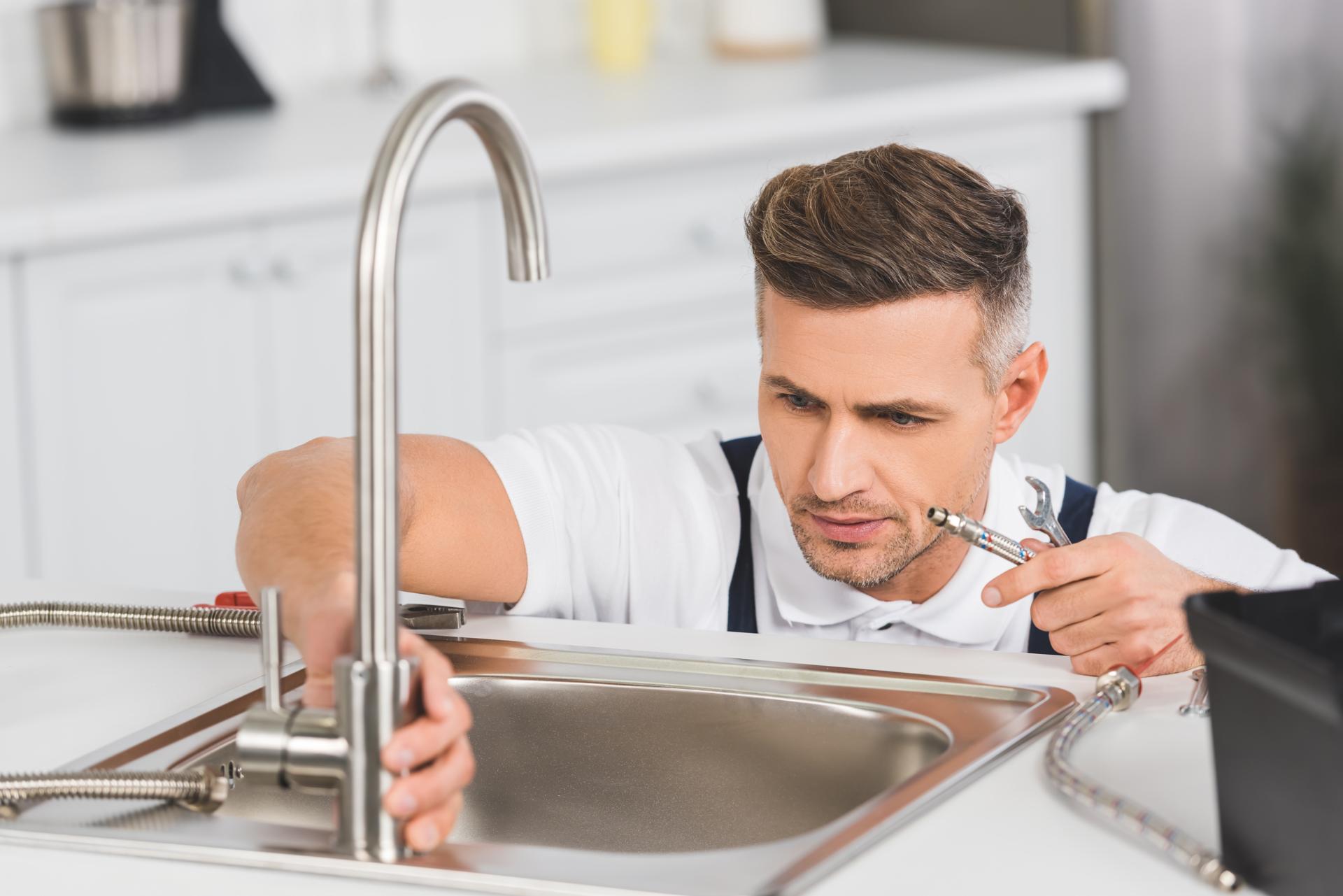
The first hour of a plumbing emergency sets the tone for everything that follows. Whether a burst supply line is soaking a kitchen cabinet, the basement floor drain is bubbling with wastewater, or a water heater is dripping onto a concrete slab, fast, specific actions can limit structural damage and make the service visit more efficient. This playbook focuses on decisions homeowners can make right away: when to treat a situation as a true emergency, which shutoffs to use, how to stabilize different scenarios, what to tell the dispatcher, and how to contain damage without creating new hazards. It is geared to Gretna’s mix of slab-on-grade and basement homes, winter freeze risks, and common residential plumbing layouts.
-
What Counts as a True Plumbing Emergency?
A situation becomes an emergency when delays cause escalating damage or health risks. Examples include an actively leaking or burst pressurized line (think a ruptured braided supply under a sink), a main sewer backup that affects multiple fixtures or a floor drain, a leaking water heater that will not stop when the cold supply is closed, a gas smell near a boiler or water heater, or complete loss of water during a hard freeze that may indicate a frozen main. By contrast, a slow sink drain, a single clogged toilet with a working plunger, or a dripping faucet usually can wait for standard scheduling. If you decide the issue cannot wait, call an emergency plumber in Gretna, NE, and be ready to describe what you have already shut off and what you are seeing at the fixtures.
Look for patterns that distinguish fixture problems from system problems. A single toilet thatwon’tt flush but other drains work points to a local blockage; toilets gurgling when the washing machine drains suggests a mainline clog. Water staining on a ceiling under a bathroom that stops after closing the toilet’s angle stop hints at a toilet supply leak, while continued dripping after that shutoff often means a failed wax ring or a drain issue. These clues help you choose the right shutoff and explain the situation clearly when you call.
-
The First 10 Minutes: Shutoffs, Safety, and Stabilization
Start with water control. For a toilet, turn the angle stop at the wall clockwise. For a sink, close the hot and cold stops under the basin. If a fixture valve is frozen or fails to seal, close the main shutoff valve near the water meter, in a basement where the service enters, or in a utility closet on slab homes. Ball valves turn a quarter turn; gate valves spin multiple turns. After closing the main, open a cold faucet at the lowest level to relieve pressure and reduce residual spray at the leak. If you shut the main, also switch the water heater to off at its gas control or flip its breaker to prevent it from firing without adequate water.
Address electrical hazards before stepping into standing water. If water is near outlets, a sump pump, or a power strip, cut power to the affected circuit at the panel before wading in. Place buckets under active drips, lay towels to divert water away from cabinets, and use a plastic bin to catch steady flows under a sink. For a pinhole spray on copper or PEX, a temporary wrap of self-fusing silicone tape with a rubber patch under a hose clamp can slow leakage until service; avoid overtightening on brittle PVC fittings. Do not use open flames to thaw suspected frozen lines, and do not open ceilings swollen with water without first placing a bucket and carefully making a small controlled weep hole to prevent a sudden collapse.
-
Scenario Playbook: Burst Pipe, Sewer Backup, and Water Heater Leaks
Burst or leaking supply line: Close the nearest angle stop. If the stop fails, close the main. Move items from saturated cabinets, punch a few small holes at the lowest point of a bulging cabinet kickboard to drain into a pan, and run a box fan. If the leak is on straight copper or PEX, a push-to-connect cap sized to the pipe can make a cleaner temporary seal than tape. For a cracked PVC adapter on a toilet or vanity, support the pipe to avoid worsening the crack; temporary wraps rarely hold under pressure on threads. Note the pipe type (copper, CPVC, PEX) and the fitting that failed when you call; that speeds material prep for the truck.
Main sewer backup: Stop all water use in the home immediately, including dishwashers, washing machines, and showers. Check for an exterior cleanout near the foundation; if wastewater is already seeping there, that’s safer than it coming up through a floor drain. Do not remove a cleanout cap if you hear active gurgling or see standing sewage under pressure, as it can release forcefully. Keep children and pets away from contaminated areas, ventilate if possible, and cover floor registers to prevent aerosol spread if the area is wet. Avoid chemical drain cleaners; they can heat up in trapped PVC and create a hazard for the technician who must cable the line. If you have a backwater valve, make sure its lid is accessible; that information helps the crew plan the clearing approach.
Water heater leak: Close the cold inlet valve on top of the tank. If water continues to flow from the temperature and pressure relief (TPR) discharge pipe, it may indicate overheating or overpressure; leave the area, turn the gas control to off or kill the power, and wait outside if you smell gas. If the tank itself is weeping at a seam, do not attempt to patch it. Connect a hose to the drain spigot and route to a floor drain only if you can do so without creating shock hazards.
-
What to Tell the Dispatcher and How to Speed Up the Visit
Clear, specific details help a dispatcher triage and a technician plan. Share where you shut off water and power, whether the main or a fixture valve is holding, and what materials are involved (for example, a 3/8-inch braided supply line to a faucet, 1/2-inch copper with a pinhole, a P-trap under a tub, or an ABS mainline cleanout by the driveway). Describe symptoms across fixtures: “Toilets and tub both back up when the laundry drains” points to the main; “Kitchen sink only” suggests a branch. If safe, text a photo of the leak point, the cleanout, or the water heater data plate so the plumber can bring relevant fittings, no hub couplings, and cabling equipment. Mention pets, gate codes, parking limits, a wet ceiling under a bedroom, or a locked crawlspace hatch so access is not delayed on arrival.
Temporary Containment Without Making It Worse
The goal is to limit damage while avoiding actions that complicate repairs. Trade-off example: closing the main protects the house but leaves you without water; if a single angle stop holds, isolate only that fixture so other plumbing remains usable. Skip chemical drain openers; they seldom clear roots or collapses and can burn skin and deform traps. Instead, keep water out of the system until you can cable or do a camera inspection. For clean water leaks, a rubber patch and clamp can buy time, but cranking a pipe wrench on an old galvanized nipple may snap it flush with the wall, turning a small leak into a big repair. After water intrusion, start drying immediately: pull wet rugs, run fans and a dehumidifier, and, if baseboards are saturated, gently remove a section to let wall cavities breathe. Document damage for insurance, then plan follow-up: have angle stops and braided supplies replaced if they seized, schedule a pressure check if a burst may have been caused by high static pressure, and consider water sensors, an automatic shutoff valve, or a sewer camera inspection if roots or an offset joint are suspected. A few careful steps now can prevent mold growth, protect finishes, and make the eventual fix faster and cleaner.
Plumbing emergencies test anyone’s composure, but a short list of decisive actions makes them manageable: isolate water and power, stabilize the area, match your response to the scenario, and communicate details that matter. In Gretna homes, that often means knowing where the main shutoff, cleanout, and breaker panel are before trouble starts, and keeping simple supplies on hand. The right first hour will not solve the problem, but it will contain it, protect your home, and help the technician get straight to the repair when they arrive.
