

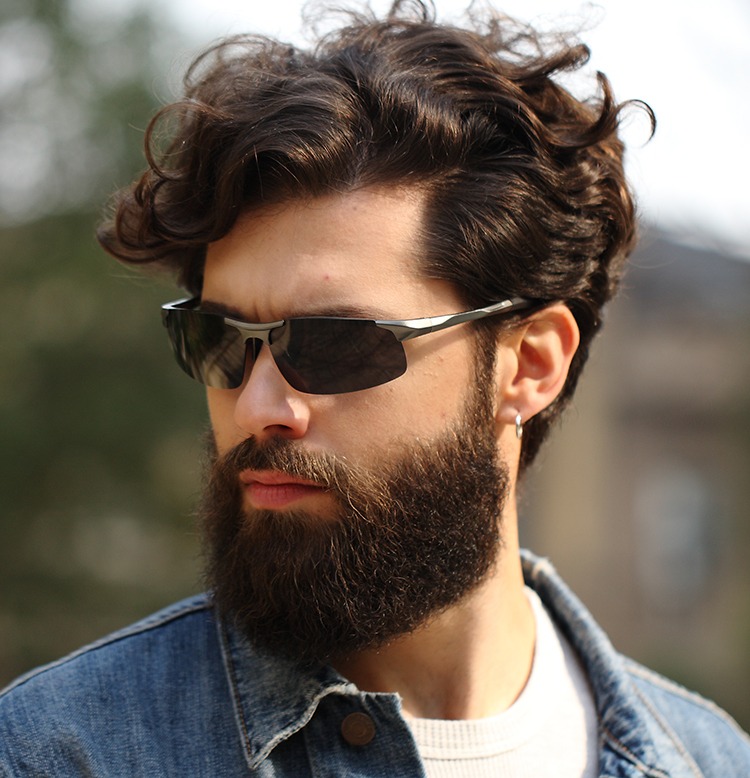
For people who need vision correction while working outdoors, ordinary sunglasses may not provide enough protection. Prescription safety sunglasses combine corrective lenses with protective eyewear features, making them useful where bright sunlight, airborne particles, impact hazards, and prolonged outdoor exposure are concerns.
The question is whether the added investment is justified. The answer depends on the work environment, prescription, exposure to sunlight, and level of protection required. For many outdoor workers, having clear vision and appropriate eye protection in one pair can be considerably more practical than trying to combine separate eyewear.
What Makes Prescription Safety Sunglasses Different?
Regular prescription sunglasses are primarily designed to correct vision and reduce brightness. Safety eyewear has an additional responsibility: the frame and lenses need to be appropriate for the hazards associated with the intended work environment.
That distinction matters when activities involve tools, debris, dust, construction materials, landscaping equipment, or other potential eye hazards. A safety-rated design can provide protection that ordinary prescription sunglasses are not intended to offer.
The advantage is also practical. Instead of wearing prescription glasses underneath protective sunglasses, a properly fitted pair can provide vision correction, sun protection, and workplace eye protection within one system.
The Three Problems They Can Address
| Requirement | Why it matters outdoors |
| Vision correction | Keeps details and hazards clearly visible |
| Sun protection | Reduces discomfort from intense outdoor light |
| Impact protection | Helps protect against specified workplace hazards |
| Secure fit | Reduces movement during active work |
| Coverage | Helps limit exposure around the eyes |
The exact level of protection depends on the eyewear’s certification and design. Buyers should always verify that the product meets the safety requirements appropriate for their particular workplace.
When Are Prescription Safety Sunglasses Worth the Investment?
The value becomes clearer when eyewear is used for several hours in bright outdoor conditions. Constantly switching between regular prescription glasses and protective eyewear can be inconvenient, particularly when moving between different areas of a job site.
There is also a visual-performance consideration. Workers need to identify uneven surfaces, equipment, moving objects, markings, and other hazards quickly. Sunglasses that correct the user’s prescription can help maintain clearer vision while reducing the effects of glare.
For outdoor professionals, the benefit is therefore not simply comfort. Appropriate eyewear can support visibility while providing protection suited to the environment.
Situations Where They Can Be Especially Useful
- Construction and maintenance work
- Landscaping and groundskeeping
- Road and utility work
- Outdoor industrial tasks
- Driving between outdoor work locations
- Recreational activities involving impact risks
- Jobs involving prolonged exposure to bright sunlight
The important factor is matching the eyewear to the actual hazard rather than assuming that every pair of safety sunglasses offers the same protection.
Why Glare Deserves More Attention
Bright sunlight can create glare from roads, vehicles, water, glass, metal, and other reflective surfaces. This can make outdoor vision less comfortable and may reduce the ability to distinguish details in certain conditions.
Polarized lenses can help reduce certain types of reflected glare. This is one reason polarized safety sunglasses can be useful for people who spend significant time around highly reflective outdoor surfaces.
However, polarization is not a substitute for safety certification. A lens can reduce glare without necessarily providing the impact protection required for a particular workplace.
Polarization vs. Safety Protection
These two features solve different problems.
Polarization primarily addresses reflected light and visual comfort. It can be particularly useful around roads, water, vehicles, and other reflective surfaces.
Safety protection relates to the construction and performance of the eyewear against specified hazards. Certification should therefore be considered separately from lens tint or polarization.
A sensible buying decision considers both where the glasses will be used and what hazards are present. Choosing a darker lens alone does not make ordinary eyewear suitable for a hazardous work environment.
The Importance of Fit and Frame Stability
Even technically capable eyewear can become less useful if it does not stay comfortably positioned. Movement can affect the position of the corrective optics and may create gaps that reduce coverage.
A stable fit is particularly important for active outdoor work. Bending, walking, climbing, operating equipment, and repeatedly looking in different directions can all cause poorly fitted eyewear to shift.
Frame design should therefore be considered alongside lens specifications. Comfort, coverage, stability, and compatibility with the user’s prescription all contribute to whether the glasses will actually be worn consistently.
Prescription Accuracy Matters
The protective properties of the eyewear do not eliminate the need for accurate prescription information. Incorrect vision correction can undermine the main reason for choosing prescription eyewear in the first place.
High prescriptions can require additional consideration because lens thickness, weight, optical performance, and frame dimensions can affect the final result. The prescription should be supplied accurately, and the eyewear should be selected with the wearer’s specific visual requirements in mind.
This is particularly relevant for people who depend on their glasses throughout the working day. Clear vision should remain a central consideration rather than an afterthought to protective features.
What Should You Look For?
Instead of judging eyewear by appearance alone, consider the following factors:
Protection
Confirm that the glasses have the relevant safety certification for the hazards involved. Not every pair of tinted prescription glasses is safety eyewear.
Optical performance
The prescription should be accurate, and the lens should provide suitable clarity for the user’s working environment.
Sun protection
Consider lens tint and UV protection according to the conditions in which the glasses will be used.
Fit
The frame should remain stable without creating excessive pressure around the nose, temples, or ears.
Daily practicality
Think about how long the glasses will be worn and whether their weight, coverage, and design are comfortable enough for sustained use.
Why One Pair Can Be More Practical
Using separate prescription glasses and protective sunglasses creates another problem: the user has to manage two pieces of eyewear. That can become inconvenient when conditions change repeatedly throughout the day.
A dedicated pair of prescription safety sunglasses removes that extra step. The corrective prescription remains available while the eyewear is designed around outdoor protection and visibility.
For people who work outside regularly, this convenience can have real value. Eyewear that is easy to wear and appropriate for the task is more likely to remain in use consistently.
Where Prescription Safety Sunglasses Make Sense
The strongest case for prescription safety sunglasses is where vision correction and outdoor protection are both daily requirements. In these situations, combining the two functions can make more sense than relying on separate eyewear.
CA Glasses offers prescription safety eyewear designed for users who need corrective vision alongside protective features. The selection approach places emphasis on practical requirements such as prescription compatibility, protective design, fit, and outdoor visibility.
The right choice still depends on the hazards involved. Users should verify the applicable safety standard and select lens and frame characteristics appropriate to their working conditions.
Final Thoughts
Prescription safety sunglasses can be worth the investment when outdoor work requires both reliable vision correction and appropriate eye protection. Their value comes from combining functions that would otherwise require multiple pairs of eyewear, while also addressing issues such as brightness, glare, fit, and visibility.
The key is to look beyond the appearance of the glasses. Safety certification, prescription accuracy, lens performance, frame stability, and suitability for the working environment should all influence the decision. When those factors align, prescription safety eyewear can be a practical long-term solution for demanding outdoor conditions.
