

Introduction
A comfortable indoor environment is essential for maintaining a healthy, productive, and enjoyable lifestyle. Whether you own a residential property or manage a commercial building, having a properly functioning heating, ventilation, and air conditioning system makes a significant difference in everyday comfort. These systems regulate indoor temperatures, improve air circulation, control humidity, and maintain better indoor air quality throughout the year. However, keeping heating and cooling equipment operating efficiently requires professional knowledge, regular maintenance, and appropriate equipment. An experienced HVAC Contractor can help property owners maintain comfortable indoor conditions while reducing the chances of unexpected equipment failures. Professional services also make it easier to identify developing problems, improve system performance, and extend the lifespan of important heating and cooling components. Modern heating and cooling systems offer advanced features such as smart thermostats, energy-efficient compressors, improved air filtration, and automated temperature controls. Although these technologies provide numerous advantages, they require proper installation and professional attention to deliver reliable results. Choosing a qualified service provider allows property owners to understand their equipment, select appropriate solutions, and protect their investment. From installing new air conditioning units to repairing heating equipment and performing seasonal inspections, professional technicians offer services for different indoor comfort requirements. Understanding these services can help homeowners and business owners make informed decisions and maintain dependable climate control throughout the year.
Understanding the Role of HVAC Professionals
Heating, ventilation, and air conditioning systems work together to create a comfortable indoor atmosphere. Heating equipment maintains suitable temperatures during colder periods, while air conditioning systems remove heat and humidity to provide cooling during warmer conditions. Ventilation supports the circulation of fresh air and helps remove indoor pollutants, odors, and excess moisture. Every component must operate correctly to maintain the overall performance of the system. A professional HVAC Contractor understands how these components interact and can identify problems that may affect comfort, efficiency, and equipment reliability. Professional technicians work with different types of heating and cooling equipment, including central air conditioning systems, heat pumps, furnaces, ductless mini-split units, and ventilation equipment. Their responsibilities may include inspecting existing installations, identifying mechanical problems, replacing damaged components, and recommending suitable equipment for specific properties. They also consider building size, insulation quality, airflow requirements, and energy consumption before suggesting improvements. This detailed approach helps ensure that the selected equipment meets the property’s requirements rather than simply providing a temporary solution.
Professional HVAC Installation for Better Performance
Installing a heating and cooling system involves much more than purchasing equipment and connecting it to a power source. Proper installation requires careful planning, accurate measurements, suitable equipment selection, and professional handling of electrical and mechanical components. An incorrectly installed system may experience poor airflow, inconsistent temperatures, frequent breakdowns, and increased energy consumption. Hiring a qualified HVAC Contractor helps property owners avoid common installation mistakes and achieve reliable system performance from the beginning. Before recommending new equipment, professionals generally assess the property’s layout, insulation, window placement, ceiling height, and heating or cooling requirements. These details help determine the appropriate system capacity and configuration. An oversized unit may turn on and off too frequently, while an undersized system may struggle to maintain comfortable indoor temperatures. Both situations can affect energy efficiency and equipment lifespan. Proper sizing and installation allow the system to operate consistently and provide suitable temperature control throughout the property. Professional installation also includes checking electrical connections, refrigerant lines, drainage arrangements, thermostats, and ventilation pathways. Technicians verify that the equipment operates according to manufacturer specifications and that essential safety requirements are satisfied. They may also explain basic operating procedures and maintenance recommendations to help property owners understand their new systems. Investing in professional installation can reduce future repair expenses, improve energy performance, and increase the long-term value of heating and cooling equipment.
Importance of Regular HVAC Maintenance
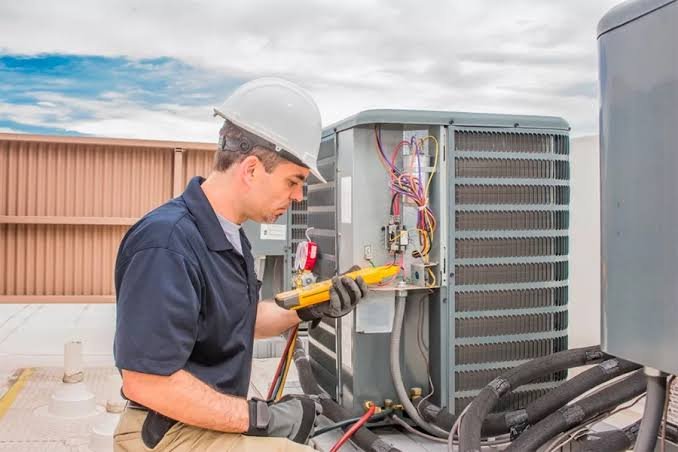
Regular maintenance is one of the most effective ways to keep heating and cooling equipment operating efficiently. Like other mechanical systems, HVAC equipment experiences normal wear and tear during everyday operation. Dust accumulation, clogged filters, dirty coils, blocked drainage lines, and loose electrical connections can gradually reduce performance. Without regular inspections, these minor issues may develop into more expensive mechanical problems. Scheduling maintenance with a reliable HVAC Contractor helps identify developing concerns before they lead to unexpected equipment failures. Routine maintenance generally includes inspecting filters, cleaning important components, checking electrical connections, examining refrigerant levels, and evaluating overall system performance. Technicians may also inspect thermostats, blower motors, drainage systems, and ventilation pathways. These checks help determine whether equipment is operating correctly and whether any components require attention. Replacing dirty filters and keeping essential components clean can improve airflow, support better indoor air quality, and reduce unnecessary strain on the equipment. Seasonal maintenance is particularly valuable because heating and cooling systems experience different demands throughout the year. Preparing an air conditioning system before warmer weather can help prevent cooling problems during periods of heavy use. Similarly, inspecting heating equipment before colder weather can identify ignition, airflow, or mechanical concerns. A consistent maintenance schedule provides greater confidence that the system is ready whenever indoor temperature control becomes especially important.
Common HVAC Problems and Their Solutions
Heating and cooling systems can develop various problems over time, even when they have been properly installed. Some issues are relatively minor, while others may indicate serious mechanical or electrical failures. Recognizing common warning signs allows property owners to arrange professional assistance before a problem becomes more expensive. A skilled HVAC Contractor can inspect the equipment, identify the underlying cause, and recommend an appropriate repair instead of relying on temporary solutions. One common issue is insufficient heating or cooling. A system that runs continuously without maintaining the desired temperature may have a dirty air filter, restricted airflow, thermostat problems, refrigerant concerns, or an incorrectly sized unit. Uneven temperatures between different rooms may also indicate ductwork leaks or airflow distribution problems. Professional diagnosis helps determine whether cleaning, adjustment, component replacement, or a more extensive repair is necessary. Unusual noises are another indication that equipment may require attention. Rattling, grinding, buzzing, or banging sounds can indicate loose components, damaged motors, worn bearings, or electrical problems. Strange odors may also suggest dirty filters, moisture accumulation, or other maintenance concerns. Ignoring these warning signs can increase the risk of equipment damage. Professional inspection provides an opportunity to address problems safely and restore normal operation. Frequent system cycling and unexpected increases in energy bills may also indicate reduced efficiency. These symptoms can result from thermostat settings, restricted airflow, insulation problems, or malfunctioning equipment. Instead of immediately replacing the entire system, technicians can evaluate its condition and determine whether a repair or efficiency improvement would be more appropriate. Understanding the actual cause of a problem helps property owners avoid unnecessary expenses.
Improving Energy Efficiency and Reducing Utility Costs
Energy efficiency is an important consideration for anyone operating a heating and cooling system. HVAC equipment can represent a substantial portion of a property’s overall energy consumption, particularly when it operates for several hours every day. Poor maintenance, outdated equipment, air leaks, and incorrect thermostat settings can increase energy usage without providing better indoor comfort. A professional HVAC Contractor can evaluate system performance and recommend practical improvements that help reduce unnecessary energy consumption. One effective way to improve efficiency is by replacing air filters regularly. Dirty filters restrict airflow, forcing the system to work harder to circulate conditioned air. This additional strain can increase electricity consumption and place unnecessary pressure on important components. Property owners should follow manufacturer recommendations regarding filter replacement and choose suitable filters for their equipment. Keeping supply vents and return air openings unobstructed also supports proper airflow and more consistent temperature distribution. Smart thermostats provide another opportunity to improve energy management. These devices allow users to create temperature schedules, adjust settings remotely, and monitor heating or cooling activity. By reducing unnecessary operation when buildings are unoccupied, smart controls can help manage energy consumption more effectively. Proper insulation, sealed windows, and weatherstripping can further reduce heat transfer and allow HVAC equipment to maintain comfortable indoor temperatures with less effort.
Indoor Air Quality and Proper Ventilation
Indoor air quality plays an important role in maintaining a healthy and comfortable living or working environment. Dust, pollen, pet dander, cooking odors, cleaning chemicals, and excess moisture can accumulate inside enclosed spaces. Without suitable ventilation and filtration, these particles and pollutants may affect indoor comfort. Professional heating and cooling services can help property owners understand their ventilation requirements and select appropriate solutions for maintaining cleaner indoor air. Air filters are an essential part of many HVAC systems because they capture airborne particles before conditioned air circulates throughout a building. However, filters must be selected according to equipment compatibility and the property’s air quality requirements. Some properties may also benefit from additional filtration or air purification equipment. Regular cleaning and maintenance help ensure that these components continue operating effectively without creating unnecessary airflow restrictions. Ventilation is equally important because it helps replace stale indoor air with fresh outdoor air when properly designed and managed. Exhaust fans, ventilation ducts, and fresh-air systems can help control moisture and reduce unwanted indoor pollutants. Bathrooms, kitchens, basements, and other moisture-prone areas may require particular attention. Maintaining suitable ventilation can help reduce condensation, prevent unpleasant odors, and create a more comfortable indoor environment.
Choosing the Right HVAC Service Provider
Selecting the right professional is an important decision because the quality of installation, repairs, and maintenance directly affects system performance. Property owners should consider experience, technical qualifications, service transparency, and customer feedback before hiring a company. A trustworthy HVAC Contractor should be willing to explain the recommended work, discuss available options, and provide a clear estimate before beginning a project. This communication helps customers understand what they are paying for and avoid unexpected expenses. Licensing, insurance, and relevant professional certifications are also important considerations. These credentials demonstrate that a service provider meets applicable industry or regulatory requirements. Customers should also ask about experience with their particular equipment type because different systems may require specialized knowledge. Checking customer reviews and requesting references can provide additional information about service quality, reliability, and professional conduct. Another important factor is the availability of repair and maintenance support. Heating and cooling problems can occur unexpectedly, making responsive customer service valuable. A dependable company should communicate clearly about appointment schedules, repair requirements, replacement parts, and expected completion times. Choosing a professional based on overall service quality rather than price alone can help property owners achieve better long-term results.
Residential and Commercial HVAC Solutions
Residential and commercial properties have different heating, cooling, and ventilation requirements. Homes generally need systems designed around room layouts, occupancy patterns, insulation, and household comfort preferences. Commercial buildings may require more advanced equipment because they often contain larger spaces, multiple zones, specialized ventilation requirements, and varying occupancy levels. Understanding these differences is essential when selecting equipment and planning maintenance. Residential HVAC services may include installing central air conditioning, repairing furnaces, servicing heat pumps, maintaining ductless systems, and improving indoor air quality. Proper temperature distribution is particularly important in homes with multiple bedrooms, living spaces, and floors. Professional inspections can identify airflow restrictions, insulation concerns, and equipment problems that prevent different rooms from maintaining comfortable temperatures. Commercial HVAC services often involve rooftop units, larger air handling equipment, complex duct networks, and programmable building management systems. Offices, retail stores, restaurants, and industrial facilities may require different ventilation and temperature control arrangements. Regular commercial maintenance helps reduce unexpected interruptions, support employee comfort, and protect sensitive equipment. A properly planned system also allows building managers to monitor energy consumption and maintain more consistent indoor conditions.
When Should You Repair or Replace an HVAC System?
Deciding whether to repair or replace heating and cooling equipment depends on several factors, including its age, condition, repair history, and operating efficiency. A relatively new system with a minor component problem may only require a straightforward repair. However, equipment that experiences frequent breakdowns, produces inconsistent temperatures, or consumes excessive energy may benefit from a replacement assessment. A knowledgeable HVAC Contractor can evaluate the system and explain the advantages and disadvantages of both options. Repair costs should be considered alongside the expected remaining lifespan of the equipment. Repeatedly paying for major repairs may eventually become more expensive than investing in a modern, efficient replacement system. Property owners should also consider whether replacement parts remain available and whether the existing equipment meets current comfort requirements. Comparing repair estimates with replacement costs can make the decision easier and more financially practical. Newer systems may provide improved energy efficiency, quieter operation, better temperature controls, and advanced filtration options. Nevertheless, replacement is not automatically the best choice in every situation. Proper maintenance and targeted repairs can sometimes restore an older system’s performance at a reasonable cost. Evaluating the equipment’s complete condition rather than focusing on a single problem helps property owners make a more informed investment decision.
Benefits of Investing in Professional HVAC Services
Professional heating and cooling services provide several benefits beyond maintaining comfortable indoor temperatures. Correct installation, timely maintenance, and accurate repairs help improve system reliability and reduce the likelihood of unexpected breakdowns. They also allow equipment to operate closer to its intended performance levels, potentially reducing unnecessary energy consumption. When property owners invest in professional care, they can protect expensive equipment and make better use of their heating and cooling systems. Another important benefit is improved indoor comfort. Proper airflow, balanced temperatures, suitable humidity levels, and effective filtration contribute to a more pleasant indoor environment. These factors are particularly valuable in buildings where people spend long periods working, studying, relaxing, or sleeping. Regular professional inspections also provide opportunities to identify developing issues before they interfere with everyday activities. Professional services can also support better long-term financial planning. Understanding the condition of existing equipment makes it easier to budget for maintenance, repairs, and eventual replacements. Instead of responding to every problem as an emergency, property owners can follow a planned maintenance approach. This helps reduce unexpected expenses and supports more dependable building management.
Conclusion
Heating, ventilation, and air conditioning systems are essential for maintaining comfortable, healthy, and energy-efficient indoor environments. From professional installation and regular maintenance to troubleshooting, equipment replacement, and indoor air quality improvements, every service contributes to the overall performance of a property. Choosing qualified professionals helps ensure that equipment is properly installed, carefully maintained, and repaired according to its specific requirements. A reliable HVAC Contractor can also help property owners understand their options and make practical decisions that support long-term comfort and efficiency. Investing in professional heating and cooling services is not simply about fixing equipment when something goes wrong. It is about protecting an important property investment, improving indoor conditions, managing energy consumption, and reducing the possibility of unexpected breakdowns. By following a consistent maintenance schedule, addressing warning signs promptly, and selecting suitable equipment, homeowners and business owners can enjoy more dependable climate control. Taking a proactive approach today can help maintain better indoor comfort and reliable HVAC performance for many years.
