

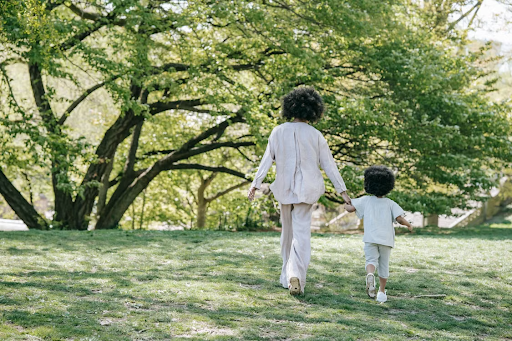
A family can become separated in the minutes it takes to escape fighting. One child reaches a shelter while a caregiver travels to another town. Both may be safe, yet neither knows where the other is.
Finding one another takes coordinated work. Family reunification for separated children begins with protection, continues through careful tracing and cannot end until a safe care arrangement is established.
How Does Conflict Separate Children From Their Families?
Attacks, sudden evacuations and crowded border crossings can break families apart. Parents may be hospitalized or detained, while children travel with neighbours or relatives. Communication networks can fail precisely when families need them.
Humanitarian workers distinguish between separated and unaccompanied children. A separated child is apart from a parent or usual caregiver but may be staying with relatives. An unaccompanied child lacks care from an adult responsible for them under law or custom. Both need appropriate protection.
What Happens When a Child Is Found Alone?
The first task is safety, not questioning. Trained staff assesses whether the child needs urgent medical attention, food, shelter, or protection from exploitation.
A caseworker then records identifying details, including names the child remembers, previous locations and possible relatives. Questions should suit the child’s age and avoid causing further distress.
While tracing continues, children may stay with screened relatives or suitable temporary caregivers. Maintaining familiar routines and access to education can reduce disruption.
How Do Humanitarian Organizations Trace Missing Relatives?
Family tracing involves checking available records and working with trusted community networks, authorities and specialized humanitarian agencies. Information from caregivers searching for children can be compared with records of children receiving assistance.
Because families may have crossed borders, organizations sometimes coordinate between countries. Details must be stored securely and shared only with authorized people.
Publicly posting a child’s photograph, name and location may appear helpful, but it can expose them to exploitation. Tracing requires confidentiality, patient verification and attention to the child’s wishes.
Why Is Finding a Relative Not Enough?
A matching name does not prove that an adult is the right caregiver. Workers verify relationships through records, interviews and other appropriate evidence, without exposing children to unnecessary questioning.
They also assess living conditions, safety concerns and whether the child and family want to reunite. Returning a child to an abusive or unsafe setting would defeat the purpose.
Decisions must reflect the child’s best interests. The aim is stable care, not simply closing a missing-person case.
What Happens After Reunification?
Returning home can bring relief alongside uncertainty. Families may still face damaged housing, interrupted schooling or lost income. Children can need time to rebuild trust and settle into routines.
Follow-up visits allow caseworkers to check safety and connect families with healthcare, education or emotional support. Where appropriate, community groups can help caregivers obtain essential services.
Successful reunification means knowing that the arrangement continues to meet the child’s needs.
What If Reunification Is Not Yet Possible?
Sometimes relatives cannot be located. At other times, contact is possible but a return would expose the child to serious harm.
Humanitarian teams then assess other appropriate family-based care options and continue tracing when safe. Children should receive clear information about their situation, with decisions guided by qualified protection workers.
Child protection in emergencies also means preventing unnecessary separation in the first place, including helping families stay together during evacuation and displacement.
How Can Canadians Support Family Protection?
Tracing requires trained caseworkers, secure records and cooperation across agencies. Children also need education, counselling and protection while their cases remain open.
War Child Canada supports conflict-affected communities through child-friendly spaces, learning opportunities, legal assistance and mental health services. Its published program descriptions do not identify a dedicated family tracing service, so these contributions should not be confused with direct reunification work.
Canadians can support verified child protection programs and ask charities how they safeguard children, coordinate referrals and report results.
Conclusion
Reuniting families takes care, discretion and continued support. Protecting children while relatives are located is as important as the reunion itself. In conflict settings, sustained child protection helps make safe family connections possible.
Frequently Asked Questions
What is the difference between separated and unaccompanied children?
Separated children are apart from their usual caregivers but may be with relatives. Unaccompanied children have no adult responsible for their care.
How do aid workers verify a child’s family?
They review records and speak with relevant people using safe procedures. They also assess whether reunification serves the child’s best interests.
Can family tracing happen across borders?
Yes. Authorized organizations can coordinate tracing across countries while protecting confidential information.
What happens if a child cannot safely return home?
Protection teams consider suitable alternative care and continue assessing the child’s needs. Reunification should never override safety.
