

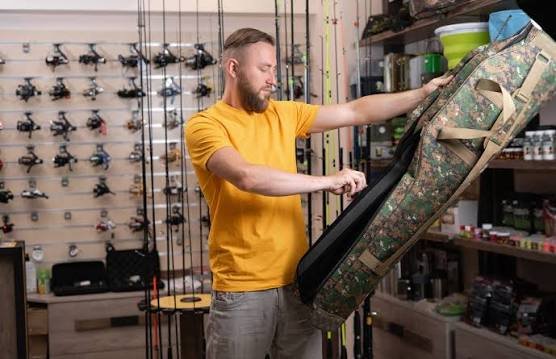
Shore fishing offers a relaxing way to spend time outdoors, but getting everything to the water can be surprisingly demanding. Rods, tackle boxes, coolers, bait, chairs, and protective equipment quickly add up, especially when the fishing spot requires a long walk across sand or uneven ground. Motorized utility carts can make transporting heavy equipment easier, with some models supporting loads of up to 350 pounds, according to e-Beach Wagon. Combining practical transportation with thoughtful equipment organization and basic safety precautions can make the entire fishing experience more enjoyable.
Make the Journey to Your Fishing Spot Easier
Reaching a good fishing location often involves carrying equipment farther than expected. Sandy beaches, rocky shorelines, and narrow access paths can turn a short walk into an exhausting trip, particularly when several people are sharing supplies. Planning how to transport equipment before leaving home helps prevent unnecessary physical strain and repeated trips between the vehicle and the water.
Wheeled carts are useful for moving larger loads, although their performance depends on the terrain. Wide, low-pressure tires generally work better on loose sand than narrow wheels that sink into the surface. Motorized carts can reduce the effort needed to move heavy equipment, particularly over longer distances. However, anglers should still consider the cart’s weight, available storage space, battery range, and the accessibility of their destination before choosing one.
Keep Fishing Equipment Organized and Accessible
Once the equipment reaches the shoreline, an organized setup makes fishing considerably easier. Rods should have designated storage positions, while tackle boxes, bait containers, and frequently used tools should remain within comfortable reach. Keeping sharp objects separate from food, drinks, and seating areas also reduces the chance of accidental contact.
Anglers should pay particular attention to hooks, lures, and other pointed equipment. Loose hooks can become hidden among towels, clothing, and supplies, creating hazards when someone reaches into a bag. Protective containers, hook covers, and properly secured tackle boxes help keep these items contained. A small first-aid kit should also be readily accessible rather than buried beneath heavier equipment.
Preparation extends to the places where anglers purchase their supplies. Tackle shops can help customers recognize commonly overlooked safety needs, particularly when they are preparing for extended fishing trips. For businesses supplying recreational anglers, bulk fishing safety products for retailers can support consistent access to specialized equipment, including tools designed for certain accidental fishhook injuries. Such products belong alongside conventional first-aid supplies, with clear information about their limitations and situations requiring professional medical attention.
Understand the Risks of Handling Fishing Hooks
Fishhook injuries can occur during casting, bait preparation, equipment handling, or attempts to release a struggling fish. Barbed hooks are particularly troublesome because their design makes removal from skin more difficult. Maintaining awareness of nearby people and keeping a safe distance during casting are simple ways to reduce accidental injuries.
When a hook becomes embedded in someone’s skin, the appropriate response depends on its location, depth, and surrounding tissue. Deeply embedded hooks, injuries near the eyes or joints, and wounds involving significant bleeding require prompt medical attention. Anglers should avoid pulling forcefully on an embedded hook or attempting removal when doing so could cause additional damage. Cleaning minor wounds appropriately, protecting the affected area, and checking tetanus vaccination status are also important parts of injury management.
Pack for Comfort Without Bringing Everything
Overpacking creates unnecessary weight and makes essential supplies harder to find. Rather than bringing every available accessory, anglers should select equipment based on the expected conditions, target species, and length of the trip. A carefully chosen selection of hooks, sinkers, lures, and spare line is often easier to manage than several overflowing tackle boxes.
Comfort also deserves consideration, particularly during longer outings. Drinking water, sunscreen, protective clothing, and suitable seating can make a significant difference. Shade is valuable when fishing in exposed areas, while waterproof containers help protect phones, spare clothing, and other sensitive belongings. Packing these items together in a logical arrangement reduces clutter around the fishing area.
Prepare for Weather and Changing Conditions
Shoreline conditions can change considerably throughout the day. Rising tides, increasing winds, unexpected rain, or stronger currents may affect both fishing opportunities and personal safety. Checking the forecast, tide information, and local access conditions before departure helps anglers choose suitable locations and decide what equipment to bring.
Equipment should also be secured against wind and water exposure. Lightweight containers may blow away, while unattended rods can be damaged or pulled into the water. Saltwater environments require additional maintenance because corrosion can affect metal components, reels, and electrical connections. Rinsing suitable equipment with fresh water after use, following manufacturer guidance, and allowing it to dry before storage can extend its useful life.
Make Packing Up Part of the Plan
The return journey deserves as much attention as the trip to the fishing spot. Wet equipment, leftover bait, tangled lines, and accumulated rubbish can make packing difficult, especially after several hours outdoors. Setting aside separate containers for used tackle, damp items, and waste keeps the process manageable.
Before leaving, anglers should carefully inspect the surrounding area for discarded fishing line, hooks, and other small objects that could injure wildlife or visitors. All equipment should be secured for transport, with heavier items placed low in the cart or storage container to improve stability.
A successful shore fishing trip depends on preparation as much as fishing technique. Reliable equipment transportation, organized supplies, sensible packing habits, and attention to personal safety help reduce avoidable problems. With these practical details handled, anglers can spend less time managing their gear and more time enjoying the water.
