

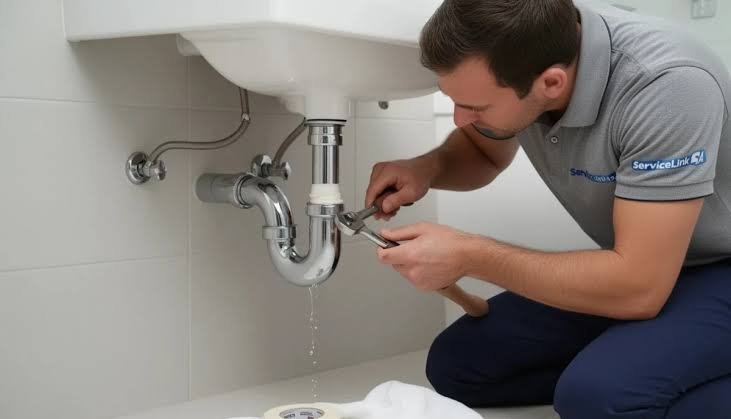
A leaking pipe can become a serious problem long before water appears on a wall or floor. Fortunately, not every damaged pipeline requires extensive excavation or complete replacement. For isolated defects, specialized repair hardware may provide a practical solution. Certain clamps can seal localized cracks and punctures, according to BlairSupply, while couplings allow damaged pipe sections to be removed and replaced. Understanding when these methods are appropriate can help property owners make informed decisions about plumbing repairs.
The challenge becomes greater when pipes are buried underground or concealed beneath concrete foundations. In these situations, locating the leak and evaluating the surrounding plumbing are often more complicated than repairing it. Choosing the right approach requires balancing accessibility, pipe condition, long-term reliability, and the disruption involved.
Why underground leaks require special attention
Water escaping from an exposed pipe is usually easy to identify. Underground leaks behave differently because moisture can travel through soil, concrete, and building materials before becoming visible. The location of a damp spot may be several feet from the actual pipe failure, making visual inspection alone unreliable.
Warning signs can include unexplained increases in water bills, reduced water pressure, persistent dampness, or the sound of running water when fixtures are turned off. Warm areas on flooring may also indicate leakage from a hot-water line. These symptoms deserve attention because prolonged moisture exposure can damage flooring, encourage mold growth, and affect the soil supporting a foundation.
Finding the source before making repairs
Accurate leak detection helps prevent unnecessary demolition and reduces the risk of repairing the wrong section of plumbing. Professionals may begin by reviewing water usage, checking pressure, and inspecting accessible connections. Acoustic instruments can detect escaping water, while thermal imaging may reveal temperature differences caused by leaking hot-water pipes. In more difficult situations, the diagnostic process is especially important. Slab-leak investigations conducted through https://bobtheplumbersd.com incorporate specialized detection methods to locate hidden failures before determining the appropriate repair strategy.
Once the problem is located, attention turns to the pipe itself. A small puncture in otherwise sound material presents a different challenge from a severely corroded line. Pipe age, operating pressure, accessibility, and the extent of deterioration all influence whether a localized repair will be sufficient.
When repair clamps and couplings make sense
Repair clamps are designed to seal certain types of damage without necessarily removing the affected pipe section. Many models wrap around the pipe and use a gasket to create a seal. They can be useful for localized cracks, pinholes, or punctures when the pipe material remains structurally sound, and the product is rated for the application.
Couplings serve a different purpose. They connect pipe sections, often allowing a damaged portion to be cut out and replaced. Depending on the plumbing system, suitable connections may use mechanical fittings, compression components, or other approved joining methods. The correct choice depends on material compatibility, pressure requirements, and installation conditions.
Neither solution is universally appropriate. A clamp designed for a municipal water main may not be suitable for residential plumbing beneath a concrete slab. Likewise, a flexible coupling intended for drainage cannot automatically be used on a pressurized drinking-water line. Proper sizing, manufacturer specifications, and applicable plumbing codes must guide the selection.
Repairing pipes beneath concrete foundations
Slab leaks create an additional challenge because the damaged pipe may be embedded in or located beneath a concrete foundation. Even a relatively small defect can require considerable work to access if it lies beneath finished flooring or structural elements.
One approach involves opening a limited section of flooring and concrete to expose the damaged pipe. The affected section can then be repaired or replaced using appropriate materials and connections. This method may be reasonable when the failure is isolated and the surrounding pipeline remains in good condition.
However, direct access is not always the most practical solution. If an older line has developed multiple leaks, repairing one location may leave other weakened sections vulnerable. In such circumstances, rerouting the water line through an accessible location or replacing a larger section of plumbing may provide a more dependable outcome.
The decision should account for more than the immediate plumbing expense. Flooring restoration, concrete removal, disruption to occupied rooms, and the possibility of future repairs can significantly affect the overall cost.
When is professional plumbing assistance urgent?
Not every concealed leak requires an emergency response, but certain warning signs demand immediate attention. Active flooding, rapidly spreading moisture, sudden major pressure loss, or water reaching electrical outlets and equipment can indicate a serious problem. In these situations, contact an emergency plumber and shut off the main water supply if it is safe to do so. Avoid contact with wet electrical equipment, and seek emergency assistance if there is an electrical or structural hazard.
Less dramatic symptoms also warrant prompt professional inspection. A water meter that continues registering usage when all fixtures are off, recurring damp patches, or an unexplained increase in water consumption may indicate ongoing leakage. Even without visible flooding, delaying repairs can allow moisture damage to spread. Suspected leaks beneath concrete foundations are particularly important to investigate because the full extent of the problem may remain hidden.
What makes an underground repair last?
Underground plumbing is exposed to conditions that differ from those affecting visible household pipes. Soil movement, moisture, corrosion, and changing temperatures can all influence performance over time. Even properly installed fittings may fail prematurely if they are incompatible with the surrounding materials or operating conditions.
For buried repairs, corrosion resistance and gasket durability are particularly important. Connections must also accommodate the pipe’s actual outside diameter, which can vary between materials even when their nominal sizes match. Incorrectly sized fittings may produce unreliable seals or place unnecessary stress on the surrounding pipe.
Installation quality matters just as much as material selection. Supporting the repaired line, preparing connections correctly, performing appropriate pressure or leak testing, and restoring the surrounding soil carefully all contribute to long-term reliability.
Preventing the next hidden leak
After a repair is completed, property owners should monitor water consumption and remain attentive to unusual moisture or pressure changes. A recurring leak may indicate deterioration elsewhere in the system rather than failure of the original repair.
Older plumbing systems can also benefit from periodic professional assessments, particularly after repeated leaks or significant changes in water pressure. Maintaining appropriate pressure and addressing corrosion-related concerns can help reduce avoidable strain on pipes and fittings.
Ultimately, effective underground pipe repair begins with an accurate diagnosis, not a particular product or technique. Whether the solution involves a clamp, a coupling, a replacement section, or an entirely new pipe route, the goal remains the same: restore reliable water service while avoiding unnecessary damage to the surrounding property.
