

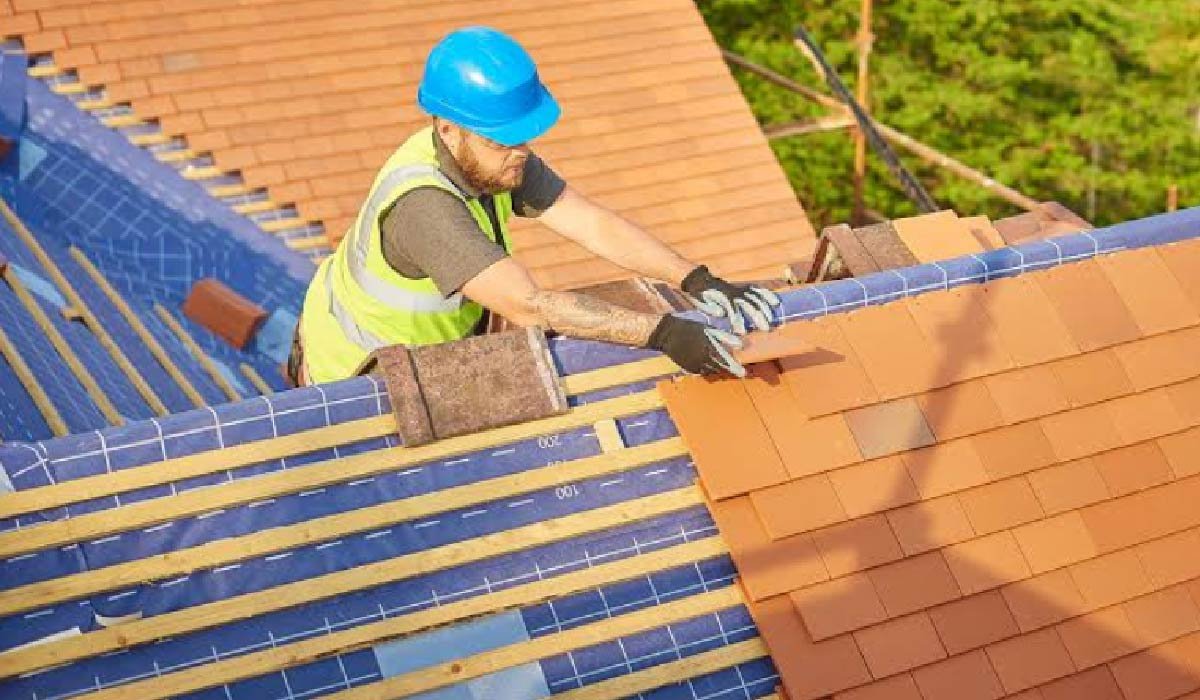
Your roof doesn’t come with a check-engine light. There’s no beeping alarm when shingles start to curl or when water finds its way through a weak spot in the flashing. Instead, your home sends subtler signals — a stain on the ceiling, a draft in the attic, granules collecting in the gutters — and homeowners who miss these cues often end up paying far more down the road.
At Northstar Exterior and Roofing, we’ve walked thousands of homeowners through this exact moment: standing in their driveway, staring up at a roof that’s served them well for years but is clearly nearing the end of its life. It’s rarely an easy decision. A new roof is a significant investment, and most people want to be certain before committing.
This post breaks down the warning signs worth watching for, what actually happens during a replacement, and how to choose a team you can trust with one of the most important parts of your home.
What Are the Clearest Signs You Need a New Roof?
Roofs age gracefully until they don’t. Most asphalt shingle roofs last between 20 and 25 years, but factors like ventilation, installation quality, and local weather can shorten or extend that window considerably.
Here are the signs that typically mean it’s time to stop patching and start planning:
- Curling or cupping shingles: When shingles lose their flat profile, they’re no longer shedding water effectively.
- Missing granules: Those sandy bits collecting in your gutters are protective granules washing off your shingles, a sign they’re breaking down.
- Daylight through the attic boards: If you can see light coming through your roof deck, water can get through too.
- Sagging rooflines: A sagging roof often points to structural damage underneath, not just a surface problem.
- Frequent leaks: One leak might be a quick fix. Repeated leaks in different spots usually mean the whole system is failing.
- Rising energy bills: Poor insulation and ventilation caused by an aging roof can quietly push your heating and cooling costs higher every season.
If two or more of these sound familiar, it’s worth scheduling an inspection before a small issue becomes a much bigger (and costlier) one.
How Long Does a Roof Replacement Actually Take?
One of the most common questions homeowners ask is how disruptive the process will be. The honest answer: less than most people expect.
For an average single-family home, a full roof replacement typically takes one to three days, depending on the size of the roof, the materials chosen, and the weather. Larger or more complex roofs with multiple angles, skylights, or chimneys may take a bit longer.
The process generally follows these steps:
- Inspection and estimate: A roofing professional examines the current roof, identifies underlying issues, and provides a detailed, written estimate.
- Material selection: Homeowners choose shingle style, color, and underlayment based on budget, climate, and aesthetic preference.
- Tear-off: The old roofing material is removed down to the deck, allowing the crew to check for rot or damage underneath.
- Repair and preparation: Any damaged decking is replaced, and new underlayment is installed to create a solid, weatherproof base.
- Installation: New shingles, flashing, and ventilation components are installed according to manufacturer specifications.
- Final inspection and cleanup: The crew does a thorough walk-through, checks for nails or debris in the yard, and confirms everything meets code.
A well-run crew keeps the process efficient without cutting corners, which is exactly why choosing the right team matters as much as choosing the right shingles.
What Should You Look for in a Roofing Contractor?
Not all roofing companies operate the same way, and the difference shows up in the quality of the work and the experience of getting it done.
Here’s what separates a contractor worth hiring from one worth skipping:
- Proper licensing and insurance: This protects you from liability if something goes wrong during the project.
- Manufacturer certifications: Certified installers often qualify homeowners for stronger warranties on materials.
- Clear, written estimates: Vague pricing or verbal-only quotes are a red flag.
- Local reputation: Reviews and references from homeowners in your area tell you more than a polished sales pitch ever will.
- Transparent communication: You should always know what’s happening, when, and why.
Choose a contractor who explains their process clearly and answers questions without pressure. If something feels rushed or unclear during the estimate, it’s worth getting a second opinion.
Why Choose Northstar Exterior and Roofing for Your Next Project?
A roof replacement that protects your home, boosts its curb appeal, and gives you peace of mind for decades is exactly what Northstar Exterior and Roofing delivers for homeowners every day. We’ve built our reputation on straightforward communication, skilled craftsmanship, and materials that stand up to real-world weather, not just showroom conditions.
Our team starts every project with a no-pressure inspection, walks you through every option available for your budget and style, and handles the entire process from tear-off to final cleanup. We work with trusted manufacturers to offer strong warranty coverage, and we stand behind our installation long after the crew packs up.
Homeowners choose Northstar Exterior and Roofing because we treat every roof like it’s protecting our own family — because for the people who live underneath it, that’s exactly what it’s doing.
Ready to Take the Next Step?
A roof rarely fails all at once. It wears down gradually, and the signs are there long before a leak forces your hand. Paying attention now, whether that means scheduling an inspection or simply learning what to watch for, puts you in control instead of reacting to an emergency.
If your roof has been sending signals, don’t wait for a bigger problem to confirm what you already suspect. Reach out to Northstar Exterior and Roofing for an honest inspection and a clear plan forward, built around your home, your budget, and your timeline.
Frequently Asked Questions
How much does a roof replacement typically cost?
Costs vary widely based on roof size, material choice, and regional labor rates. A detailed, in-person estimate is the most reliable way to get an accurate number for your specific home.
Can I replace my roof in the winter?
Yes, though certain materials and adhesives perform best in moderate temperatures. Experienced crews adjust their techniques to ensure quality installation even in colder months.
Will my homeowner’s insurance cover roof replacement?
Insurance coverage often depends on the cause of damage, such as storms or fallen trees, versus normal wear and aging. Reviewing your policy or speaking with your insurer can clarify what’s covered.
How do I know if I need a repair or a full replacement?
Isolated damage, like a single damaged shingle patch, often just needs a repair. Widespread issues, structural sagging, or a roof nearing the end of its expected lifespan usually call for full replacement.
