

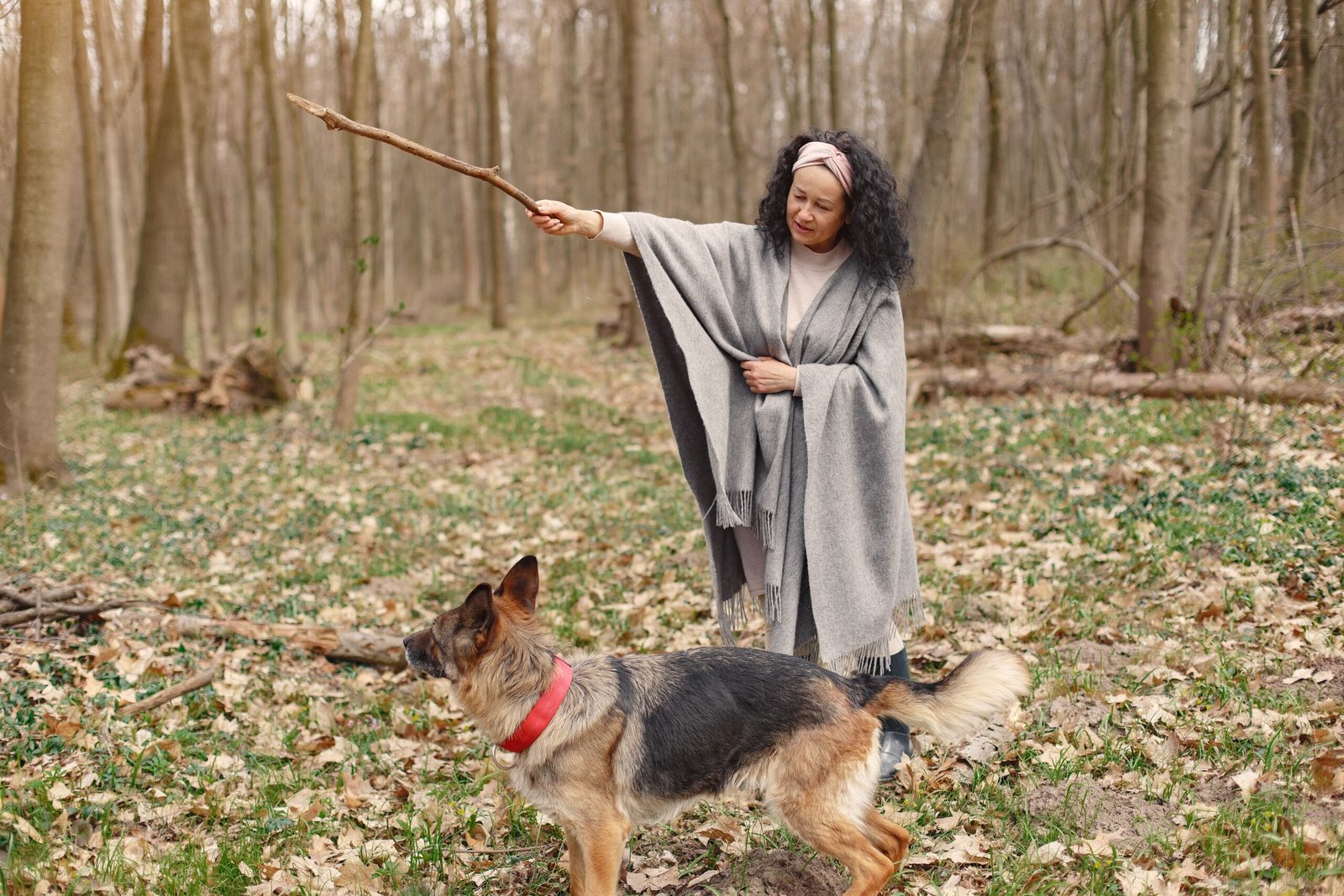
A dog that comes running when called is every owner’s dream. Whether you are at home, walking in a park, or spending time outdoors, a reliable response to your voice makes everyday activities easier. However, some dogs ignore their owners when they become distracted by other animals, interesting smells, or unfamiliar surroundings.
Training on dog recall helps dogs learn to go back to their owners when called. It is a significant obedience skill that may be used to enhance communication, help with safer outings, and make everyday training more pleasant. With patience, rewards and practice, you can get your dog to respond more consistently.
What Is Recall Training and Why Is It Important?
Recall training is used to teach a dog to go back to its owner on command, e.g. “Come” or Here. The idea is to make your dog realise that when you call him, it is a good thing to do.
A reliable recall can be useful in many situations:
- Recalling your dog during outdoor play.
- Preventing your dog from approaching unsafe areas.
- Managing unexpected distractions during walks.
- Enhancing off-leash activities in designated areas.
- Strengthening communication between you and your dog.
However, recall does not guarantee safety in every situation. Dogs must always be kept on a leash when it is necessary or in places where they are not safe when released.
Consistent guidance can make obedience training easier for both dogs and their owners. Visit Waggie’s official website to explore its dog training services and learn more about professional training support.
6 Steps to Teach Your Dog to Come When Called
The best way to do recall training is to begin with easier exercises and then get more difficult as you progress.
1. Choose a Clear Recall Command
Start by choosing one short command, such as “Come” or “Here.” Always use the same word when calling your dog back.
Do not have multiple commands to perform the same action. Consistency aids in making your dog comprehend your expectations. Use a friendly, encouraging voice instead of shouting.
2. Begin Training in a Quiet Place
Start indoors or in a secure, enclosed area with very few distractions. Keep a slight distance between you and your dog, call their name and then give the command you have decided.
When your dog comes near, reward them instantly either with a small treat, praise or a favourite toy. Continue practising in small blocks till your dog begins to act a bit more confident.
3. Make Coming Back a Positive Experience
Dogs tend to repeat behaviours that result in something pleasurable. When your dog approaches you, find something that it really likes.
You can use:
- Small, tasty treats.
- Verbal praise.
- Favourite toys.
- Short play sessions.
Do not rebuke your dog when they finally come back, even when they take longer than anticipated. You want them to associate coming back with positive experiences.
4. Gradually Introduce Distractions
When your dog reacts well indoors, then train in new environments. Experiment with a quiet garden or some other safe outdoor space.
Later, introduce mild distractions, such as distant people, familiar dogs, or new smells. Reward your dog for responding despite these distractions.
Gradually intensify the challenge. When your dog is not doing well, go back to a way you know and do it again.
5. Practise with a Long Training Leash
You can use a long training leash to practise recall outside and keep things in check. Take your dog outside to a safe environment, and call them with your preferred command.
When they return, reward them immediately. Never use the leash to drag your dog towards you. The idea is to give instructions and leave your dog to act on his own.
6. Keep Training Sessions Short and Consistent
Prolonged training would cause dogs to lose their interest. Rather, practise for a few minutes many times during the day.
Practice recall during regular routine duties, such as playtime and walks. Regular practice helps your dog become familiar with the command.
Conclusion
Training your dog to respond to your call requires patience, consistency and positive reinforcement. When beginning, use a quiet environment, reward successful responses, and increase distraction over time. With regular practice, recall can become a valuable part of your dog’s everyday training.
