

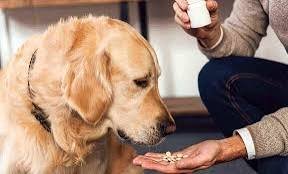
Probiotics are becoming increasingly popular among dog owners looking to support their pets’ digestive health. From occasional diarrhoea and gas to irregular bowel movements, probiotics may help maintain a healthy balance of gut bacteria. However, one common question many pet parents have is: How long does it take for probiotics to work in dogs?
The answer depends on several factors, including your dog’s digestive health, the type of probiotic supplement, the specific strains used, and the reason for giving probiotics. Some dogs may show improvements within a few days, while others may need several weeks of consistent supplementation to experience noticeable benefits.
Let’s explore how probiotics work, when you can expect results, and what factors influence their effectiveness.
How Long Does It Take for Probiotics to Work in Dogs?
In general, dogs may begin showing improvements within a few days to two weeks of starting a probiotic supplement. However, the timeline varies depending on the dog’s individual health and digestive concerns.
Here’s a general guide to what you might expect:
- First 1–3 days: Some dogs may experience early changes in stool consistency or digestive comfort. Others may show no noticeable difference yet.
- Within 1 week: Dogs with mild digestive disturbances may begin showing improvements in bowel movements, gas, and stool consistency.
- Within 2–4 weeks: Consistent supplementation may help support a healthier gut microbiome and more regular digestion.
- After 4 weeks: Pet owners may notice more consistent digestive patterns, although results depend on the underlying issue and probiotic formulation.
These timelines are general expectations, not guaranteed results. Probiotics are not an instant solution, and they may not address the underlying cause of persistent digestive problems.
How Do Probiotics Work in Dogs?
A dog’s digestive system contains millions of microorganisms, including beneficial and potentially harmful bacteria. Together, these microorganisms form the gut microbiome, which plays an important role in digestion, nutrient absorption, immune function, and overall health.
Probiotics are live microorganisms that provide health benefits when administered in adequate amounts. They help support the balance of beneficial bacteria in the digestive tract.
When a dog consumes probiotics, certain beneficial microorganisms can help:
- Maintain gut bacteria balance: Support a healthy balance between beneficial and potentially harmful microorganisms.
- Support digestion: Help break down certain nutrients and support normal digestive processes.
- Promote regular bowel movements: Support healthy stool consistency and digestive regularity.
- Support immune function: Interact with the gut-associated immune system, which plays an important role in overall immunity.
- Support intestinal health: Help maintain the normal functioning of the intestinal barrier.
The effectiveness of probiotics depends on the bacterial strains used, their viability, dosage, and your dog’s individual needs.
Factors That Affect How Quickly Probiotics Work in Dogs
Not every dog responds to probiotics at the same rate. Several factors can influence how quickly you notice improvements.
1. Your Dog’s Existing Gut Health
Dogs with mild digestive imbalances may respond relatively quickly to probiotic supplementation. However, dogs experiencing ongoing digestive problems may require more time and veterinary guidance.
The condition of your dog’s existing gut microbiome can influence how well a probiotic supplement supports digestive balance.
2. Type and Strain of Probiotics
Different probiotic strains offer different potential benefits. For example, Lactobacillus and Bifidobacterium species are commonly used in probiotic supplements, while certain Enterococcus and Bacillus strains are also used in canine formulations.
Not all probiotics work in the same way. Choosing a supplement containing well-researched strains specifically formulated for dogs can make a difference.
3. Consistency of Supplementation
Probiotics generally work best when given consistently according to the product’s instructions or your veterinarian’s recommendation.
Skipping doses or frequently switching between supplements may make it harder to evaluate whether a particular product is helping your dog.
Also read – 7 best probiotics for dogs
4. Diet and Lifestyle
Your dog’s overall diet also influences gut health. A balanced diet, adequate hydration, regular exercise, and a consistent feeding routine can help support digestive function.
Sudden dietary changes, food intolerances, stress, and certain medications may also affect the gut microbiome.
Signs That Probiotics Are Working in Your Dog
Since probiotics work inside the digestive system, improvements may not always be immediately obvious. However, there are several signs that may indicate your dog is responding positively.
Look for these changes:
- Improved stool consistency: Your dog’s stools become more formed and easier to pick up.
- More regular bowel movements: Your dog develops a more predictable bathroom routine.
- Reduced gas: You may notice less excessive flatulence.
- Better digestive comfort: Your dog may experience fewer mild digestive disturbances.
- Improved appetite: If digestive discomfort was affecting food intake, your dog may show renewed interest in meals.
Keep in mind that these signs are not proof that probiotics are working. Persistent symptoms should always be evaluated by a veterinarian.
How to Help Probiotics Work Better for Your Dog
If you want to get the most out of probiotic supplementation, a few simple practices can help.
- Choose a dog-specific probiotic: Look for products containing clearly identified strains, appropriate CFU counts, and quality assurance information.
- Follow the recommended dosage: Give your dog the amount specified on the product label or recommended by your veterinarian.
- Maintain a consistent routine: Administer probiotics regularly rather than giving them occasionally.
- Support gut health through nutrition: Feed your dog a balanced, age-appropriate diet and avoid unnecessary dietary changes.
- Monitor digestive changes: Track stool consistency, appetite, gas, and bowel movement frequency to evaluate progress.
If your dog takes antibiotics or other medications, ask your veterinarian whether probiotics are appropriate and whether their administration should be separated.
Are There Any Side Effects of Probiotics in Dogs?
Probiotics are generally well tolerated by healthy dogs, but some may experience mild digestive changes when starting a new supplement.
Possible temporary effects include:
- Mild gas or bloating
- Changes in stool consistency
- Occasional loose stools
- Minor digestive discomfort
These effects may settle as your dog’s digestive system adjusts. However, stop the supplement and consult your veterinarian if symptoms worsen or persist.
Dogs with serious illnesses, weakened immune systems, or underlying health conditions should only receive probiotics under veterinary guidance.
When Should You Consult a Veterinarian?
If your dog has persistent diarrhoea, vomiting, blood in the stool, unexplained weight loss, or a noticeable loss of appetite, do not rely on probiotics alone.
Seek veterinary advice to identify the underlying cause. Puppies, senior dogs, and dogs with existing medical conditions may need prompt evaluation, particularly if they show signs of dehydration or lethargy.
Probiotics can be a useful addition to a digestive health routine, but they are not a replacement for appropriate veterinary treatment.
Final Thoughts
So, how long does it take for probiotics to work in dogs? While some dogs may show early improvements within a few days, others may need two to four weeks of consistent supplementation to experience noticeable digestive benefits.
The key is choosing a suitable, dog-specific probiotic, following the recommended dosage, and maintaining a healthy diet. Most importantly, monitor your dog’s progress and consult your veterinarian if digestive symptoms continue.
With the right approach, probiotics can help support a balanced gut microbiome and contribute to your dog’s overall digestive wellness.
