

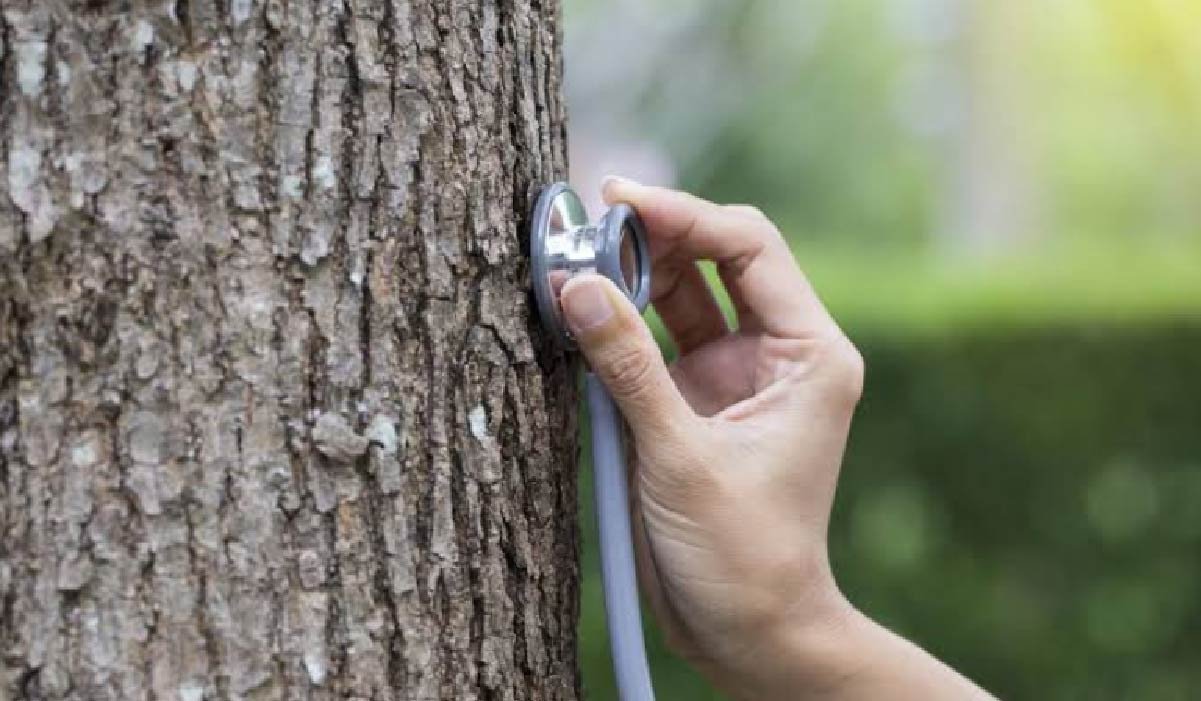
Trees do more than shade your backyard. They clean the air, boost property value, and provide a sense of permanence that few other landscape features can match. Yet many homeowners don’t think about their trees until something goes wrong—a cracked limb, yellowing leaves, or a trunk that suddenly looks hollow. By then, the damage is often advanced, and the cost of fixing it has multiplied.
At Arborwright Tree Care, we believe trees deserve the same proactive attention you’d give to any other valuable asset on your property. A little observation and seasonal maintenance can prevent the kind of decline that eventually leads to removal. This post walks through the warning signs every property owner should watch for, the seasonal rhythms that keep trees resilient, and how professional support can extend the life of your landscape for decades.
What Are the Early Warning Signs of a Struggling Tree?
Trees rarely fail overnight. Long before a limb drops or a trunk splits, there are usually signals—subtle ones, but signals nonetheless.
Leaf discoloration is often the first clue. Leaves that yellow or brown out of season, especially when neighboring trees of the same species look fine, usually point to stress from drought, nutrient deficiency, or root damage. Bark abnormalities matter too. Peeling bark, deep vertical cracks, or oozing sap can indicate disease, insect infestation, or internal decay that isn’t visible from the outside.
Dead branches scattered throughout the canopy, rather than isolated to one area, often suggest a systemic issue rather than a localized injury. And if you notice fungal growth at the base of the trunk, mushrooms or shelf-like conks, this is frequently a sign of root or heartwood decay that’s already progressed significantly.
Catching these signs early gives you options. Catching them late often leaves removal as the only safe choice.
How Do the Seasons Affect Tree Maintenance?
Trees don’t need the same attention year-round. Matching your care routine to the calendar makes maintenance more effective and far less wasteful.
Spring: Set the Foundation
Spring is when trees come out of dormancy and need resources to support new growth. This is the ideal time for fertilization, especially for trees planted in nutrient-poor soil. It’s also a good window for structural pruning, since you can clearly see which branches survived winter and which didn’t.
Summer: Watch for Stress
Heat and drought put real pressure on root systems, particularly for younger trees that haven’t developed deep roots yet. Consistent watering, paired with a layer of mulch to retain soil moisture, helps trees push through the hottest months without tapping into their energy reserves.
Fall: Prepare for Dormancy
As temperatures drop, trees redirect energy toward root development rather than leaf production. Fall is an excellent time for deep root fertilization and for removing any branches that could become hazards under winter snow or ice loads.
Winter: Inspect and Plan
With leaves gone, winter offers the clearest view of a tree’s structure. It’s the easiest season to spot cracks, cavities, or weak branch unions that were hidden by foliage, and a smart time to plan major pruning or removal work before spring growth resumes.
Why Does Soil Health Matter as Much as the Tree Itself?
Most people focus entirely on what’s visible above ground, but a tree’s long-term health is decided largely underground. Compacted soil restricts root expansion and limits the oxygen and water roots need to function. This is especially common in yards where heavy equipment, foot traffic, or construction has pressed the soil down over time.
Soil pH also plays a bigger role than most homeowners realize. A tree species that thrives in acidic soil will struggle—sometimes visibly, sometimes quietly—if it’s planted in alkaline conditions, regardless of how much water or fertilizer it receives. Testing soil composition before diagnosing a tree’s symptoms can save significant time and money, since treating the wrong problem rarely solves anything.
Aeration, organic mulching, and targeted soil amendments are often more effective at reviving a declining tree than any amount of pruning or spraying.
When Should You Call in a Professional Arborist?
Some tree issues are manageable with basic homeowner knowledge. Others require trained eyes and specialized equipment. Recognizing the difference protects both your property and your safety.
Call a professional if you notice:
- Large dead limbs positioned over structures, driveways, or walkways
- A tree leaning more than it used to, especially after a storm
- Visible cavities or significant trunk damage
- Multiple trees in the same area showing identical symptoms, which can indicate a spreading pathogen or pest
- Any work that requires climbing or operating near power lines
Attempting major pruning or removal without proper training isn’t just risky for the tree. It’s genuinely dangerous for the person holding the chainsaw. A certified arborist carries the equipment, insurance, and species-specific knowledge to handle these situations safely.
How Can Consistent Tree Health Care Protect Your Property Long-Term?
Protecting the long-term value of your landscape depends on catching problems before they become expensive emergencies, and that’s exactly what consistent tree health care delivers. Rather than reacting to a crisis, a maintenance plan built around regular inspections, seasonal fertilization, and proactive pruning keeps trees resilient against pests, storms, and drought stress.
This approach also pays off financially. Removing a large, mature tree can cost thousands of dollars, not to mention the loss of shade, privacy, and curb appeal it once provided. Routine care costs a fraction of that and typically extends a tree’s productive lifespan by years, sometimes decades.
Arborwright Tree Care builds maintenance plans around the specific species, soil conditions, and climate factors present on each property we work with. No two yards are identical, and a one-size-fits-all approach rarely produces the best results for either the trees or the people who care for them.
Give Your Trees the Attention They’ve Earned
Trees are patient. They’ll often tolerate years of stress before showing obvious signs of decline, which is exactly why waiting for visible symptoms is such a costly strategy. A proactive approach, grounded in seasonal care and professional insight, keeps your landscape thriving instead of merely surviving.
If you’ve noticed any of the warning signs discussed above, or if it’s simply been a while since your trees had a professional look-over, reach out to Arborwright Tree Care. Our team can assess your property’s specific needs and build a plan that keeps your trees standing strong for years to come.
