

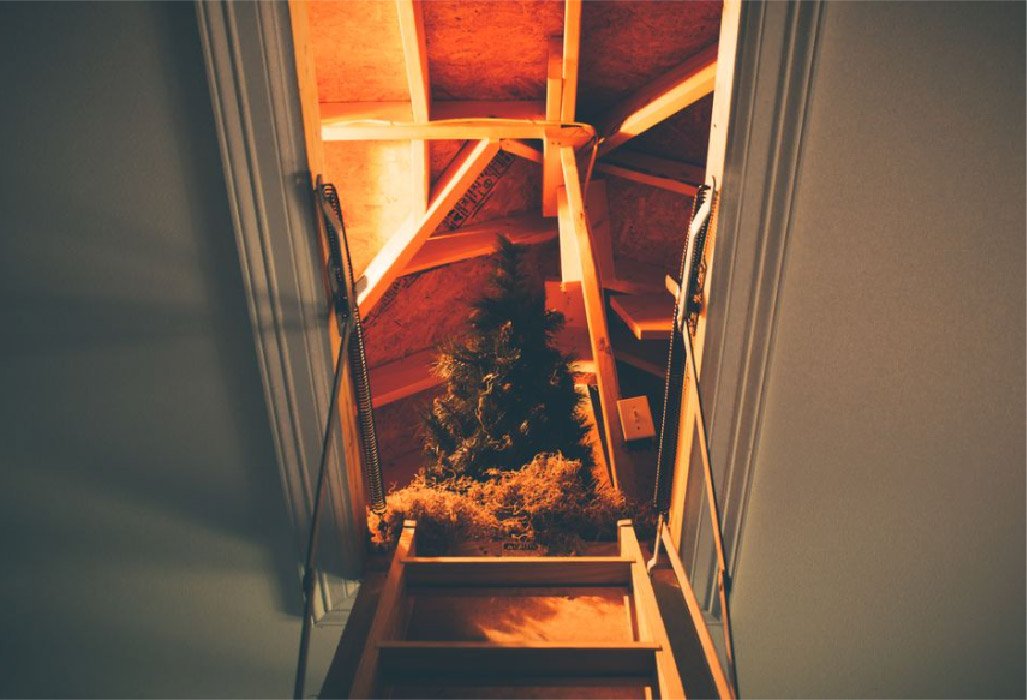
If you live in or around Bessemer, wooded edges, crawl spaces, and aging rooflines can create opportunities for wildlife to enter a home. Scratching, chirping, or heavy movement overhead may seem like a minor nuisance, but repeated sounds deserve attention. The source could be an animal moving through an attic, nesting near a vent, or traveling inside a wall cavity. Recognizing the clues early can help you protect the structure and avoid a more complicated cleanup.
Listen for Patterns, but Do Not Guess the Species
Different sounds can offer clues, but they are not a reliable way to identify an animal on their own. Light, rapid scratching after dark may suggest rodents. Heavier movement in an attic could indicate a larger animal, while fluttering near a chimney or vent may point to a bird. Pipes, ductwork, and settling materials can also make noises that resemble wildlife.
Pay attention to when the sound occurs, where it seems to come from, and whether it repeats. Note any odors, droppings, nesting material, gnaw marks, or damaged screens. Avoid opening walls or reaching into concealed spaces to investigate. A qualified professional can inspect safely and confirm what is present.
Local Conditions Make Entry Points Worth Checking
Properties with mature trees, older roof details, open crawl spaces, and aging vent covers may have vulnerabilities that are easy to miss from ground level. Branches can provide access to rooflines, while loose soffits and deteriorated fascia can create openings. Seasonal nesting and changes in weather may also influence when animals seek shelter.
If you hear activity and need an assessment, a wildlife removal company in Bessemer can inspect entry points, identify the likely species, and recommend an appropriate removal and exclusion plan. Covenant Wildlife provides wildlife removal services, so ask how the inspection, animal handling, and follow-up repairs are managed. A useful assessment should explain what is active, where animals are entering, and how the opening will be secured after removal.
Attics and Crawl Spaces Offer Shelter
Attics provide darkness, insulation, and limited disturbance. Crawl spaces can offer cover and access to moisture. Small openings around roof returns, soffits, vents, utility penetrations, and foundation gaps may be enough for some animals to enter.
Once inside, wildlife can damage more than stored belongings. Rodents may chew wiring and contaminate surfaces. Squirrels can disturb insulation and damage roofline materials. Larger animals may crush ductwork or tear apart insulation while making a nest. Moisture from urine or damaged roofing can add another problem, particularly when contaminated material remains hidden.
The longer activity continues, the more likely it is that removal will need to be followed by cleaning, repairs, or insulation replacement.
Why Sealing a Hole Too Soon Can Backfire
Foam, mesh, and quick repairs may seem like easy solutions, but sealing an opening before confirming that animals have left can trap them inside. It can also separate dependent young from an adult animal. The result may be distress, odor, additional damage, or an animal trying to force its way back indoors.
Effective exclusion starts with inspection. The professional should identify active and secondary entry points, determine whether a nest or young animals are present, and plan removal around the species and circumstances. Only after confirming the space is clear should permanent repairs close the access points.
Avoid using poison or improvised repellents in wall cavities. A dead animal in an inaccessible space can create odor and sanitation problems, and products may pose risks to pets or other wildlife.
Hidden Contamination Needs Careful Cleanup
Droppings, urine, nesting material, and damaged insulation can create health and sanitation concerns. Do not sweep or vacuum rodent droppings, since disturbing contaminated material can put particles into the air. The Centers for Disease Control and Prevention provides specific guidance for cleaning up after rodents, including precautions for gloves, disinfectants, and heavily contaminated areas.
For significant contamination, material inside ductwork, or large attic infestations, arrange professional cleanup rather than handling it as an ordinary household chore. Removal alone may not address damaged insulation, contaminated surfaces, or openings that allow animals to return.
Choose Help That Understands Wildlife and Local Rules
Wildlife handling requirements vary by species and location. Before hiring a provider, ask about experience with the animal involved, humane handling practices, exclusion methods, cleanup, and repair work. Request a written explanation of the recommended process and any follow-up visit.
The Alabama Department of Conservation and Natural Resources lists permitted nuisance wildlife control operators and explains how to find assistance. Check current state guidance and confirm that the provider is properly permitted for the work and species involved. Do not assume every pest-control company is qualified for wildlife removal.
Prevent Repeat Visits by Checking the Whole Exterior
After removal, inspect the house as an access map. Look for loose soffits, damaged fascia, gaps around pipes and cables, uncapped chimneys, and torn vent screens. Trim branches that touch or overhang the roof where practical, and secure trash, pet food, and birdseed so they do not attract animals close to the structure.
Keep the crawl space and attic in good repair, and revisit vulnerable areas after storms or roof work. Prevention is not a one-time application; it is routine attention to the places animals can enter.
Respond Early and Protect the Home
Unfamiliar sounds do not always mean wildlife is inside, but recurring scratching, movement, odors, or visible evidence should not be ignored. Record what you notice, avoid disturbing concealed nests, and arrange a qualified inspection. A careful process identifies the animal, removes it appropriately, addresses contamination, and closes the entry points only when safe. Acting early can limit damage and make the solution less disruptive. Keep photographs of damage and copies of inspection notes, estimates, and repair records so future maintenance decisions are based on documented findings.
