

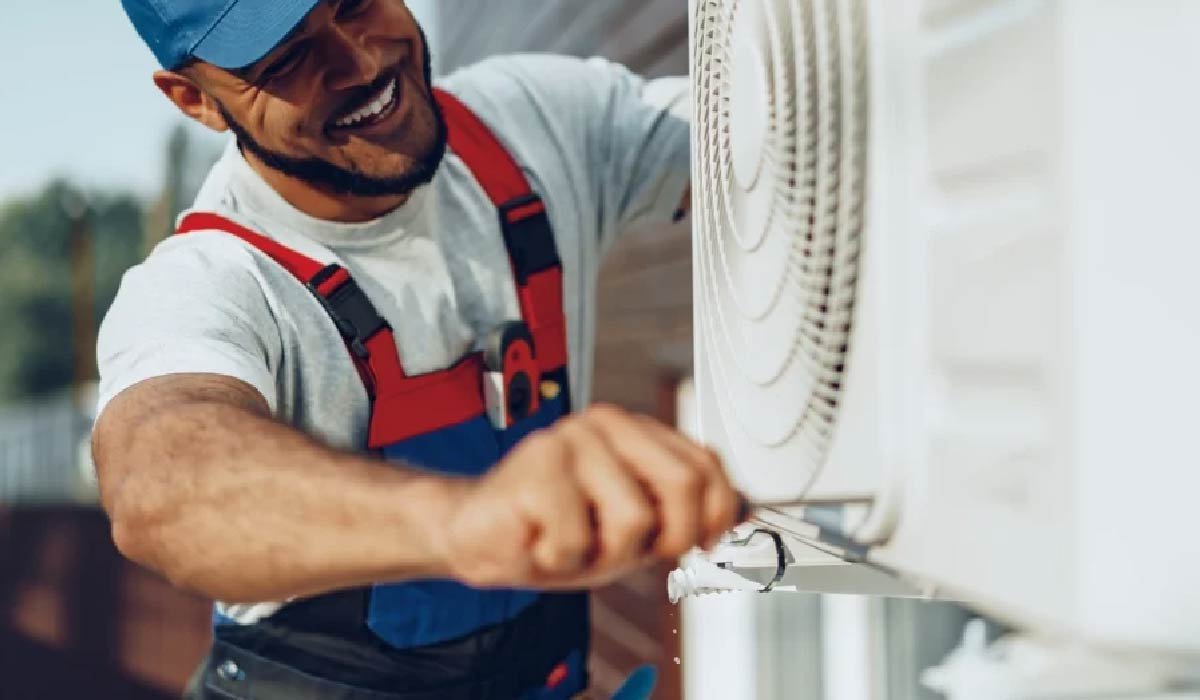
A comfortable indoor environment depends on a heating and cooling system that can maintain consistent temperatures, provide proper airflow, and operate efficiently throughout the year. Whether homeowners are constructing a new property, replacing outdated equipment, or upgrading an existing heating and cooling system, choosing the right solution is an important investment. Professional HVAC installation helps ensure that every component is selected and configured according to the property’s specific requirements. Modern heating, ventilation, and air conditioning systems combine several functions, including temperature regulation, air circulation, ventilation, and humidity management. However, the quality of the equipment alone does not guarantee dependable performance. Proper planning, accurate system sizing, suitable equipment placement, and professional connections are equally important. A carefully completed HVAC installation can improve everyday comfort, support energy efficiency, and reduce unnecessary operating difficulties. Homeowners who understand the installation process can make more informed decisions and choose equipment that provides practical long-term value.
Understanding Modern Heating and Cooling Systems
Modern HVAC installation begins with understanding how different heating and cooling components work together to maintain indoor comfort. A complete HVAC system may include an air conditioner, furnace, heat pump, air handler, thermostat, ventilation equipment, and ductwork, depending on the property’s requirements. Each component performs a specific function, but all must operate together to deliver consistent results. Air conditioning equipment removes heat from indoor spaces, while furnaces and heat pumps provide heating through different operating methods. Ventilation supports air exchange, and filtration components help capture airborne particles as air circulates through the property. Professional HVAC installation ensures that the selected equipment is compatible and that each component is configured correctly. Homeowners should consider the property’s size, insulation, existing infrastructure, and everyday comfort expectations before choosing a system. Understanding these factors makes it easier to select equipment that meets actual heating and cooling demands rather than purchasing a system based solely on price or advertised features.
Selecting Suitable HVAC Equipment
Choosing the right equipment is one of the most important decisions involved in HVAC installation because different properties require different heating and cooling solutions. Some homes are better suited to central air conditioning and furnace combinations, while others may benefit from heat pumps or ductless mini-split systems. The most appropriate option depends on the building’s layout, available ductwork, energy requirements, and desired comfort features. Homeowners should compare equipment efficiency ratings, operating noise, maintenance requirements, warranty coverage, and compatibility with existing infrastructure. A professional contractor can explain the advantages of different systems and recommend equipment that provides a suitable balance between performance and operating costs. Selecting equipment without considering the property’s actual requirements can result in uneven temperatures, unnecessary energy consumption, and additional repair expenses. Careful HVAC installation planning helps prevent these problems by ensuring that the selected system is appropriate for the building and capable of meeting its heating and cooling needs.
Accurate System Sizing
Correct equipment sizing is essential for successful HVAC installation because heating and cooling systems must have sufficient capacity to handle the property’s demands without unnecessary energy consumption. An undersized system may operate continuously during demanding weather conditions while struggling to maintain the desired indoor temperature. An oversized system can create frequent cycling, inconsistent temperatures, and additional mechanical stress. Professional contractors evaluate several building characteristics before recommending equipment capacity, including square footage, ceiling height, insulation quality, window placement, air leakage, construction materials, and occupancy. These details help determine the actual heating and cooling loads rather than relying on general estimates. Accurate calculations allow contractors to recommend equipment that operates within its intended performance range. Proper HVAC installation also requires attention to airflow requirements and compatibility between the indoor and outdoor components. When equipment is correctly sized, homeowners can benefit from more balanced indoor temperatures, dependable operation, and better control over energy usage.
Inspecting Existing Ductwork
Ductwork plays an important role in HVAC installation when conditioned air must travel through different rooms and areas of a property. Even advanced heating and cooling equipment may struggle to deliver satisfactory results if the duct system contains leaks, damaged sections, poor insulation, or airflow restrictions. Before installing new equipment, technicians should inspect the existing duct network and identify conditions that could affect system performance. Leaking ducts can allow conditioned air to escape into unused spaces, increasing energy consumption and reducing comfort in occupied rooms. Poorly designed duct layouts may also cause uneven airflow, temperature differences, and unnecessary operating noise. Professional HVAC installation should include evaluating duct connections, checking insulation, and determining whether repairs or modifications are needed. In some properties, improving the existing ductwork may be just as important as upgrading the equipment itself. Addressing these issues before connecting a new system creates a stronger foundation for reliable heating and cooling performance.
Preparing the Property
Proper preparation helps make HVAC installation more efficient, organized, and safe. Before beginning the project, contractors should inspect the property, identify equipment locations, review electrical requirements, and determine whether existing infrastructure is suitable for the selected system. This preparation may involve checking available installation space, examining drainage arrangements, reviewing ventilation requirements, and inspecting existing heating and cooling components. If an older system is being replaced, technicians should determine whether electrical connections, refrigerant lines, ductwork, and other supporting components need attention. Homeowners should also discuss the project timeline, equipment specifications, labor requirements, and any additional improvements that may be necessary. A well-prepared installation area gives technicians sufficient access to complete their work properly. Professional HVAC installation depends on careful coordination between equipment selection, property preparation, and technical requirements. Taking these steps before the actual installation begins can reduce unnecessary delays and help prevent unexpected complications.
Understanding the Installation Process
A complete HVAC installation involves multiple technical stages that must be performed according to manufacturer specifications and applicable safety requirements. Once the equipment and installation locations have been confirmed, technicians position the indoor and outdoor components and prepare the necessary connections. Depending on the system, this may involve installing a furnace, air handler, condenser, heat pump, evaporator coil, or other supporting equipment. Electrical wiring, refrigerant piping, drainage connections, and ductwork must be completed carefully to ensure that all components function correctly. Refrigerant connections require particular attention because leaks or incorrect charging can interfere with heating and cooling performance. Drainage systems must also be configured properly to prevent moisture accumulation around indoor equipment. Professional HVAC installation does not end when the components are physically connected. Technicians must complete operational testing, verify system controls, examine airflow, and confirm that the equipment responds correctly to thermostat adjustments. These procedures help establish that the system is ready for dependable everyday operation.
Equipment Placement and Airflow
Correct equipment placement is another important consideration during HVAC installation because the position of indoor and outdoor components can influence system performance. Indoor equipment should be installed in an appropriate location that allows convenient access for maintenance while supporting effective airflow throughout the building. Outdoor units need sufficient clearance from walls, plants, fences, and other obstructions that could restrict air movement. The installation surface should also provide stable support and help minimize unnecessary vibration. Poor placement may contribute to increased noise, restricted airflow, and maintenance difficulties. Contractors should follow manufacturer clearance recommendations and consider drainage, accessibility, and environmental conditions when choosing equipment locations. Professional HVAC installation also requires attention to supply and return air arrangements so that conditioned air can circulate effectively. Proper airflow helps maintain more consistent temperatures and reduces unnecessary strain on the equipment. Thoughtful placement and careful system configuration contribute to a more comfortable and reliable indoor environment.
Improving Energy Efficiency
Energy efficiency is one of the main considerations for homeowners planning HVAC installation because heating and cooling equipment can account for a substantial portion of household energy consumption. Modern systems offer different efficiency levels and advanced operating features, but their actual performance depends on correct installation and suitable property conditions. Equipment that is incorrectly sized, poorly connected, or paired with unsuitable ductwork may consume more energy than expected. Professional contractors should verify airflow, refrigerant charging where applicable, electrical connections, and system settings to support efficient operation. Homeowners should also consider improving insulation and sealing air leaks around doors, windows, and other openings. These improvements reduce unnecessary heat transfer and help maintain comfortable indoor temperatures without placing excessive demands on the equipment. A properly planned HVAC installation combines suitable equipment with effective airflow and practical energy-saving measures. This approach can help homeowners manage operating expenses while maintaining reliable heating and cooling throughout changing seasons.
Smart Thermostats and Modern Controls
Modern thermostat technology can make HVAC installation more convenient by providing homeowners with greater control over indoor temperatures. Traditional thermostats offer basic adjustments, while programmable models allow users to establish schedules based on their daily routines. Smart thermostats may provide additional features, including remote access, mobile application controls, energy monitoring, and automated temperature adjustments. These capabilities can make it easier to manage heating and cooling without constantly changing settings manually. However, thermostat compatibility must be considered during HVAC installation because different systems may require specific wiring arrangements and control configurations. Heat pumps, multi-stage furnaces, and advanced air conditioning systems may need specialized thermostats to manage their functions correctly. Technicians should configure the controls according to equipment specifications and explain how homeowners can use the available settings. Understanding thermostat operation, scheduling, and temperature modes can help property owners maintain comfortable conditions while avoiding unnecessary adjustments that interfere with system performance.
Supporting Better Indoor Air Quality
Indoor air quality should also be considered when planning HVAC installation because heating and cooling systems influence how air circulates throughout a property. Dust, pollen, pet dander, and other airborne particles can accumulate indoors, particularly when ventilation and filtration are inadequate. Appropriate air filters help capture unwanted particles as air passes through the system, while ventilation solutions support better indoor air exchange. Homeowners may also consider compatible air purification equipment or humidity management features depending on their property’s requirements. However, filtration products must be selected carefully because filters with unsuitable airflow characteristics can restrict circulation and affect equipment performance. Professional HVAC installation provides an opportunity to evaluate filtration compatibility, ventilation arrangements, and other indoor air quality improvements. Contractors can explain which options are suitable for the system and whether additional equipment is necessary. A well-designed HVAC setup can support comfortable temperatures while contributing to a cleaner and more pleasant indoor environment.
Choosing an Experienced HVAC Contractor
The quality of professional workmanship can make a significant difference in the performance and reliability of a newly installed heating and cooling system. Experienced contractors understand equipment specifications, electrical requirements, airflow principles, refrigerant handling, and installation procedures. Their technical knowledge helps them identify potential problems before work begins and recommend practical solutions based on the property’s actual conditions. Homeowners looking for dependable hvac installation should consider working with a professional company that prioritizes careful assessments, suitable equipment recommendations, and quality workmanship. A reliable contractor should explain the installation process, provide clear project estimates, discuss available equipment options, and answer questions about warranties and maintenance. It is also beneficial to check relevant licensing, insurance, certifications, and manufacturer training where applicable. Selecting a contractor based only on the lowest estimate can result in compromises that affect long-term system performance. A professional approach focuses on completing the work correctly and ensuring that the equipment operates safely and effectively.
Avoiding Common Installation Mistakes
Several common mistakes can reduce the effectiveness of HVAC installation and create problems that may become expensive to correct. Incorrect equipment sizing is a major concern because systems that are too large or too small may struggle to maintain comfortable indoor temperatures. Poor duct connections, inadequate insulation, and restricted airflow can also prevent conditioned air from reaching the intended rooms. Incorrect electrical wiring may create safety risks, while improper refrigerant charging can interfere with equipment performance. Drainage problems may lead to moisture accumulation and damage around indoor components. Outdoor equipment placement should also follow manufacturer requirements to ensure sufficient airflow and maintenance access. Another important mistake is failing to complete proper system testing after installation. Contractors should verify that heating, cooling, thermostat controls, and other essential functions operate as intended. Careful HVAC installation requires attention to every technical detail instead of focusing only on getting the equipment running. Homeowners can reduce potential problems by choosing qualified professionals and discussing the project’s requirements before work begins.
Replacing Old Heating and Cooling Equipment
Replacing outdated equipment is a common reason homeowners consider HVAC installation, particularly when an existing system requires frequent repairs or no longer provides consistent comfort. Older heating and cooling units may gradually lose efficiency as components wear down, and their operating costs can become increasingly difficult to manage. Homeowners may notice unusual noises, inconsistent airflow, frequent cycling, or rising energy bills when equipment begins experiencing performance problems. Although repairs can sometimes restore normal operation, repeatedly fixing an aging system may become less practical than replacing it. A new installation provides an opportunity to evaluate the property’s current requirements and select equipment with improved efficiency and modern controls. However, contractors should not automatically recommend a replacement system with the same capacity as the old equipment. Changes in insulation, windows, building layout, and household needs may affect the property’s heating and cooling demands. A professional assessment helps determine the most suitable replacement option.
Regular Maintenance After Installation
Once HVAC installation is complete, regular maintenance becomes important for protecting equipment performance and extending its useful service life. Heating and cooling systems contain several components that require periodic inspection, including filters, coils, electrical connections, motors, drainage lines, and controls. Dirty filters can restrict airflow and make the system work harder than necessary, while debris around outdoor units may interfere with heat exchange. Homeowners can perform basic maintenance by checking filters, keeping vents unobstructed, and removing leaves or other visible debris from around outdoor equipment. More detailed inspections should be completed by qualified technicians who can evaluate electrical components, inspect refrigerant-related performance, test system controls, and identify developing problems. Scheduling maintenance before periods of heavy heating or cooling demand can help prevent unexpected interruptions. Professional HVAC installation combined with consistent maintenance supports dependable performance and helps homeowners protect their investment over time.
Long-Term Comfort and System Reliability
Planning for long-term comfort should be a priority when choosing HVAC installation because the system will influence everyday living conditions for many years. Homeowners should evaluate equipment efficiency, expected maintenance needs, warranty coverage, operating features, and compatibility with the property’s infrastructure before making a final decision. A reliable system should provide suitable heating and cooling capacity without unnecessary energy consumption or frequent operating problems. Contractors can help property owners compare available equipment and understand which features provide meaningful benefits. It is also important to consider future maintenance access and the availability of professional service when selecting a system. Actual operating costs will depend on equipment efficiency, outdoor conditions, insulation quality, thermostat settings, and household usage habits. A carefully planned hvac installation creates a dependable foundation for indoor comfort and gives homeowners a practical opportunity to improve their property’s heating and cooling infrastructure. Combining suitable equipment with professional service and responsible maintenance can support reliable performance for years.
Conclusion
A successful heating and cooling project requires more than selecting modern equipment. It involves evaluating the property, choosing suitable system capacity, inspecting ductwork, preparing installation areas, completing professional connections, and testing every important function. Homeowners should prioritize equipment compatibility, energy efficiency, indoor air quality, correct airflow, and reliable workmanship when planning an upgrade or replacement. Working with experienced professionals helps ensure that the system is installed according to manufacturer recommendations and applicable safety requirements. Quality HVAC installation provides the foundation for consistent indoor temperatures, dependable heating and cooling, and improved long-term system performance. By investing in suitable equipment, professional service, and regular maintenance, homeowners can create a comfortable indoor environment while protecting the value of their heating and cooling investment.
