

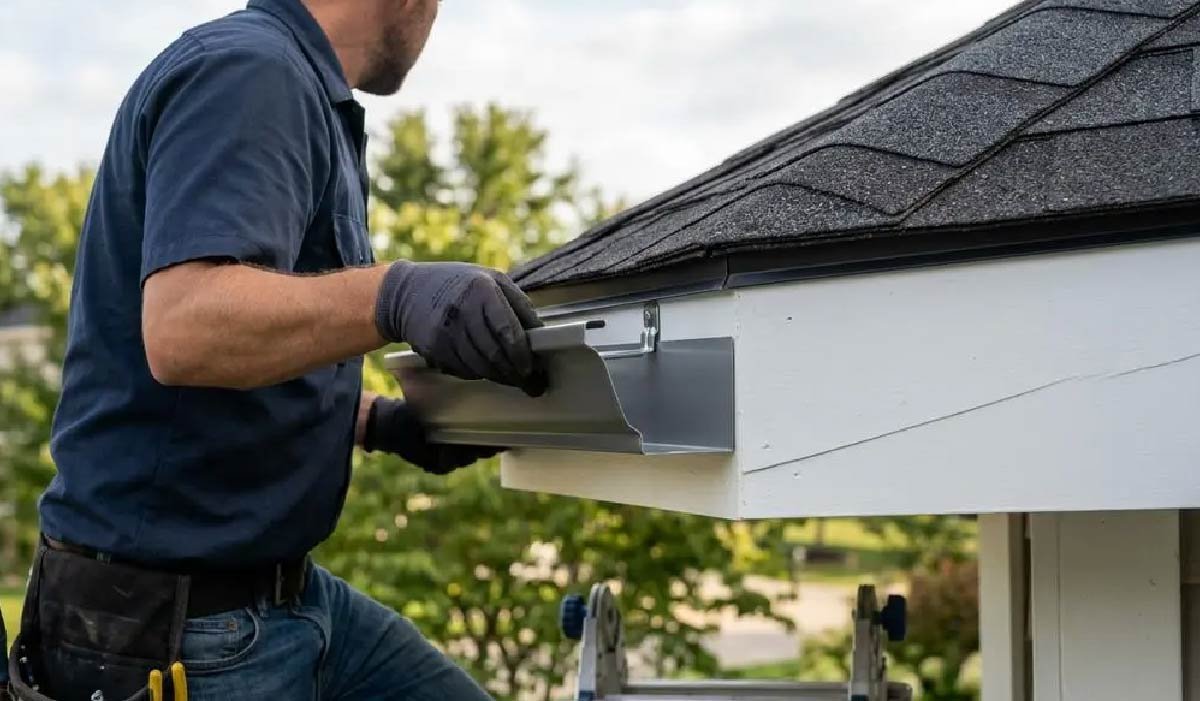
A properly designed drainage system is essential for protecting a building from water damage, foundation problems, soil erosion, and deterioration around the roofline. Gutters collect rainwater flowing from the roof and direct it away from exterior walls, entrances, landscaping, and the foundation. Without an effective system, rainwater can spill over roof edges, accumulate around the property, and gradually damage important structural components. Professional gutter installation helps homeowners establish a reliable way to manage rainwater while improving the durability and functionality of their roofing system. Choosing suitable gutter materials, accurate measurements, proper positioning, and secure fastening methods can make a significant difference in long-term performance. Whether a property needs a completely new drainage system or an upgrade to an existing arrangement, careful planning and quality workmanship help ensure that rainwater moves efficiently away from vulnerable areas.
Why Gutters Matter
Gutter installation plays an important role in protecting a property because uncontrolled roof runoff can cause several problems that may become expensive to repair. When rainwater falls directly from the roof onto the ground, it can wash away soil, damage flower beds, stain exterior walls, and collect near the foundation. Over time, repeated moisture exposure may contribute to basement seepage, foundation concerns, or deterioration around the building’s lower exterior surfaces. A properly functioning gutter system collects runoff and directs it toward suitable discharge points, helping reduce the amount of water that remains close to the structure. Gutters can also protect walkways, patios, decks, and entrances from excessive water falling from roof edges. By managing runoff more effectively, homeowners can maintain cleaner exterior surfaces and reduce avoidable maintenance concerns. Investing in a well-planned drainage system is therefore an important part of preserving the building’s overall condition and protecting its long-term value.
Choosing the Right Materials
Selecting appropriate materials is an important part of gutter installation because different options offer varying levels of durability, appearance, maintenance requirements, and affordability. Aluminum gutters are popular because they are relatively lightweight, resist rust, and are available in different colors to complement many exterior designs. Steel gutters may provide additional strength, although their protective coatings and maintenance requirements should be considered to reduce corrosion risks. Copper gutters offer a distinctive appearance and can develop a natural patina over time, making them attractive for certain architectural styles, but they generally require a higher initial investment. Vinyl systems may appeal to property owners seeking a budget-conscious option, although their performance can depend on product quality, installation conditions, and exposure to temperature changes. Homeowners should compare material lifespan, expected maintenance, compatibility with the roofline, and total project cost before making a decision. Consulting an experienced contractor helps ensure that the selected gutter material suits the property’s drainage needs and architectural characteristics.
Planning the Layout
Careful planning is essential for successful gutter installation because the system must be designed to collect water efficiently across the entire roofline. Contractors should assess roof dimensions, roof pitch, drainage patterns, fascia condition, and the locations where downspouts can be positioned. The size and configuration of the gutters must accommodate the amount of rainwater expected to flow from the roof during heavy rainfall. Larger roof surfaces or complex roof designs may require additional drainage capacity to prevent overflow. Contractors should also consider nearby trees, landscaping, walkways, driveways, and foundation drainage when selecting downspout locations. A poorly planned layout can cause water to collect in unwanted areas or discharge too close to the building. Accurate measurements and a clear installation plan help reduce material waste, prevent unnecessary adjustments, and support consistent drainage performance. Proper planning before work begins allows homeowners to understand how the finished system will function and what maintenance may be required.
Proper Slope and Positioning
Correct positioning is one of the most important technical considerations in gutter installation because water must flow naturally toward the downspouts rather than remaining trapped inside the channels. Gutters are generally installed with a carefully calculated slope that encourages water movement while maintaining a neat appearance along the roofline. If the slope is insufficient, standing water may accumulate and contribute to debris buildup, corrosion, or unnecessary weight on the gutter supports. If the alignment is inconsistent, water may collect in low spots or spill over the edges during rainfall. The gutter must also be positioned correctly beneath the roof edge so that runoff enters the channel rather than passing behind it or overshooting the front. Experienced installers use accurate measurements and suitable fastening methods to maintain proper alignment along the entire length of the system. Correct slope and positioning improve drainage efficiency, reduce the risk of overflow, and help the gutter system perform reliably during changing weather conditions.
Protecting the Foundation
One of the most valuable benefits of gutter installation is its ability to reduce the amount of rainwater accumulating near a building’s foundation. When roof runoff repeatedly falls beside the structure, the surrounding soil may become saturated, and water can move toward foundation walls or basement areas. Depending on the property’s drainage conditions, this moisture may contribute to seepage, dampness, erosion, or pressure against below-ground walls. Gutters and downspouts help collect water and direct it toward suitable discharge areas, reducing unnecessary exposure around the foundation. However, the system must be designed carefully because downspouts that release water immediately beside the building may simply move the problem from the roof edge to another location. Homeowners should discuss appropriate runoff management with their contractor, taking into account the slope of the property and any existing drainage features. Effective water management around the structure helps protect landscaping, reduce moisture-related concerns, and support the long-term condition of the foundation.
The Importance of Downspouts
Downspouts are an essential component of gutter installation because they carry collected rainwater from the gutters to the ground or another suitable drainage destination. Even well-sized gutters may overflow if the downspouts are too small, poorly positioned, or obstructed by leaves and debris. The number and placement of downspouts should reflect the roof’s dimensions, the gutter layout, and the amount of water the system is expected to handle. Contractors should ensure that downspouts are securely attached and that their discharge points do not direct water toward entrances, walkways, neighboring structures, or vulnerable foundation areas. Extensions or suitable drainage connections may be needed to carry water farther away from the building. Homeowners should also consider how downspouts affect the property’s appearance and accessibility. When downspouts are properly designed and maintained, they improve the overall efficiency of the drainage system and help prevent water from collecting in places where it could create avoidable damage.
Preventing Water Overflow
Preventing overflow is a major objective of gutter installation, especially for properties with large roof surfaces, multiple roof sections, or areas that experience intense rainfall. Overflow may occur when gutters lack sufficient capacity, the slope is incorrect, downspouts are obstructed, or water enters the system faster than it can drain. Leaves, twigs, dirt, and roofing granules can gradually reduce the available space inside the channels and restrict water movement. Contractors should evaluate the drainage requirements of the building and select a gutter configuration that can handle the expected runoff. Proper positioning beneath the roof edge is also important because rainwater must enter the gutter consistently rather than flowing behind it. Regular maintenance helps preserve capacity by removing debris and checking for blockages before heavy rain arrives. A properly designed and maintained system reduces the likelihood of water spilling onto exterior walls or pooling around the foundation, supporting more dependable protection throughout the year.
Seamless Gutter Options
Seamless systems are a popular choice in gutter installation because they reduce the number of joints along long sections of the roofline. Traditional sectional gutters are assembled from multiple pieces that connect together, creating seams where leaks may develop if the joints deteriorate or become damaged. Seamless gutters are generally formed to the required length using specialized equipment, allowing many roof sections to be covered with fewer connections. This design can reduce certain maintenance concerns and provide a clean, continuous appearance around the building. However, seamless systems still require properly sealed end caps, corners, outlets, and other connection points, so installation quality remains essential. Their suitability depends on the roof design, material choice, accessibility, and budget. Property owners should compare the advantages of seamless and sectional systems with a qualified contractor before deciding which option best meets their needs. Choosing the appropriate design helps create a drainage system that balances appearance, functionality, and long-term maintenance expectations.
Gutter Guards and Debris Control
Gutter guards can support gutter installation projects by reducing the amount of leaves, twigs, and larger debris that enters the drainage channels. These products are available in different designs, including screens, mesh systems, and other covers intended to allow water through while limiting debris accumulation. Their effectiveness depends on the product design, roof conditions, nearby vegetation, and the way the guards are installed. Although gutter guards can reduce cleaning frequency, they do not make gutters completely maintenance-free because small particles, roof granules, and organic material may still collect in certain areas. Homeowners should select a guard system that is compatible with their gutter type and local environmental conditions rather than assuming every product performs equally well. Professional installation can help ensure that the guards fit correctly and do not interfere with water entering the gutters. Combining suitable gutter protection with periodic inspections helps maintain drainage efficiency and reduces the likelihood of unexpected blockages during periods of heavy rainfall.
Maintaining Existing Gutters
Routine maintenance remains important after gutter installation because even a well-designed system can become less effective when debris, damaged components, or loose fasteners interfere with water movement. Leaves, branches, dirt, and roof granules can accumulate inside the channels, while storms may loosen brackets or damage sections of the gutter. Homeowners should periodically inspect visible gutter areas and downspouts for signs of sagging, leakage, corrosion, separation, or overflow. Cleaning should be performed safely, and professional assistance is advisable when the roofline is high, steep, or difficult to access. Maintenance visits also provide an opportunity to check the gutter slope, confirm that downspouts are clear, and identify any sections that require repair. Addressing minor issues promptly can prevent water from reaching exterior walls, damaging fascia boards, or collecting near the foundation. Consistent maintenance helps preserve the performance of the drainage system and can extend the useful life of the installed components.
Signs You Need New Gutters
Several warning signs may indicate that replacement or professional assessment is necessary following years of use after gutter installation. Visible rust, repeated leaks, separated joints, bent sections, sagging channels, and loose brackets can all suggest that the system is deteriorating. Water spilling over the gutter edges during ordinary rainfall may indicate a blockage, an incorrect slope, inadequate capacity, or a problem with the downspouts. Peeling paint, stains on exterior walls, eroded soil, and recurring water accumulation near the foundation can also point to ineffective drainage. Not every problem requires complete replacement, as some issues may be resolved through cleaning, resealing, or replacing individual components. However, widespread deterioration or repeated failures may make a new system a more practical long-term investment. A professional inspection can help identify the underlying cause and distinguish between repairs and replacement. Taking action when warning signs first appear helps protect the property and reduce the risk of more extensive water damage.
Choosing a Professional Contractor
Hiring an experienced contractor is essential for reliable gutter installation because proper drainage depends on accurate measurements, suitable materials, secure fastening, and careful attention to water flow. Property owners should review the contractor’s experience, verify applicable insurance and licensing requirements, and request a written estimate describing the materials, labor, installation process, and cleanup responsibilities. It is also useful to ask about the recommended gutter size, downspout placement, expected maintenance, and any warranty coverage. A professional should be willing to explain why a particular system suits the building and how it will manage runoff during heavy rainfall. Comparing estimates can help homeowners understand their options, but choosing the lowest price without reviewing the scope of work may result in overlooked components or inadequate drainage planning. Property owners researching roofing and exterior services can visit gutter installation to explore available service information and determine whether the company’s offerings align with their project requirements. Clear communication and careful contractor selection support a smoother project and a more dependable finished system.
Conclusion
Effective gutter installation is an important investment in protecting a building from uncontrolled rainwater, exterior deterioration, soil erosion, and moisture-related foundation concerns. A reliable system depends on selecting suitable materials, planning the layout carefully, establishing the correct slope, positioning downspouts effectively, and ensuring that every component is securely installed. Homeowners should also consider gutter guards, routine maintenance, and periodic inspections to preserve drainage performance as the system ages. Choosing an experienced contractor and reviewing the project specifications before work begins can help prevent common installation problems and improve long-term value. Although gutters may appear to be a relatively small part of a building, their role in directing rainwater away from vulnerable areas is essential. With thoughtful planning, quality workmanship, and consistent care, a properly installed gutter system can provide dependable drainage and help protect the property for many years.
