

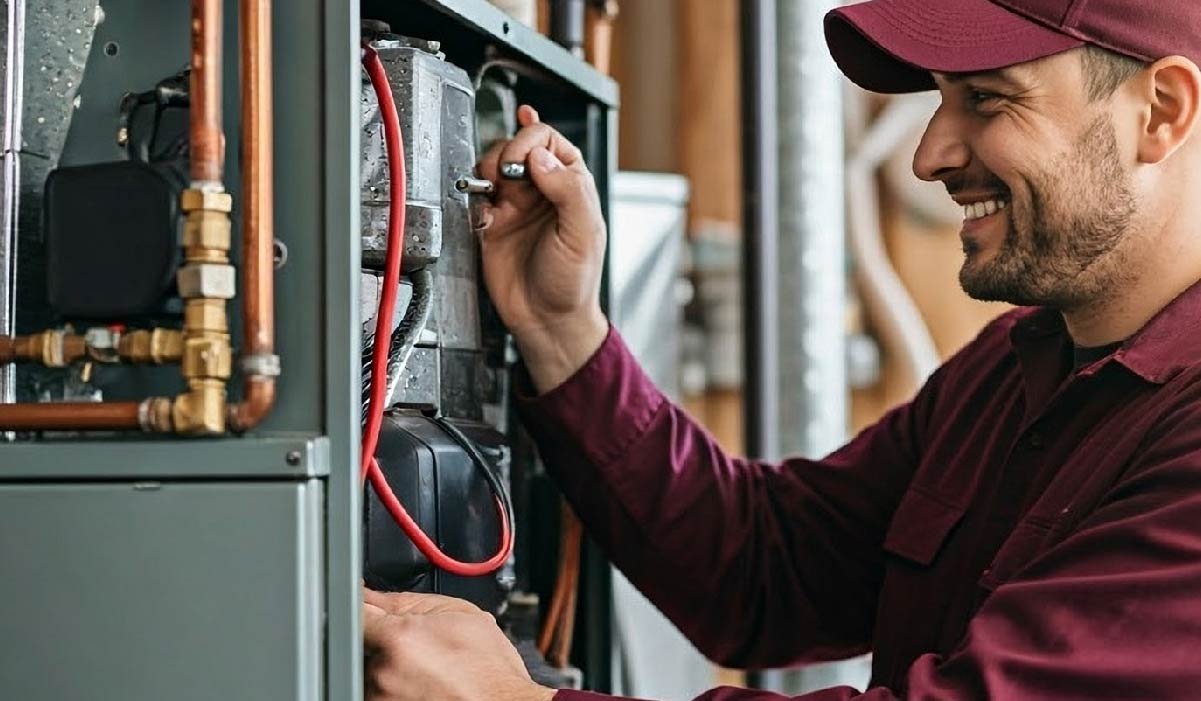
Understanding the Importance of Furnace Maintenance and Repair
A dependable heating system is essential for maintaining a comfortable indoor environment when outdoor temperatures begin to drop. Furnaces provide consistent warmth by distributing heated air throughout a property, helping homeowners maintain comfortable living spaces during colder weather. However, like any mechanical system, a furnace can develop problems because of normal wear, restricted airflow, electrical faults, ignition issues, or neglected maintenance. Professional furnace repair services help identify these problems, restore proper heating performance, and reduce the risk of unexpected breakdowns. When a furnace operates inefficiently, homeowners may notice uneven temperatures, unusual noises, longer heating cycles, or increasing energy bills. Addressing these warning signs early can prevent minor issues from developing into more expensive complications. Regular attention to heating equipment also helps homeowners protect their investment, improve indoor comfort, and prepare their properties for periods when reliable heating becomes especially important.Modern furnaces contain several interconnected components that work together to produce and distribute heat. Depending on the system, these components may include a burner, heat exchanger, ignition system, blower motor, air filter, thermostat, and safety controls. Each component has a specific function, and a fault in one area can affect the performance of the entire system. For example, a malfunctioning ignition system may prevent the furnace from starting, while a clogged filter can restrict airflow and cause overheating or repeated shutdowns. Electrical problems may interrupt normal operation, and damaged mechanical components can create unusual noises or inconsistent heating. Understanding these basic functions helps homeowners recognize the importance of professional diagnosis rather than relying on temporary solutions. A qualified technician can inspect the system, identify the source of the problem, and recommend repairs that support safe, reliable, and efficient heating.
Recognizing Common Furnace Problems
One of the most common signs of a furnace problem is the inability to maintain a consistent indoor temperature. Homeowners may notice that the furnace runs continuously without adequately warming the property or that certain rooms remain colder than others. These symptoms can result from restricted airflow, thermostat problems, ductwork leaks, insufficient heating capacity, or mechanical faults within the equipment. A dirty air filter is another possible cause because it prevents the system from moving enough air through the heating components. When airflow becomes restricted, the furnace may work harder than necessary or activate its safety controls to prevent overheating. Checking an accessible filter and replacing it when needed can resolve some basic airflow concerns, but persistent heating problems should be evaluated by a qualified professional to determine whether additional repairs are necessary.Unusual sounds can also indicate that a furnace requires attention. Rattling may suggest a loose panel or component, while grinding, persistent squealing, or excessive vibration may point to a mechanical problem involving the blower assembly or another moving part. Repeated clicking can sometimes indicate an ignition or electrical issue, although the meaning depends on the furnace design and when the sound occurs. Homeowners should also pay attention to frequent system cycling, unexpected shutdowns, and changes in airflow. These symptoms do not always indicate a major failure, but ignoring them may allow an underlying issue to become more serious. Professional inspection helps determine whether the problem involves a simple adjustment, a worn component, a control malfunction, or a more substantial repair. Early diagnosis can reduce unnecessary operating strain and help restore dependable heating.
Why Professional Diagnosis Is Essential
Accurately diagnosing a furnace problem is important because different faults can produce similar symptoms. A furnace that fails to produce heat, for example, may have a thermostat issue, a failed ignition component, an interrupted power supply, a blocked filter, or a problem with a safety control. Replacing a component without confirming the underlying cause may fail to resolve the issue and create additional expenses. Professional technicians follow systematic diagnostic procedures to inspect the equipment, evaluate its operating conditions, and determine which components require attention. They can also identify related problems that might otherwise remain unnoticed. This approach allows homeowners to receive a repair recommendation based on the actual condition of the system instead of relying on guesswork or unnecessary part replacement.A thorough furnace inspection may involve examining the thermostat, checking airflow, reviewing ignition operation, inspecting electrical connections, and evaluating relevant safety controls. Depending on the equipment and reported symptoms, a technician may also assess the blower motor, burner operation, venting arrangements, and heat exchanger condition. Gas furnaces require particular attention to combustion and exhaust systems because improper operation can create serious safety hazards. Once the inspection is complete, the service provider should explain the findings, outline the recommended work, and provide a clear estimate whenever possible. Homeowners should have an opportunity to ask questions about the repair, expected performance, and any maintenance recommendations. Clear communication helps customers understand the condition of their furnace and make informed decisions about restoring reliable heating.
The Importance of Proper Airflow
Airflow is a critical factor in furnace performance because the system must move air effectively to distribute heat throughout the property. When a filter becomes clogged with dust, lint, and other particles, the blower may struggle to move sufficient air through the equipment. Restricted airflow can reduce heating performance and, in some systems, cause internal temperatures to rise enough to activate a safety shutdown. If the problem continues, the furnace may experience unnecessary strain and repeated interruptions during operation. Homeowners should inspect accessible filters regularly and replace them according to the manufacturer’s instructions. Choosing a filter that matches the furnace specifications is equally important because an unsuitable filter can restrict airflow even when it is relatively clean.Airflow problems may also originate in the home’s ductwork or ventilation layout. Blocked supply registers, obstructed return vents, damaged ducts, and disconnected sections can prevent heated air from reaching the intended rooms. These issues may cause some spaces to remain cold while the furnace continues operating. A technician can inspect accessible ductwork, evaluate airflow distribution, and determine whether repairs or adjustments are needed. Homeowners should avoid closing numerous supply vents in an attempt to force more heat into particular rooms because this may disrupt the system’s intended airflow balance. Correcting the actual source of restricted airflow helps the furnace operate under more appropriate conditions and can improve temperature consistency throughout the property. Maintaining clear vents and replacing filters are simple practices that complement professional service.
Addressing Ignition and Starting Problems
A furnace that fails to start or repeatedly shuts down may have a problem with its ignition system, thermostat, power supply, or safety controls. Modern gas furnaces may use electronic ignition systems, while some older models use a standing pilot light. The specific diagnostic procedure depends on the furnace design, and homeowners should consult the manufacturer’s instructions for any basic checks that can be performed safely. If the thermostat is set correctly but the furnace still does not start, the issue may require professional evaluation. Repeatedly attempting to restart a malfunctioning furnace without understanding the cause can make diagnosis more difficult and may expose the equipment to additional operating problems.Ignition-related faults can involve worn components, electrical problems, control board malfunctions, or issues affecting the gas supply. A technician can inspect the relevant parts, test the system according to appropriate procedures, and determine whether a component needs adjustment or replacement. Homeowners should never bypass safety switches, tamper with gas connections, or attempt to repair ignition components without suitable qualifications. If a gas odor is detected, occupants should leave the property, avoid operating electrical switches or creating flames, and contact the appropriate emergency gas service from a safe location. Addressing ignition problems professionally helps restore dependable heating while ensuring that essential safety systems remain functional. Proper diagnosis is especially important when a furnace repeatedly fails to ignite or shuts down shortly after starting.
Improving Furnace Energy Efficiency
An inefficient furnace may consume more energy than necessary while providing less comfort than homeowners expect. Restricted airflow, neglected maintenance, faulty controls, worn components, and heat loss through the building envelope can all contribute to inefficient operation. When the system struggles to reach the thermostat setting, it may run for extended periods or cycle repeatedly, increasing energy use without delivering satisfactory heating. Professional inspection can help identify the factors affecting performance and determine which repairs are likely to provide meaningful improvements. Although repairing a malfunctioning component may improve efficiency, actual savings depend on the nature of the problem, the furnace’s age and condition, household usage, and the property’s insulation and ventilation characteristics.Homeowners can support efficient heating by maintaining appropriate thermostat settings, replacing filters regularly, and addressing air leaks around windows and doors. Improving insulation where needed can also reduce the amount of heat escaping from the property, allowing the furnace to maintain comfortable temperatures with less operating demand. Keeping supply and return vents unobstructed helps the system distribute heated air more effectively, while scheduled maintenance can identify performance issues before they become severe. Programmable thermostats may provide additional convenience by adjusting temperatures according to household routines, provided they are compatible with the equipment. These measures work best when combined with a properly functioning furnace. If heating bills rise unexpectedly or the system runs longer than usual, a professional assessment can help determine whether equipment repairs or home efficiency improvements are needed.
Preventing Unexpected Furnace Breakdowns
Preventive maintenance is an important part of keeping heating equipment reliable throughout the colder season. Over time, furnaces experience normal wear, filters collect debris, and components may require cleaning or inspection. If maintenance is neglected, minor issues can develop into performance problems that interrupt heating when the system is needed most. Scheduling professional service before periods of heavy use allows technicians to evaluate the furnace’s condition, inspect relevant components, and identify developing concerns. Although maintenance cannot prevent every breakdown, it can reduce avoidable problems and help homeowners understand whether the system requires repairs or additional attention.A practical maintenance routine should combine simple homeowner tasks with professional inspections. Homeowners can replace accessible filters according to the manufacturer’s recommendations, keep the area around the furnace clear, and pay attention to unusual sounds, odors, or changes in heating performance. Equipment access panels should remain properly installed, and required clearances around the furnace should be maintained. Professional maintenance may include checking electrical connections, evaluating blower operation, inspecting combustion and venting components where applicable, and testing safety controls. The exact service requirements depend on the furnace model and manufacturer instructions. Keeping records of service visits and repairs can also help technicians identify recurring problems and determine whether aging components are approaching the end of their useful service life.
Understanding Heat Exchanger and Venting Concerns
The heat exchanger is an important furnace component because it transfers heat while keeping combustion gases separate from the air circulated through the home in a properly functioning system. Damage, deterioration, or cracks in a heat exchanger can create serious safety concerns, depending on the equipment design and the nature of the defect. Warning signs may include unusual furnace operation, visible deterioration, or repeated safety shutdowns, but these symptoms alone cannot confirm a heat exchanger problem. A qualified technician must perform the appropriate inspection and testing to determine the component’s condition. If a serious defect is identified, the technician can explain the available repair or replacement options and whether the furnace should remain out of service until the issue is resolved.Venting systems also deserve careful attention because they help direct combustion byproducts safely outside the property. Blockages, damaged vent pipes, disconnected sections, or improper installation can interfere with safe furnace operation. These issues may be difficult for homeowners to identify without specialized knowledge, which makes professional inspection especially important. Carbon monoxide is an odorless, potentially fatal gas, so households with fuel-burning heating equipment should maintain functioning carbon monoxide alarms according to the manufacturer’s instructions and applicable safety recommendations. If a carbon monoxide alarm sounds or occupants experience symptoms that could indicate exposure, everyone should leave the building immediately and contact emergency services from a safe location. Proper furnace inspection, appropriate venting, and functioning alarms are essential elements of responsible heating system care.
Repairing Furnace Blower and Motor Problems
The blower assembly helps move air through the furnace and distribute heated air throughout the home’s ductwork. If the blower motor malfunctions, the system may produce insufficient airflow, make unusual noises, or fail to distribute heat effectively. In some cases, the furnace may generate heat but struggle to deliver it to different rooms. Problems can involve motor wear, electrical components, obstructions, or controls that regulate blower operation. Because these issues may produce similar symptoms, a technician should inspect the system before recommending a repair. Operating a furnace with a significant airflow problem can place additional strain on the equipment and may cause safety controls to interrupt operation.Professional blower service may involve inspecting the motor, checking relevant electrical components, evaluating airflow, and determining whether cleaning, adjustment, or replacement is necessary. A worn motor may need replacement if repair is not practical, while other problems may be resolved by correcting an electrical fault or removing an obstruction. Homeowners should avoid attempting to lubricate sealed components or disassemble the blower unless the manufacturer specifically permits the task and it can be performed safely. Once the repair is completed, the technician should verify that the blower operates correctly and that the furnace distributes heated air as intended. Addressing blower problems promptly can improve comfort, reduce unnecessary strain, and support more consistent heating performance.
Deciding Whether to Repair or Replace a Furnace
Deciding between repairing an existing furnace and replacing it with a newer model requires an assessment of its condition, age, efficiency, maintenance history, and repair costs. A relatively minor fault may justify repair when the furnace has been maintained properly and continues to meet the household’s heating requirements. However, repeated breakdowns, increasingly expensive repairs, declining performance, and difficulty maintaining comfortable temperatures may indicate that replacement deserves consideration. Homeowners should compare the immediate cost of repairs with the expected expenses of continued operation. They should also consider whether the equipment remains reliable, whether replacement parts are readily available, and whether an upgrade could offer meaningful improvements in energy efficiency or comfort.A professional evaluation can help homeowners compare their options without committing prematurely to a major purchase. If replacement is recommended, the contractor should assess the property’s heating requirements and existing ductwork rather than simply selecting a new furnace based on the old unit’s capacity. Changes in insulation, windows, room layout, or household needs may affect the appropriate equipment size. Homeowners should request information about installation costs, efficiency ratings, warranty coverage, maintenance requirements, and expected operating expenses. Replacing a furnace that remains in good condition may be unnecessary, while repeatedly repairing equipment with serious deterioration may not represent the best long-term investment. Reviewing the available information helps homeowners choose an approach that balances comfort, reliability, safety, and cost.
Choosing a Reliable Furnace Repair Provider
Choosing a dependable heating contractor is essential for receiving effective furnace service. Homeowners should look for professionals who have appropriate qualifications, understand the equipment involved, communicate clearly, and provide transparent estimates. Experience with the specific furnace type can be particularly valuable because gas furnaces, electric furnaces, and other heating technologies have different operating requirements and safety considerations. Before approving a repair, homeowners should ask what caused the problem, which components require attention, what the work will involve, and whether any warranty applies. A trustworthy service provider should explain the diagnosis in understandable terms and distinguish between necessary repairs and optional improvements.Quality service also requires attention to the furnace’s overall condition rather than focusing exclusively on the first visible fault. A technician who investigates related airflow, control, or safety issues may identify factors contributing to repeated breakdowns. Written estimates and service records help homeowners understand the work completed and keep track of maintenance recommendations. It is also helpful to ask whether the repaired system will be tested before the service visit is completed. A dependable contractor should verify the equipment’s operation, explain any remaining concerns, and provide practical advice for maintaining performance. Building a relationship with a qualified provider can make future inspections easier and help homeowners respond confidently when heating problems arise.
Conclusion
A properly functioning furnace is essential for maintaining a warm, comfortable, and safe indoor environment during colder weather. Recognizing warning signs such as insufficient heat, unusual noises, repeated shutdowns, restricted airflow, and unexpected increases in energy consumption allows homeowners to address problems before they become more disruptive. Professional inspections help identify the underlying causes of these symptoms and ensure that repairs are based on the actual condition of the equipment. Routine filter replacement, seasonal maintenance, clear airflow pathways, and appropriate thermostat settings also contribute to reliable heating and can reduce avoidable operating strain.Investing in professional furnace repair helps homeowners restore heating performance, protect important components, and make informed decisions about ongoing maintenance. When a system develops recurring faults or reaches a stage where repairs are no longer practical, a qualified technician can explain whether replacement deserves consideration. Choosing an experienced service provider is equally important because proper diagnosis, safe repair procedures, and clear communication support better long-term outcomes. By combining preventive maintenance with timely professional attention, homeowners can protect their heating equipment, improve indoor comfort, and maintain dependable furnace operation throughout the heating season.
