

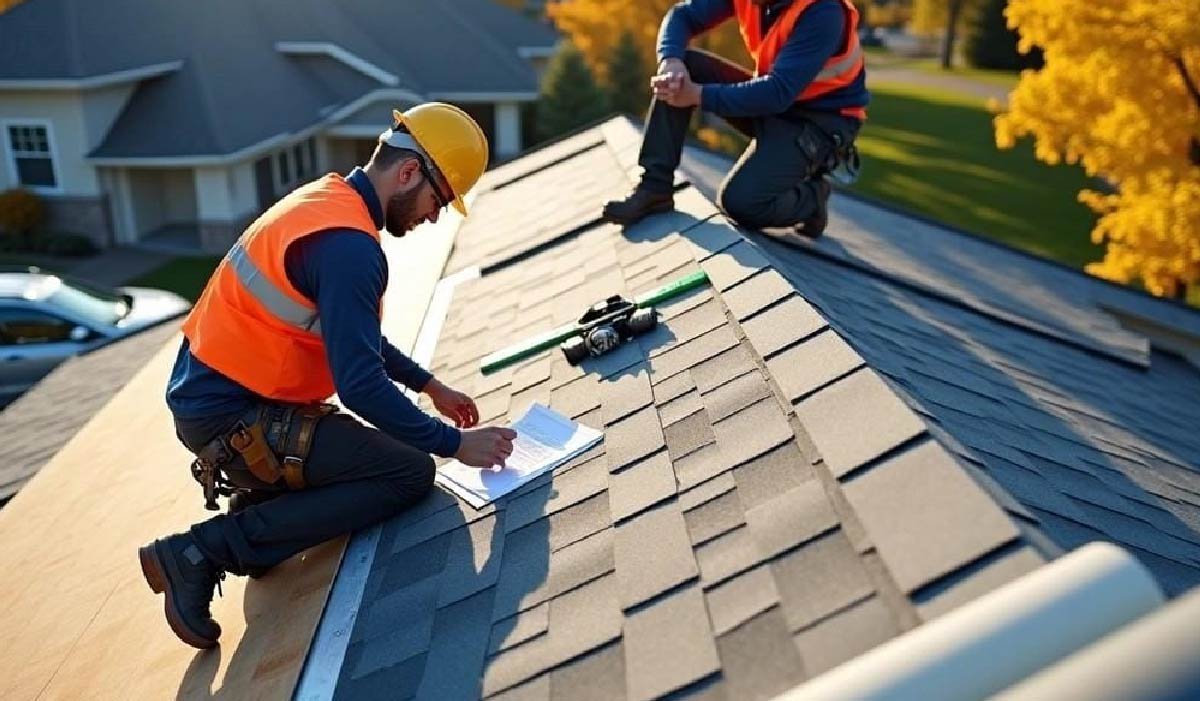
A strong, dependable roof is essential for protecting a home from rain, wind, sunlight, moisture, and changing temperatures. When roofing materials begin to deteriorate, even small defects can eventually lead to leaks, damaged insulation, and costly structural repairs. Professional roofers help homeowners maintain the condition of their roofing systems by identifying problems, recommending suitable materials, and completing repairs or replacements according to established installation practices. Their work involves more than installing shingles because a reliable roof depends on underlayment, flashing, ventilation, drainage, and the condition of the underlying roof deck. Homeowners who understand the importance of professional roofing services can make better decisions about maintaining their properties and planning future improvements. Whether a roof needs a minor repair, a complete replacement, or a thorough inspection, choosing experienced professionals can help protect the building, improve exterior appearance, and support dependable performance over the long term.
Understanding Roofing Services
Professional roofers provide several services designed to maintain the safety, functionality, and appearance of residential roofing systems. These services may include roof inspections, shingle replacement, leak detection, storm damage repairs, flashing installation, ventilation improvements, and complete roof replacement. The appropriate service depends on the age of the roof, the materials used, the extent of visible damage, and the condition of the underlying structure. A roof with a few missing shingles may only require a localized repair, while widespread deterioration or repeated leaks may indicate that replacement deserves consideration. Experienced contractors evaluate the entire roofing system instead of focusing exclusively on the most noticeable problem. This comprehensive approach helps identify hidden weaknesses and determine whether additional components need attention. Homeowners should discuss their concerns, request a clear explanation of the recommended work, and understand the expected results before approving a project. Knowing which services are available makes it easier to maintain a roof and avoid unnecessary expenses.
Recognizing Roof Damage
Roof damage can develop gradually or occur suddenly following strong winds, heavy rainfall, falling branches, or other damaging events. Missing shingles, curling edges, cracked surfaces, loose flashing, and excessive granules collecting in gutters can indicate that a roofing system needs professional attention. Interior warning signs may include water stains on ceilings, peeling paint, damp insulation, or unexplained moisture near exterior walls. Experienced roofers can inspect the visible roofing materials and investigate possible sources of water intrusion before recommending an appropriate repair. Homeowners should remember that the location of an interior stain does not always reveal the exact location of a roof leak because water can travel along structural components before becoming visible. Delaying an inspection may allow moisture to damage decking, framing, insulation, and interior finishes. Rather than climbing onto a potentially unsafe roof, property owners should arrange a professional assessment when warning signs appear. Early identification helps clarify the extent of the problem and allows repairs to be planned before additional damage develops.
Choosing Quality Roofing Materials
The quality of roofing materials has a direct influence on the durability, appearance, and maintenance requirements of a completed project. Asphalt shingles remain a popular option because they offer a variety of colors, profiles, and price points, while metal roofing may appeal to homeowners seeking different durability and maintenance characteristics. Other materials, including tile and composite products, have their own installation requirements and performance considerations. Professional roofers can explain how different materials compare in terms of weight, expected service life, weather resistance, appearance, and compatibility with the property’s structure. Homeowners should also consider underlayment, starter strips, ridge caps, flashing, and other accessories that contribute to the performance of the complete roof. Selecting materials based only on initial price can overlook important differences in product quality and installation requirements. It is useful to review manufacturer specifications and warranty conditions before making a final decision. A carefully selected roofing system can complement the home’s exterior while providing reliable protection when installed and maintained correctly.
The Importance of Proper Installation
Correct installation is one of the most important factors affecting the performance of a roofing system. Even high-quality shingles can fail prematurely when they are incorrectly fastened, improperly aligned, or installed over an unsuitable surface. Professional roofers prepare the roof deck, apply the appropriate underlayment, install starter materials, position shingles according to manufacturer instructions, and pay close attention to vulnerable areas around roof edges and penetrations. Fastener placement and quantity must meet the requirements of the selected roofing product, while flashing should be integrated correctly around chimneys, vents, skylights, and roof intersections. Poor workmanship in these areas can create openings through which water may enter the structure. Homeowners should ask contractors about their installation procedures and confirm which materials are included in the project estimate. Proper installation also involves observing applicable building requirements and following the product manufacturer’s recommendations. A careful, organized process helps reduce preventable defects, supports consistent performance, and protects the homeowner’s investment in a new roof.
Preventing Roof Leaks
Roof leaks can cause damage far beyond the visible area where water enters the home. Moisture may spread through insulation, ceiling materials, wooden framing, and wall cavities, potentially leading to extensive repairs if the problem remains unresolved. Common causes include damaged shingles, deteriorated flashing, exposed fasteners, clogged drainage paths, and improperly sealed roof penetrations. Experienced roofers investigate the source of a leak before beginning repairs because covering a stain without correcting the underlying defect rarely provides a dependable solution. A proper assessment may include checking the roof surface, valleys, flashing, gutters, and accessible attic areas for signs of moisture or deterioration. Homeowners should arrange prompt professional attention when water appears indoors, particularly if the leak occurs near electrical fixtures or affects a large area. If water is actively entering the building, protecting belongings and avoiding unsafe areas should take priority. Addressing leaks quickly helps limit further damage and allows the roofing system to be restored before the problem becomes more extensive.
Improving Roof Ventilation
Ventilation is an important part of maintaining a healthy and durable roofing system. Appropriate attic airflow helps manage heat and moisture that can accumulate beneath the roof, especially when insulation, ventilation openings, or air sealing are inadequate. Excessive moisture can contribute to condensation, damp insulation, and deterioration of wooden components, while high attic temperatures may affect indoor comfort and increase cooling demands. Professional roofers can evaluate existing ventilation and determine whether intake and exhaust openings are appropriately designed for the building. The solution may involve clearing blocked vents, improving airflow pathways, or adjusting the ventilation arrangement according to the roof structure and applicable recommendations. Simply adding vents without evaluating the entire system may not resolve the underlying issue. Homeowners should also avoid allowing insulation to block intended airflow routes near the eaves. Considering ventilation during roof repairs or replacement provides an opportunity to address problems that may otherwise remain hidden. A balanced roofing system helps support the condition of the roof assembly and can contribute to more consistent indoor comfort.
Maintaining Gutters and Drainage
Gutters and downspouts help direct rainwater away from the roof edge, exterior walls, and foundation. When these components become clogged with leaves, shingle granules, dirt, or other debris, water may overflow and collect near fascia boards or siding. Over time, poor drainage can contribute to wood deterioration, staining, moisture intrusion, and other avoidable maintenance problems. Professional roofers can assess how the roof and gutter system work together and identify issues involving damaged drip edges, loose gutter connections, or ineffective drainage paths. Homeowners should arrange regular gutter cleaning and inspect visible components for sagging, corrosion, or separation from the building. Downspouts should discharge water away from the foundation in a manner appropriate for the property. During roof replacement, evaluating the condition of the gutters, fascia, and drip edge can help ensure that the completed system manages water effectively. Maintaining these connected components reduces unnecessary moisture exposure and supports the overall performance of the home’s exterior envelope.
Repairing or Replacing a Roof
Deciding whether to repair or replace a roof requires an assessment of its overall condition rather than a decision based on one damaged area. A relatively new roof with isolated shingle damage may be suitable for repair, while an older system with widespread deterioration, recurring leaks, or significant decking problems may require replacement. Experienced roofers can evaluate the extent of the damage, the condition of the existing materials, the availability of matching shingles, and the likelihood that additional problems will develop. Homeowners should consider the cost of immediate repairs alongside the expected maintenance needs of the existing roof. Repeatedly repairing different sections may eventually become less practical than investing in a new roofing system, but age alone does not automatically mean replacement is necessary. A reliable contractor should explain the advantages and limitations of each option and provide a clear estimate. Understanding the condition of the roof helps property owners make a financially sensible decision that balances immediate affordability with long-term protection and reliability.
Handling Storm Damage
Severe weather can damage roofing materials in ways that are not always obvious from the ground. Strong winds may lift shingles or loosen flashing, while falling branches can puncture the roof surface and damage the underlying structure. Heavy rainfall may reveal existing weaknesses that were previously difficult to detect. Professional roofers can inspect the property after a storm, document visible damage, and recommend appropriate repairs based on the condition of the roofing system. Homeowners should avoid walking on wet or damaged surfaces because they may be slippery or structurally unsafe. If a storm creates an active leak, temporary protective measures may be appropriate when they can be carried out safely, but permanent repairs should be completed by qualified professionals. Property owners may also need photographs, inspection records, and detailed estimates when discussing storm-related damage with their insurance provider. Prompt evaluation helps distinguish cosmetic issues from defects that affect the roof’s protective function and reduces the risk of additional deterioration.
Selecting a Reliable Roofing Contractor
Choosing the right contractor can make a substantial difference in the quality and longevity of roofing work. Homeowners should look for relevant experience, appropriate licensing where required, proof of insurance, clear communication, and written project documentation. Professional roofers should be willing to explain the proposed work, identify the materials being used, discuss expected timelines, and clarify warranty coverage before beginning the project. It is sensible to compare multiple estimates, but the lowest quote should not automatically be considered the best value. An unusually low price may exclude important work such as underlayment replacement, flashing repairs, disposal, or inspection of damaged decking. Homeowners should ask how unexpected issues will be handled and whether additional work will require approval before extra charges are incurred. Reviewing previous projects and customer feedback can also help assess a contractor’s reliability. A detailed agreement reduces misunderstandings and establishes clear expectations about materials, workmanship, payment schedules, cleanup, and completion requirements.
Understanding Roofing Project Costs
Roofing costs vary according to roof size, slope, material selection, accessibility, labor requirements, and the condition of the existing structure. A simple roof design may require less labor than a roof with numerous valleys, dormers, skylights, and complex intersections. Additional expenses can arise when old materials must be removed, damaged decking needs replacement, or ventilation and flashing require upgrades. Experienced roofers can prepare an estimate that explains the scope of work and identifies the major cost factors involved in the project. Homeowners should request written details covering materials, labor, debris disposal, protective measures, and any anticipated additional charges. It is also important to understand the payment schedule and how unexpected structural problems will be documented and approved. Comparing itemized estimates makes it easier to evaluate what each contractor is offering instead of focusing exclusively on the total price. A realistic budget should account for the essential components of the roofing system, since reducing costs by omitting necessary work may lead to more expensive problems later.
Coordinating Exterior Improvements
Roofing work often creates an opportunity to assess other exterior components that contribute to a property’s protection and appearance. Siding, windows, gutters, fascia, soffits, and exterior trim all interact with the roof to help manage moisture and maintain the building envelope. Damaged fascia can weaken gutter support, while deteriorated siding or poorly sealed windows may allow moisture to enter wall assemblies. Professional roofers can identify visible concerns around roof edges and explain when related exterior work may be worth considering. Coordinating projects can sometimes reduce repeated disruption and make it easier to complete connected repairs in an appropriate sequence. For example, replacing gutters during a roof project may provide an opportunity to inspect drip edges and fascia, while siding improvements may require attention to flashing near roof intersections. However, homeowners do not necessarily need to replace every exterior component at the same time. A practical plan prioritizes the property’s actual condition, immediate risks, available budget, and the technical requirements of each improvement.
Extending the Life of a Roof
Regular inspections and routine maintenance can help property owners identify developing problems before they require extensive repairs. Roofing materials should be checked for missing shingles, damaged flashing, loose components, and signs of moisture intrusion. Gutters and downspouts should remain clear, and overhanging branches may need trimming to reduce the risk of impact damage and debris accumulation. Professional roofers can recommend an inspection schedule based on the roof’s age, material type, previous repairs, and exposure to severe weather. Homeowners should avoid pressure washing shingles or using harsh cleaning methods that may damage the protective surface. Any work involving steep slopes or elevated roof areas should be left to qualified professionals with suitable safety equipment. Keeping records of inspections, repairs, and material specifications also helps track the roof’s condition over time. Although routine maintenance cannot prevent every form of damage, it can reveal warning signs early and help homeowners plan necessary work before minor issues become more expensive problems.
Conclusion
A dependable roof protects the home from weather, helps preserve the underlying structure, and contributes to the property’s appearance and value. Achieving reliable performance requires suitable materials, correct installation, effective ventilation, proper drainage, and timely maintenance. Experienced roofers can inspect roofing systems, identify problems, recommend appropriate repairs, and complete replacement projects with attention to the details that influence long-term durability. Homeowners can support better results by recognizing warning signs early, comparing written estimates, selecting qualified contractors, and maintaining connected exterior components such as gutters and flashing. Planning roofing work carefully also helps property owners manage costs and avoid preventable complications. Whether a roof needs a small repair or a complete upgrade, informed decisions and professional workmanship provide a practical foundation for protecting the home and maintaining a reliable roofing system for years to come.
