

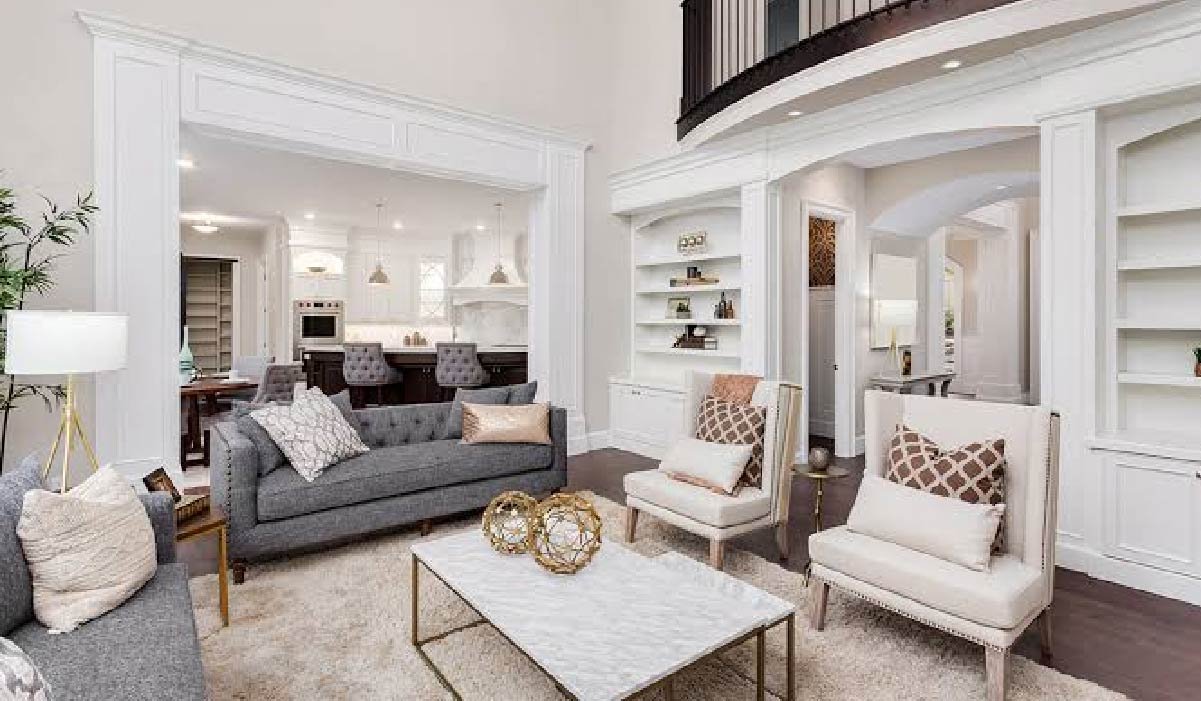
Interior design is an essential part of creating a home or commercial environment that looks attractive while supporting everyday comfort, functionality, and efficiency. A thoughtfully designed interior brings together colors, furniture, lighting, textures, storage solutions, and architectural details to create a balanced atmosphere that reflects the needs and preferences of the people using the space. Whether someone is updating a single room, renovating an entire home, or planning a new commercial environment, careful design decisions can improve how the space looks and performs. Effective interior design goes beyond selecting attractive furniture or choosing fashionable colors; it considers how people move through a room, how natural and artificial light affect the atmosphere, and how every element contributes to the overall experience. When these details are planned together, a property can become more inviting, organized, practical, and visually appealing without sacrificing everyday usability.
Understanding the Purpose of a Well-Designed Interior
A successful interior begins with understanding the purpose of the space and the people who will use it. A living room, for example, may need comfortable seating for family gatherings, open pathways for movement, and flexible arrangements for entertaining guests. A bedroom should encourage relaxation through suitable lighting, calming colors, comfortable furnishings, and effective storage. Kitchens require a practical layout that supports cooking, cleaning, and organization, while home offices benefit from appropriate lighting, ergonomic furniture, and minimal distractions. Professional interior design takes these different requirements into account before making decorative choices, helping ensure that the finished environment serves a clear purpose. By evaluating room dimensions, existing architectural features, household routines, and long-term priorities, designers can create solutions that make better use of available space while maintaining a cohesive visual identity throughout the property.
Choosing Colors That Establish the Right Atmosphere
Color has a significant influence on the appearance and atmosphere of an interior. Light shades can make smaller rooms feel more open, while deeper colors may introduce warmth, contrast, and visual depth when used thoughtfully. Neutral palettes often provide flexibility because they work well with different furniture styles and decorative accessories, whereas carefully selected accent colors can introduce personality without overwhelming the room. The amount of natural light, the direction windows face, and the existing flooring and furnishings should all influence color selection. A shade that looks bright in a showroom may appear different under warm evening lighting or in a room with limited sunlight. A considered interior design plan evaluates these factors before finalizing paint colors, wall treatments, and fabric selections. Testing samples in the actual room and viewing them at different times of day can help prevent expensive mistakes and ensure that the finished palette feels harmonious, comfortable, and appropriate for the intended use of the space.
Improving Layout and Making Better Use of Available Space
An attractive room can still feel uncomfortable if its layout makes movement difficult or leaves important activities without enough space. Furniture placement should support natural circulation, maintain convenient access to doors and windows, and provide sufficient room for everyday tasks. In smaller homes, multifunctional furniture, vertical storage, built-in shelving, and carefully positioned mirrors can help create a more spacious impression without requiring structural expansion. Larger rooms may benefit from clearly defined functional zones that organize activities while preserving an open and balanced appearance. For example, a combined living and dining area can use rugs, lighting, and furniture arrangements to distinguish the two functions without building unnecessary walls. Thoughtful interior design considers both the visible arrangement and the practical dimensions of the room, ensuring that furniture fits comfortably and that essential pathways remain unobstructed. This approach can make even modest spaces feel more efficient, organized, and welcoming.
Selecting Furniture That Combines Comfort and Style
Furniture plays a central role in determining how a room looks, feels, and functions. The best choices are not necessarily the most expensive or fashionable items but those that suit the room’s dimensions, support the intended activities, and complement the overall design direction. Sofas should provide adequate seating without dominating the living area, dining tables should accommodate regular household needs, and bedroom furniture should allow comfortable movement around beds and wardrobes. Material durability is also important, especially in homes with children, pets, or frequent visitors. Upholstery, wood finishes, metal details, and other surfaces should be selected according to their maintenance requirements and expected use. A carefully coordinated interior design scheme balances furniture proportions, textures, colors, and practical features to establish a consistent appearance across the room. Measuring spaces before purchasing furniture, considering storage needs, and prioritizing comfort can help homeowners avoid unsuitable purchases and create interiors that remain useful long after current trends have changed.
Using Lighting to Enhance Functionality and Mood
Lighting can transform the same room from a bright, productive environment during the day into a warm and relaxing space in the evening. Natural light should be considered early in the planning process because window placement, curtain choices, furniture arrangements, and reflective surfaces all influence how daylight enters and travels through a room. Artificial lighting generally works best when several types are combined. Ambient lighting provides overall illumination, task lighting supports activities such as reading or cooking, and accent lighting highlights artwork, architectural features, or decorative objects. Dimmers and adjustable fixtures can make rooms more flexible by allowing brightness to change according to the time of day and the activity taking place. Good interior design also considers the color temperature and placement of light sources, helping avoid uncomfortable glare, dark corners, and uneven illumination. By planning lighting alongside furniture and finishes rather than treating it as a final detail, property owners can create spaces that feel more balanced, practical, and inviting.
Incorporating Storage Without Creating Visual Clutter
Storage is one of the most important elements of a comfortable interior because clutter can make even a beautifully decorated room feel crowded and difficult to maintain. Effective storage solutions give everyday belongings a designated place while keeping frequently used items accessible. Built-in wardrobes, kitchen cabinets, drawer organizers, concealed shelving, entryway storage benches, and multifunctional furniture can help maximize available space. The right solution depends on the room’s dimensions, the type of items being stored, and the household’s daily routines. Storage should also be planned with appearance in mind, since poorly positioned shelves or oversized cabinets can interrupt the visual balance of a room. Professional interior design integrates storage into the overall layout so that it supports organization without dominating the space. By identifying storage requirements before purchasing furniture or completing renovations, homeowners can reduce clutter, improve accessibility, and maintain a cleaner environment with less daily effort.
Choosing Materials, Textures, and Finishes
Materials and textures contribute significantly to the character and durability of an interior. Natural wood can introduce warmth, stone can provide a refined and substantial appearance, glass can help a space feel lighter, and metal accents can create definition or contrast. Fabrics also influence the atmosphere, with soft upholstery, woven rugs, and textured curtains adding comfort and visual interest. However, material selection should account for practical considerations such as cleaning requirements, moisture exposure, wear resistance, and the amount of maintenance a surface will need. Kitchens and bathrooms often require materials that can withstand regular cleaning and changing moisture conditions, while high-traffic hallways benefit from durable flooring and finishes. A cohesive interior design plan combines these elements in a deliberate way, preventing the room from feeling visually busy or inconsistent. Repeating selected finishes in different areas can establish continuity, while introducing a small number of contrasting textures helps create depth and personality without overwhelming the overall composition.
Creating a Consistent Design Throughout the Home
A home feels more connected when its rooms share a recognizable design language, even if each space has its own function and personality. This does not mean every room must use identical colors, furniture, or decorations. Instead, consistency can be created through repeating materials, complementary color palettes, similar hardware finishes, coordinated lighting styles, and related architectural details. For example, warm wood tones in a living room can connect naturally with cabinetry in a kitchen, while similar metal finishes can provide continuity across door handles, light fixtures, and bathroom accessories. Transitions between rooms should also be considered so that changes in flooring, wall color, or decorative style feel intentional rather than abrupt. A whole-home interior design strategy establishes a clear foundation before individual rooms are developed, helping each area feel distinctive yet connected to the rest of the property. This coordinated approach is especially useful during major renovations because it can reduce inconsistent purchases, simplify material selection, and produce a more polished final result.
Balancing Personal Taste With Long-Term Practicality
Interior preferences often reflect personal experiences, favorite colors, hobbies, cultural influences, and individual lifestyles. Including these elements can make a home feel meaningful rather than generic, but it is helpful to balance personal expression with flexibility and long-term practicality. Trend-driven colors and decorative accessories can be introduced through relatively easy-to-change items, while permanent features such as flooring, cabinetry, and countertops may benefit from more enduring selections. This strategy allows homeowners to refresh the appearance of a room over time without replacing major components. Personal collections, artwork, family photographs, and distinctive accessories can add character when arranged carefully and given enough visual space. An effective interior design approach does not require following every popular trend; instead, it translates personal preferences into a comfortable and cohesive environment that remains functional as household needs evolve. Considering future changes, such as working from home, welcoming family members, or adjusting storage requirements, can help ensure that design choices continue to provide value over time.
Setting a Realistic Budget and Planning the Project
A clear budget helps guide decisions and reduces the risk of unexpected expenses during an interior improvement project. Before purchasing materials or hiring contractors, homeowners should identify essential requirements, establish priorities, and distinguish between necessary improvements and optional upgrades. Costs may include design services, furniture, lighting, flooring, paint, cabinetry, decorative accessories, labor, delivery, and any structural or electrical work required. It is also sensible to reserve a contingency amount for unforeseen issues, particularly when renovating older properties where hidden damage or outdated systems may be discovered. Obtaining estimates, confirming material availability, and establishing a realistic timeline can help keep the project organized. Professional interior design planning can support this process by coordinating selections and identifying potential conflicts before installation begins. A practical budget does not mean every decision must prioritize the cheapest option; it means allocating resources carefully toward improvements that offer lasting benefits in comfort, appearance, durability, and daily usability.
Working With Professional Design Services
Professional design support can be valuable when a project involves several rooms, complex layouts, extensive material selections, or coordination between different trades. Designers can help interpret a homeowner’s preferences, develop layout concepts, select finishes, plan lighting, and coordinate the visual relationship between individual spaces. Depending on the project, their work may also include drawings, furniture plans, material schedules, and communication with contractors or suppliers. Clear communication is essential: property owners should explain their priorities, budget, preferred styles, maintenance expectations, and any practical challenges that need to be addressed. Reviewing examples of previous work and discussing the scope of services can help establish realistic expectations from the beginning. For homeowners seeking coordinated remodeling and design support, interior design is a resource to explore when considering ways to improve residential spaces. Careful planning and collaboration can help transform broad ideas into a more organized project, reducing uncertainty and supporting a result that reflects both functional needs and personal taste.
Conclusion
A well-planned interior can improve everyday comfort, strengthen organization, and make a property more visually appealing without sacrificing functionality. Successful results come from combining practical layouts, suitable furniture, balanced lighting, coordinated colors, durable materials, and storage solutions that support the way people live. Establishing priorities, creating a realistic budget, and considering long-term needs can also help prevent unnecessary expenses and ensure that each decision contributes to the overall goal. Whether a project involves refreshing a single room or renovating an entire home, thoughtful planning helps create an environment that feels cohesive, welcoming, and adaptable. By approaching interior improvements with a clear understanding of lifestyle requirements and design possibilities, homeowners can create spaces that look attractive today and continue to serve their needs for years to come.
