

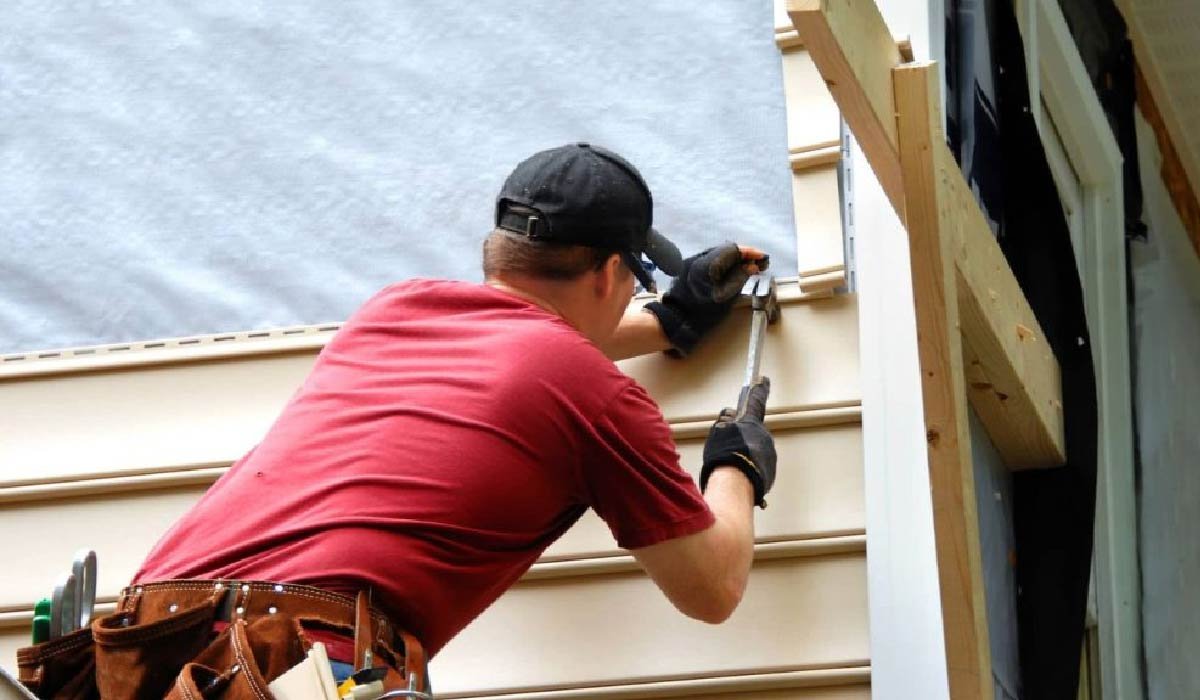
A home’s exterior plays an important role in protecting the structure from moisture, wind, temperature changes, and everyday environmental exposure. Among the various exterior components, siding serves as a protective barrier while contributing significantly to the property’s appearance, energy performance, and long-term durability. Damaged, outdated, or poorly installed siding can allow moisture to reach vulnerable wall materials, create opportunities for pest entry, and reduce the overall effectiveness of the building envelope. Choosing suitable materials and ensuring proper installation can help homeowners prevent these problems while improving the appearance of their properties. Professional siding installation provides an opportunity to upgrade the exterior, address existing concerns, and create a durable finish that complements the home’s architectural design. By understanding material options, preparation requirements, moisture management, and ongoing maintenance, property owners can make informed decisions that support the long-term performance and value of their homes.
Understanding the Importance of Exterior Siding
Exterior siding is one of the primary protective layers surrounding a residential property. It helps shield the underlying wall structure from rain, wind, airborne debris, and other environmental conditions that can contribute to gradual deterioration. Although siding is designed to withstand outdoor exposure, its performance depends on the quality of the materials, the condition of the supporting surfaces, and the accuracy of the installation. Properly installed siding works with weather-resistant barriers, flashing, and other exterior components to help manage moisture and protect the building envelope. When these elements are coordinated effectively, they reduce the likelihood of water reaching sensitive structural materials and help preserve the condition of the walls.In addition to providing protection, siding strongly influences the visual character of a property. Different colors, textures, profiles, and finishes can create a traditional, contemporary, or distinctive architectural appearance. Homeowners can select materials that complement the roof, windows, doors, trim, and landscaping while maintaining a consistent exterior design. Replacing deteriorated siding can make an older home appear better maintained and provide an opportunity to correct visible imperfections that have developed over time. However, appearance should not be the only consideration when choosing an exterior upgrade. The selected product must also be appropriate for the building’s construction, exposure conditions, maintenance requirements, and overall performance expectations.
Recognizing When Existing Siding Needs Replacement
Knowing when siding requires attention can help homeowners prevent minor exterior concerns from becoming more expensive structural problems. Common warning signs include cracked panels, warped boards, loose sections, peeling paint, fading finishes, and visible gaps around joints. These defects can develop because of age, weather exposure, physical impacts, poor installation, or inadequate maintenance. While some issues may be limited to individual sections, widespread deterioration can indicate that the existing materials have reached the end of their useful service life. A professional inspection can help determine whether localized repairs are sufficient or whether replacing larger areas would provide a more reliable long-term solution.Moisture-related symptoms deserve particular attention because water can damage materials hidden behind the exterior finish. Staining, soft wood, bubbling paint, mold-like growth, and persistent dampness may indicate that water is entering through damaged siding, defective flashing, or poorly sealed openings. Homeowners may also notice unusual odors indoors or deterioration around window frames and exterior doors. These signs do not always confirm that siding is responsible, but they indicate the need to investigate the source of the moisture. Installing new siding without correcting existing leaks or repairing damaged wall materials can conceal problems rather than resolve them. A thorough assessment before replacement helps ensure that the project addresses the underlying condition of the exterior and provides a dependable foundation for the new materials.
Choosing the Right Siding Material for Your Home
Selecting suitable siding requires balancing appearance, durability, maintenance, installation requirements, and cost. Vinyl siding is a popular option because it is available in many colors and profiles, generally requires limited routine maintenance, and does not need regular painting. It can provide an attractive finish for homeowners seeking a practical exterior upgrade, although product quality and installation methods influence its long-term performance. Vinyl panels must be installed with the appropriate allowances for expansion and contraction, since temperature changes can cause the material to move. Improper fastening or insufficient clearance may lead to buckling, distortion, or gaps that affect appearance and performance.
Fiber cement siding offers another option for homeowners who want a durable material with a range of design possibilities. It can resemble painted wood or other traditional finishes while providing resistance to many common exterior hazards. However, fiber cement products have specific handling, fastening, cutting, and finishing requirements that should be followed carefully. Appropriate protective equipment and dust-control practices are especially important when cutting products that may release respirable silica. Homeowners should also understand the maintenance and repainting requirements associated with the selected product before making a final decision.Wood siding remains appealing for properties where natural texture and traditional architectural details are priorities. It can be stained or painted in various finishes, but it requires appropriate moisture protection and periodic maintenance to help prevent deterioration. Engineered wood products may offer an alternative appearance with different manufacturing characteristics, while metal siding can provide a distinctive finish and durability when suitable materials and coatings are selected. Each product has advantages and limitations, so homeowners should compare the expected service life, repair options, maintenance requirements, and compatibility with the existing structure. A qualified contractor can explain these differences and help identify an option that meets the property’s practical and aesthetic needs.
Preparing the Exterior Before Installation
Proper preparation is essential for achieving a durable siding installation. Before new materials are fitted, the existing exterior should be inspected to identify damaged panels, deteriorated sheathing, moisture intrusion, loose trim, and other concerns that could affect the finished project. Depending on the property’s condition and the chosen installation method, existing siding may need to be removed to provide access to the underlying wall assembly. Removing old materials allows the contractor to evaluate concealed surfaces and determine whether repairs are necessary before the new exterior finish is installed. Skipping this assessment can leave hidden deterioration in place and reduce the reliability of the completed work.
Once damaged materials have been removed, the supporting surfaces should be repaired and prepared according to the requirements of the new siding system. Any compromised sheathing or framing should be addressed, and the wall assembly should be evaluated for appropriate moisture protection. Weather-resistant barriers, flashing, and other protective details help manage water that passes behind the exterior cladding. These components must be installed and integrated correctly around windows, doors, corners, roof-to-wall intersections, and other vulnerable transitions. The goal is not simply to prevent every drop of water from reaching the back of the siding, but to manage moisture safely and provide a suitable drainage path where the system requires one.Careful measurements and layout planning also contribute to a professional finish. Contractors must consider wall dimensions, panel profiles, corner details, trim, and the placement of openings before cutting and securing materials. Planning the layout helps reduce unnecessary waste and creates consistent lines across the exterior. By completing preparation work thoroughly, homeowners can reduce the risk of installation problems and support the long-term performance of their new siding.
The Role of Moisture Management and Weather Protection
Moisture management is one of the most important factors in maintaining a durable exterior wall system. Rainwater can enter behind siding through joints, openings, flashing defects, or areas where materials have been installed incorrectly. Many siding systems are designed to work alongside a weather-resistant barrier and appropriate drainage details rather than acting as the only layer of protection. If water becomes trapped behind the exterior finish, it may affect sheathing, framing, insulation, and interior surfaces. Over time, persistent moisture can contribute to wood deterioration, corrosion of unsuitable fasteners, and conditions that support mold growth.
Proper flashing around windows, doors, utility penetrations, and other openings helps direct water away from vulnerable wall areas. Flashing must be integrated with the weather-resistant barrier in a way that follows the selected system’s installation requirements. Sealants may be appropriate in specific locations, but they should not replace essential flashing or drainage provisions. Different siding materials also require different joint treatments and installation clearances, making it important to follow manufacturer instructions rather than applying a single approach to every exterior product.Homeowners should also consider how roof drainage affects siding performance. Overflowing gutters, leaking downspouts, and roof defects can repeatedly expose exterior walls to excessive water. Even a well-installed siding system may experience problems if these sources of moisture remain unresolved. Coordinating siding improvements with necessary roof and gutter maintenance can help protect the building envelope and reduce the likelihood of recurring damage. A comprehensive approach addresses both the siding and the surrounding components that influence how water moves around the property.
Improving Energy Efficiency and Indoor Comfort
Siding is part of the building envelope, but it does not automatically make a home energy efficient simply because new panels have been installed. Energy performance depends on several connected elements, including insulation, air sealing, windows, doors, ventilation, and the condition of the underlying wall assembly. An exterior renovation can provide an opportunity to assess these elements and identify improvements that may help reduce unwanted heat transfer or air leakage. When the project includes suitable insulation upgrades or repairs to gaps in the wall assembly, the combined improvements may contribute to more consistent indoor temperatures.
Homeowners should understand the difference between siding and insulation because the two serve different purposes. Siding primarily provides an exterior finish and helps protect the wall assembly from weather, while insulation slows heat transfer through the building envelope. Some siding systems can accommodate additional insulation, but the correct approach depends on the wall construction, moisture-control strategy, and applicable building requirements. Adding insulation without considering drainage, vapor movement, and condensation risks can create problems if the wall assembly is not designed appropriately.Air sealing around openings and repairing damaged wall components may also support comfort by reducing drafts and helping heating and cooling systems maintain more consistent conditions. However, ventilation requirements must remain appropriate for the building, and exterior improvements should not unintentionally interfere with necessary airflow. A qualified contractor can help homeowners understand which improvements are appropriate for their property and how siding work can be coordinated with broader energy-efficiency goals.
How Professional Siding Installation Works
A professional project generally begins with an inspection, measurements, and a discussion of the homeowner’s priorities. The contractor evaluates the existing siding, identifies visible defects, reviews the wall layout, and considers the materials best suited to the property. The estimate should explain the expected scope of work, the proposed products, necessary preparation, trim details, and any anticipated repairs to concealed surfaces. Clear planning helps homeowners understand what the project includes and reduces the likelihood of misunderstandings during installation.After the work area has been prepared, the contractor removes the required existing materials and addresses any underlying deterioration. The supporting wall surfaces are then prepared according to the selected system’s requirements, including the installation or repair of appropriate moisture barriers and flashing. Siding panels or boards are measured, cut, positioned, and secured using compatible fasteners and recommended installation methods. Particular care is needed around corners, windows, doors, roof intersections, and utility openings because these locations require accurate detailing to support weather protection and a consistent appearance.The final stage involves checking the installation for alignment, secure fastening, correct clearances, finished edges, and proper treatment of joints and transitions. The contractor should confirm that the siding is installed according to the product specifications and that the surrounding exterior components remain functional. Debris should be removed from the work area, and homeowners should receive guidance on cleaning, maintenance, and any applicable product or workmanship warranties. Professional installation combines technical accuracy with attention to detail, helping ensure that the new exterior looks attractive and performs as intended.
Protecting the Exterior from Pests and Physical Damage
Damaged siding can create openings that allow insects and small animals to enter wall cavities or other protected spaces. Gaps around utility penetrations, loose panels, and deteriorated trim may provide convenient access points, especially when the underlying materials have weakened. Once pests enter concealed areas, they may damage insulation, contaminate materials, or create conditions that require additional repairs. Replacing damaged siding and correctly sealing or detailing appropriate openings can help restore the exterior barrier and reduce opportunities for unwanted entry.The installation process should also account for physical impacts and environmental exposure. Areas near entrances, walkways, outdoor equipment, and frequently used spaces may experience more contact than other sections of the exterior. Choosing a material suited to the property’s use can help reduce the likelihood of repeated damage. However, no siding material is completely resistant to every impact, so homeowners should understand the repair requirements and availability of replacement components before making a decision.Landscaping maintenance can further support siding protection. Shrubs and climbing vegetation should be managed so that they do not trap excessive moisture against the exterior or interfere with necessary inspection and maintenance. Sprinklers should be positioned to avoid repeatedly soaking walls, and soil or mulch should not be allowed to cover siding edges beyond the product’s recommended clearance. These practices help preserve the condition of the exterior and reduce the likelihood of moisture-related deterioration after installation.
Maintaining New Siding for Long-Term Performance
Regular maintenance helps homeowners preserve the appearance and function of their siding. Periodic inspections can identify cracked panels, loose boards, damaged trim, deteriorated sealant, and other concerns before they become more extensive. Inspections are particularly useful after severe weather or when the property has experienced impacts from branches or outdoor equipment. Any suspected water intrusion should be investigated promptly because damage may extend behind the visible exterior surface.Cleaning requirements depend on the selected material and the manufacturer’s recommendations. Many siding products can be maintained with gentle cleaning methods and suitable household equipment, while some finishes require specific products or precautions. High-pressure washing can damage certain surfaces, force water behind panels, or affect paint and protective coatings when used incorrectly. Homeowners should follow the manufacturer’s guidance and avoid abrasive materials or cleaning chemicals that may discolor or weaken the finish. For painted wood and other materials requiring surface treatment, periodic inspection and appropriate refinishing may help preserve protection against moisture.Maintaining nearby roof and drainage components is equally important. Gutters should be kept clear, downspouts should direct water away from the foundation, and damaged flashing or roof coverings should be repaired when necessary. Homeowners should also monitor the condition of window and door trim because these areas often involve transitions between different exterior materials. Consistent maintenance helps protect the investment made in new siding and reduces the chance that problems elsewhere in the exterior system will affect its performance.
Selecting a Reliable Exterior Contractor
Choosing an experienced contractor is an important part of a successful exterior renovation. Homeowners should look for professionals who understand the requirements of the selected siding material, moisture-management principles, flashing details, and the building’s existing construction. A dependable contractor will assess the condition of the property, explain the recommended approach, and identify repairs that may be necessary before installation begins. Recommendations should reflect the actual needs of the home rather than focusing exclusively on appearance or the lowest initial price.Before approving a project, homeowners should request a written estimate that outlines material specifications, labor, preparation, removal of existing siding, potential repair allowances, cleanup, and warranty information. It is also sensible to confirm applicable licensing and insurance requirements and ask for examples of comparable work. Clear communication about the project schedule, access requirements, and responsibilities for unexpected repairs helps establish realistic expectations. Homeowners should understand how concealed damage will be handled if it becomes visible after the existing siding is removed.Property owners looking for professional exterior improvement services can explore siding installation for information about its roofing and exterior services. Coordinating siding work with related exterior maintenance can help address visible deterioration and protect surrounding components. Selecting a contractor who pays attention to preparation, material compatibility, and installation details can make a meaningful difference in the finished result and the long-term performance of the exterior.
Conclusion
Siding plays an important role in protecting a home from environmental exposure while contributing to its appearance, comfort, and long-term maintenance needs. Damaged or outdated materials can create opportunities for moisture intrusion, pest entry, and deterioration of underlying wall components. Selecting suitable products, preparing the supporting surfaces properly, and ensuring accurate installation help homeowners reduce these risks and achieve a durable exterior finish.Professional siding installation should involve a careful assessment of existing conditions, appropriate moisture-management details, correct fastening methods, and attention to vulnerable areas around windows, doors, corners, and roof intersections. Homeowners can further protect their investment through regular inspections, suitable cleaning practices, and timely maintenance of gutters, flashing, and exterior trim. By combining quality materials with professional workmanship and consistent care, property owners can improve curb appeal, support the performance of the building envelope, and maintain an attractive, protective exterior for years to come.
