

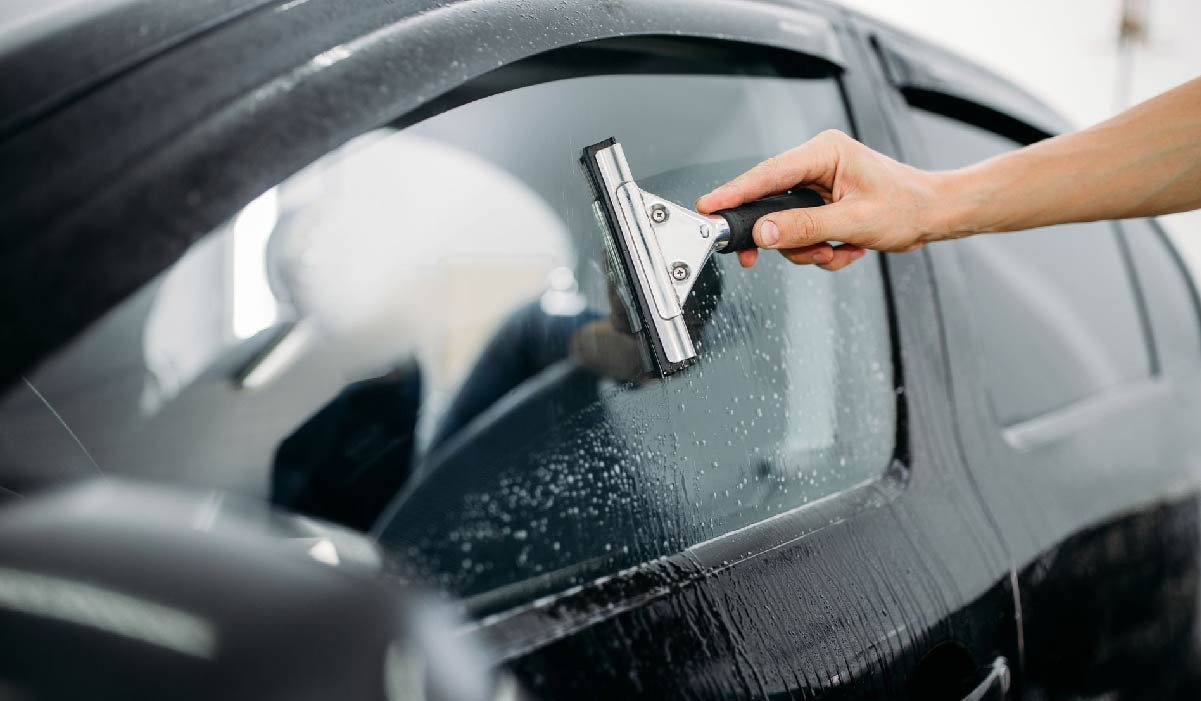
Windows play an important role in the appearance, comfort, and functionality of residential, commercial, and automotive spaces. They allow natural light to enter, provide outdoor visibility, and contribute to the overall design of a property or vehicle. However, untreated glass can also allow excessive sunlight, heat, ultraviolet radiation, and unwanted glare to enter interior spaces. These issues can make rooms uncomfortable, increase cooling requirements, and gradually damage furniture, upholstery, and other interior materials. One effective way to address these concerns is by installing high-quality window films that improve the performance of existing glass without requiring complete window replacement.
Professional window tinting has become an increasingly popular solution for property owners, business managers, and vehicle owners who want to improve comfort while maintaining an attractive appearance. Modern window films are available in different materials, shades, and performance levels, allowing customers to select options according to their specific requirements. Depending on the selected product, window films can help reduce solar heat, minimize glare, block ultraviolet rays, increase privacy, and improve the overall appearance of glass surfaces. Achieving these benefits requires suitable products, accurate measurements, proper surface preparation, and careful installation.
Whether the goal is to create a more comfortable home, improve workplace conditions, protect a vehicle’s interior, or enhance privacy, understanding the available options can help customers make informed decisions. Quality materials and experienced installation professionals are essential for achieving a smooth, attractive, and long-lasting result.
Understanding the Purpose of Window Film Installation
Window film installation involves applying a thin, specially manufactured material to an existing glass surface. These films are designed to control certain properties of sunlight while maintaining the basic functionality of the window. Depending on their construction, they can absorb, reflect, or selectively transmit different portions of solar energy and visible light.
One of the primary purposes of window films is to improve indoor comfort. Direct sunlight can increase indoor temperatures, particularly in rooms with large windows or extensive glass surfaces. Solar control films help reduce the amount of solar energy entering through the glass, which may make indoor environments more comfortable and reduce the workload on cooling systems.
Another important purpose is ultraviolet protection. Prolonged exposure to ultraviolet radiation can contribute to fading and deterioration of furniture, flooring, curtains, vehicle upholstery, and other interior materials. Many quality window films are designed to block up to 99% of UV radiation, although actual performance depends on the product specifications.
Privacy is another reason people choose window films. Certain products make it more difficult for outsiders to see inside during daylight hours, while frosted and decorative films can provide visual separation without completely blocking natural light. The right product depends on whether the priority is privacy, heat management, appearance, or a combination of these benefits.
Major Benefits of Installing Quality Window Films
Modern window films offer several practical advantages that extend beyond changing the appearance of glass. Their performance depends on the technology, construction, and specifications of the selected product, but a suitable installation can provide meaningful improvements in everyday comfort and convenience.
Improved Indoor Temperature Control
Excessive solar heat can make rooms uncomfortable, especially when sunlight enters through large or uncovered windows. Solar control films help reduce the amount of heat transmitted through glass, making indoor spaces more comfortable during warmer periods.
By reducing solar heat gain, certain films can also help air conditioning systems operate more efficiently. When cooling equipment does not need to work as hard to maintain comfortable temperatures, property owners may experience lower energy consumption. Actual savings depend on building design, window orientation, insulation, climate, and the performance of the selected film.
Protection Against Harmful UV Rays
Ultraviolet radiation can affect both people and interior materials. Long-term exposure may contribute to skin damage and can accelerate the fading of furniture, carpets, wooden flooring, and vehicle interiors.
Many modern window films are designed to block a significant percentage of UV radiation while maintaining good visibility. This makes them a practical addition to homes, offices, vehicles, and commercial spaces where people spend considerable time near windows.
Reduced Glare and Better Visibility
Bright sunlight can create uncomfortable glare on television screens, computer monitors, dashboards, and other reflective surfaces. This can make reading, working, driving, and relaxing more difficult.
Anti-glare and solar control films help manage excessive brightness, creating a more comfortable visual environment. In offices, reducing screen glare can improve working conditions, while automotive applications can make daytime driving more comfortable. The film should always be selected with visibility and safety in mind.
Increased Privacy
Privacy films are available in different styles and performance levels. Reflective films can provide daytime privacy by making the exterior glass appear more reflective under suitable lighting conditions. Frosted films create a translucent appearance that limits direct visibility while allowing some natural light to pass through.
It is important to understand that reflective films do not guarantee privacy at night when interior lighting is brighter than outdoor lighting. Customers who require consistent privacy may prefer frosted, opaque, or other purpose-designed solutions.
Better Interior Appearance
Window films can also improve the appearance of buildings and vehicles. A consistent shade can create a clean, coordinated look, while decorative options can introduce attractive patterns, finishes, or visual effects.
For commercial properties, professionally selected films can complement architectural designs and create a more polished exterior appearance. For vehicles, appropriate tint shades can provide a stylish finish while maintaining suitable visibility.
Different Types of Window Films Available
Choosing the right film is an important part of achieving the desired results. Different products are manufactured to provide specific benefits, and understanding their characteristics can help customers select an appropriate solution.
Dyed Window Films
Dyed films use color-based layers to reduce visible light transmission and provide a darker appearance. They are commonly selected for privacy, glare reduction, and aesthetic improvements. These films are generally available at different price levels, making them an option for customers working within a limited budget.
However, dyed films may offer less heat rejection than some advanced alternatives. Lower-quality products can also experience discoloration or fading over time. Customers should review product specifications and warranty information before making a decision.
Ceramic Window Films
Ceramic films use advanced ceramic particles to help manage solar energy without relying on conventional metallic layers. They are designed to provide strong heat rejection and UV protection while maintaining relatively high visibility.
One advantage of ceramic technology is that many products offer effective solar performance without requiring an extremely dark shade. This can be particularly useful for drivers and property owners who want better comfort without significantly reducing natural light.
Ceramic films are often positioned as a premium option because of their technology and performance characteristics. Their suitability depends on the glass type, application, budget, and specific product specifications.
Carbon Window Films
Carbon films use carbon-based materials to provide a consistent appearance and help reduce solar heat transmission. They are generally selected for their color stability, attractive finish, and practical performance.
Compared with basic dyed products, quality carbon films may offer better resistance to fading and discoloration. They are commonly used in automotive applications and may also be suitable for certain architectural installations, depending on the manufacturer’s recommendations.
Metalized Window Films
Metalized films contain microscopic metallic layers that reflect a portion of incoming solar energy. They can provide effective heat control and glare reduction, making them suitable for certain residential and commercial applications.
However, metallic construction can affect wireless signals in some situations, depending on the product and installation. These films may also have a more reflective appearance than other options. Customers should consider these characteristics before selecting a metalized product.
Decorative and Frosted Films
Decorative films are designed to improve privacy and visual appearance. They are available in frosted, patterned, textured, and customized designs that can be used on glass doors, office partitions, bathroom windows, and other interior surfaces.
These products are especially useful when complete visual separation is needed without installing permanent walls or replacing existing glass.
The Importance of Professional Installation
Selecting a high-quality product is only one part of a successful project. The installation process has a significant influence on the final appearance, durability, and performance of window film. Poor installation can lead to air bubbles, visible creases, uneven edges, trapped dust, and premature adhesive failure.
Professional window tinting services focus on achieving a precise fit and smooth finish while protecting the original glass. Experienced installers understand how different film materials behave and how to work with flat, curved, and unusually shaped glass surfaces.
The process generally begins with an assessment of the windows. Installers evaluate the glass condition, dimensions, accessibility, and intended application. They also discuss the customer’s priorities, such as heat rejection, privacy, glare reduction, UV protection, or appearance.
After the assessment, suitable film options are recommended based on the project requirements. Proper product selection is important because not every film is compatible with every type of glass. Factors such as insulated glazing, existing coatings, glass thickness, and solar exposure should be considered to reduce the possibility of thermal stress or other complications.
The glass is then carefully cleaned and prepared before the film is measured, cut, positioned, and applied. Professional tools and installation techniques help remove excess application solutions and reduce the likelihood of imperfections. Once the installation is complete, the technician provides guidance regarding drying time, cleaning, and general maintenance.
Residential Applications and Everyday Comfort
Homes often contain windows that receive direct sunlight for several hours each day. While natural light makes interior spaces attractive, excessive solar exposure can create uncomfortable temperatures and increase cooling requirements.
Residential films provide a practical way to improve window performance without replacing existing glass. Living rooms, bedrooms, kitchens, and sun-facing areas can benefit from suitable solar control products. These films can help reduce heat gain, limit glare, and protect interior furnishings from UV exposure.
Privacy films are also useful in bathrooms, ground-floor rooms, and areas where windows face neighboring properties. Frosted options can provide privacy while allowing natural light to enter, creating a more comfortable and visually appealing environment.
For homeowners, choosing the right film involves balancing performance with appearance. Some prefer nearly transparent films that maintain an unobstructed view, while others prioritize privacy or a more decorative finish. A professional assessment can help determine which option best suits the glass and the intended use of each room.
Commercial and Office Window Film Solutions
Commercial buildings often feature large glass windows and exterior facades that allow significant amounts of sunlight to enter. Although these designs create attractive workspaces, they can also introduce challenges involving heat gain, glare, and indoor comfort.
Solar control films can help improve office environments by reducing excessive sunlight and controlling glare on computer screens. This can make workstations more comfortable and support a better indoor experience for employees and visitors.
Businesses may also benefit from privacy films in meeting rooms, consultation areas, and glass partitions. Frosted or customized decorative products can create visual separation while maintaining an open architectural appearance.
Retail stores, restaurants, educational facilities, and healthcare environments may have different requirements. Some need improved solar performance, while others prioritize privacy, decoration, or glass safety. Selecting the right film requires evaluating the building’s glass surfaces, operating conditions, and functional needs.
For large commercial projects, professional installation planning is particularly important. Measurements, access arrangements, product specifications, and work schedules should be coordinated to minimize disruption to daily operations.
Automotive Applications and Driving Comfort
Vehicle windows allow sunlight to enter the cabin, increasing interior temperatures and exposing passengers and upholstery to solar radiation. During warmer weather, this can make a parked vehicle particularly uncomfortable.
Automotive films help address these issues by reducing solar heat transmission, minimizing glare, and filtering ultraviolet radiation. Certain advanced products can provide substantial heat rejection without requiring very dark glass, helping drivers maintain good visibility.
Another benefit is interior preservation. Continuous exposure to sunlight can contribute to dashboard discoloration, upholstery fading, and deterioration of interior materials. Quality automotive films can help reduce this exposure and maintain the appearance of the vehicle.
Appearance and privacy are also important considerations. Different shades allow vehicle owners to achieve their preferred look, but legal requirements regarding window visibility and permissible tint levels must always be checked before installation. Windshield and front-window restrictions can be particularly important because adequate visibility is essential for safe driving.When selecting a product, drivers should consider heat rejection, UV performance, optical clarity, durability, and manufacturer warranty rather than choosing a film based only on its darkness.
Understanding the Installation Process
A professional installation follows several important stages to achieve a clean and consistent result. Each stage contributes to the quality and performance of the finished application.The first stage is consultation and inspection. The installer reviews the customer’s requirements and evaluates the condition and dimensions of the glass. This helps determine the appropriate film type and identify any compatibility concerns.
The second stage involves selecting and measuring the material. Accurate measurements are necessary to ensure that the film fits the window correctly. Depending on the project, specialized cutting equipment may be used to produce precise shapes and edges.The third stage is glass preparation. Dirt, fingerprints, adhesive residue, and other contaminants must be removed because particles trapped beneath the film can affect its appearance. The glass is cleaned thoroughly before application begins.
Next, the film is positioned using an appropriate application solution and carefully applied to the glass. The installer uses professional tools to remove excess solution and air while ensuring that the material bonds evenly with the surface.Finally, the installation is inspected for alignment, edge quality, and visible imperfections. The customer receives aftercare instructions explaining the recommended curing period and suitable cleaning practices.
Factors That Influence Installation Costs
The cost of a window film project depends on several factors, and there is no single price that applies to every installation. Understanding these variables can help customers compare quotations and choose a solution that offers suitable long-term value.Window dimensions are one of the main considerations. Larger glass surfaces require more material and may involve additional labor, especially when dealing with elevated windows or complicated architectural designs.
Film technology also affects the overall price. Basic dyed films are generally more affordable than advanced ceramic or specialized security products. Decorative, customized, and high-performance films may involve additional material and manufacturing costs.
The complexity of the installation is another factor. Curved automotive windows, unusually shaped glass, difficult access points, and large commercial facades may require additional preparation and specialized equipment.The condition of the existing glass can also influence the work involved. Surfaces containing adhesive residue, damaged coatings, or other imperfections may require additional preparation before installation.
When comparing estimates, customers should consider the quality of the film, installation standards, warranty coverage, and after-sales support rather than focusing entirely on the lowest quotation.
Maintaining Window Films After Installation
Proper maintenance helps preserve the appearance and performance of installed films. Although modern products are designed for durability, incorrect cleaning methods can scratch the surface or damage the edges.
After installation, the film requires a curing period during which the adhesive continues to bond with the glass. Temporary haziness or small water pockets may occur during this process, depending on the product and environmental conditions. Customers should follow the installer’s instructions rather than attempting to remove these signs prematurely.Once the film has cured, cleaning should be performed using a soft microfiber cloth and a suitable non-abrasive cleaning solution. Harsh chemicals, rough sponges, and sharp cleaning tools should be avoided because they may damage the film.
Automotive films should also be cleaned carefully, particularly around window edges and moving glass sections. Rolling windows down before the recommended curing period has passed may interfere with proper bonding.Routine inspection can help identify peeling edges, scratches, discoloration, or other signs of deterioration. Addressing minor issues promptly may prevent further damage and help maintain a clean appearance.
How to Select a Reliable Installation Company
Choosing the right installer is just as important as selecting the appropriate film. An experienced company should understand different film technologies, glass compatibility, application methods, and the requirements of residential, commercial, and automotive projects.
Before hiring a service provider, customers should review its previous work and ask about the brands and product specifications it offers. A reputable installer should be able to explain the differences between available products and recommend an option based on the customer’s actual requirements.
Warranty information should also be reviewed carefully. Customers should understand what the manufacturer’s warranty covers, how long it remains valid, and whether installation-related defects are included. Written documentation provides greater clarity and helps avoid misunderstandings later.
Another important consideration is the installation process itself. Professional technicians should use appropriate cleaning products, cutting tools, and application equipment. They should also explain the expected curing time and provide clear aftercare instructions.A reliable company will prioritize product quality, careful workmanship, and customer satisfaction rather than making unrealistic promises about performance or durability.
Why Quality Materials Make a Difference
The performance of a window film depends heavily on its construction and manufacturing quality. Low-grade products may initially provide an attractive appearance but can develop problems such as bubbling, peeling, discoloration, and reduced performance over time.
Quality films are generally manufactured with carefully controlled layers and adhesives designed for their intended applications. Their specifications may include information about visible light transmission, ultraviolet rejection, infrared performance, total solar energy rejected, and glare reduction.
Customers should understand that these measurements describe different characteristics. For example, visible light transmission indicates how much visible light passes through the combined glass and film, while total solar energy rejection describes how much solar energy is prevented from passing through the glazing system. A darker film does not automatically provide better heat rejection.
Choosing a suitable product based on verified performance information helps ensure that the installation meets practical expectations. Professional guidance can also help prevent compatibility issues and unnecessary expenses.
Conclusion
Window films offer a practical way to improve the comfort, privacy, appearance, and functionality of residential properties, commercial buildings, and vehicles. From reducing solar heat and glare to filtering ultraviolet radiation and enhancing visual privacy, modern products provide several benefits when selected and installed correctly.
Professional window tinting is about more than applying a dark layer to glass. It involves understanding the customer’s requirements, selecting compatible materials, preparing surfaces properly, and using accurate installation techniques. Each of these steps contributes to the overall appearance, performance, and durability of the finished result.
Property owners and vehicle owners should consider factors such as film technology, visibility, heat rejection, warranty coverage, and installation quality before making a decision. Working with experienced professionals helps ensure that the selected product is suitable for the intended application and that the installation meets appropriate standards.
With quality materials, careful workmanship, and proper maintenance, window films can provide lasting improvements while preserving the functionality and appearance of existing glass. Investing in the right solution can make everyday environments more comfortable, attractive, and practical for years to come.
